Phytodesign. The beauty of nature in your interior.

Nature is the best artist and creator. The beauty of flowers and plants inspires poets and painters; we go out into nature to admire the lush crowns of green shrubs and trees, and the variety of colorful flowers. Contemplation of plants brings aesthetic pleasure, fills with delight and joy; in nature, both the eyes and the soul take a break from the stone gray jungle.
Naturally, we strive to decorate our home or workplace with living plants. Plants in the interior combine the natural plant environment with traditional interior decoration.
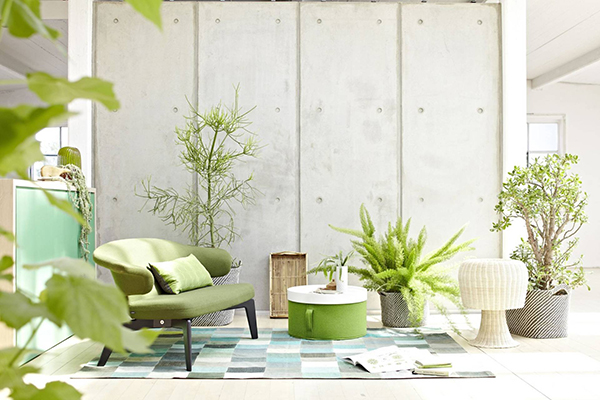
Phyto-interior design aims to blur the boundaries and create a beautiful, seamless space that unites the outside and the inside and creates a natural environment that is pleasant to look at, work and relax.
The word “Phytodesign” consists of two parts: “phyto” - that is, related to plants and “design” - artistic design, improving the aesthetic appearance of objects. Phytodesign of interiors is a harmonious combination of foliage plants and indoor flowers with interior elements, furniture, and the style of the room as a whole.

Beauty is always associated with flowers. And everyone has their own flower - some like lush hydrangeas, others like modest homemade violets, others admire the luxury of orchids. Each plant to some extent reflects the character of its owner, emphasizes its characteristics, brings a special atmosphere and exquisite pleasure.
Since ancient times, our ancestors knew that plants can decorate homes and create a special cozy atmosphere in the house. The Chinese decorated their houses with blooming azaleas, the Romans with laurel trees, and the Egyptians used cyperius (sap) for this. However, in those days, only very wealthy people could afford the luxury of keeping indoor plants at home. For example, in ancient India, growing orchids at home was considered a crime if a poor person allowed himself such freedom.

Fortunately, in our time we should not deprive ourselves of the pleasure of decorating our home with living plants. Phytodesign of interiors is an opportunity available to everyone to give their premises a beautiful and cozy look. To do this, you don’t need much - to love plants, follow simple rules for caring for them, have an idea about creating compositions, or just imagination and taste.
If you are not confident in your abilities, you can always entrust phytointerior design to professionals. They will competently select plants for a particular room, taking into account your wishes and combining them with the needs of the plants themselves.
The most beautiful flowering indoor plants

Begonia delights with its variety of colors and shapes. Everything about this plant is beautiful – both the gorgeous flowers and the leaves. Begonia flowers are simple and double, there are varieties of decorative deciduous begonia, and there are species that bloom continuously. With such diversity, it is difficult not to fall in love with this beautiful plant, especially since begonia is not so whimsical in caring for it.
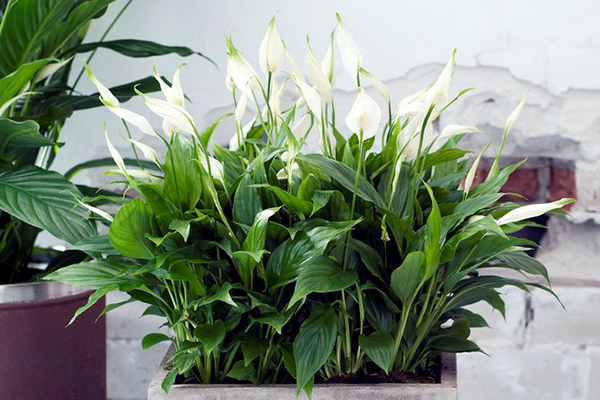
Spathiphyllum (Women's Happiness, Peace Lily) looks chic and is appropriate in almost any room, if the space allows. It can delight you with flowering all year round with proper care. Not capricious, but does not like direct sunlight and drafts.
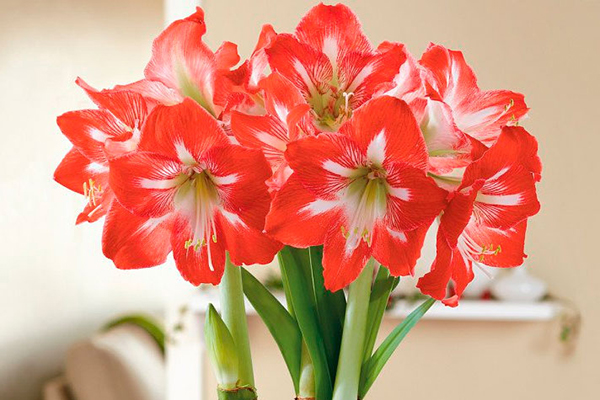
Hippeastrum (Star Rider) is a bulbous plant of the Amaryllis family. It blooms with large bright flowers, similar to lilies, which are collected in a delightful bouquet. Young specimens bloom once a year, while adults can bloom 2-3 times a year.

Passionflower (Passion Flower, Passion Flower, Cavalier Star) is a very exotic plant with amazing flowers. Passion fruits are known to us as passion fruit. True, only one species has edible fruits - granadilla. Other types of plants enchant with cosmic beauty of flowers.
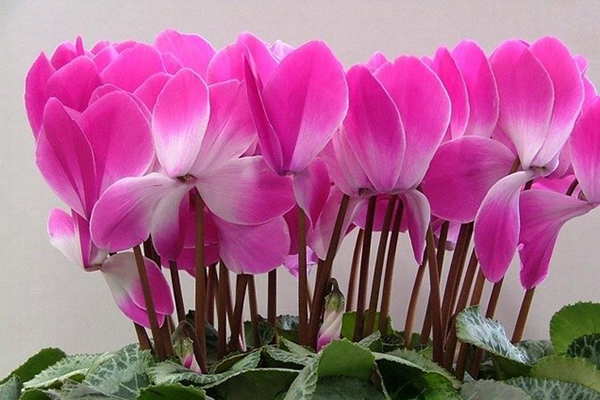
Cyclamen (Alpine violet) blooms in all shades of pink, red, lilac, orange, and white. Cyclamen leaves are also very decorative - beautiful heart-shaped with a variegated marble pattern. Many types of cyclamens are not only beautiful, but also fill the room with a subtle delicate aroma.
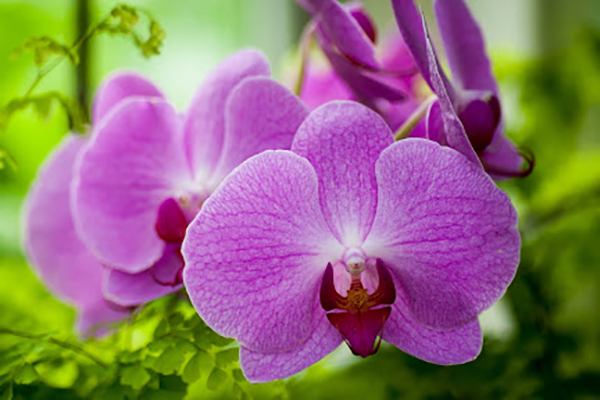
Separately, I would like to mention orchids - here we simply do not dare to choose the most beautiful ones. They are all wonderful.
The most beautiful decorative foliage plants

Aglaonema is a heat-loving tropical beauty with variegated leaves. Shade-tolerant, especially good because the large leaves almost hide the stem and it becomes visually invisible. Aglaonema is often confused with Dieffenbachia, but the latter has more rounded and larger leaves.
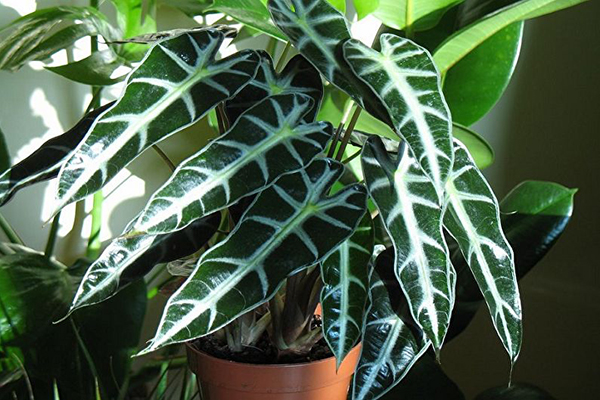
Alocasia surprises with the variety of shapes and colors of decorative leaves. The size of this plant can also vary greatly depending on the variety. The largest alocasia can grow up to 2 meters indoors; people call it “elephant ears” for its impressive dimensions :-)
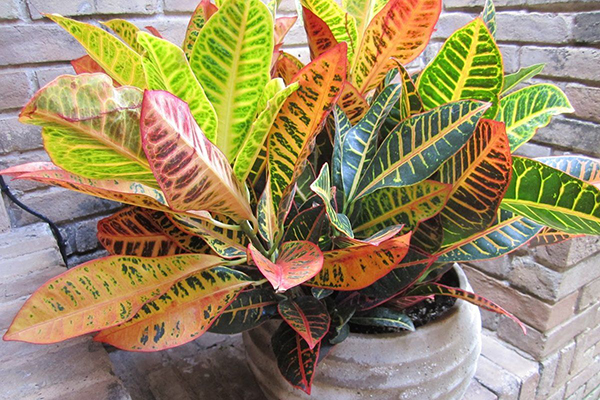
Croton (Codiaeum) delights with multi-colored, variegated and unusual leaves. The leaves are so colorful that many gardeners compare the pattern on croton leaves with a decorative painting. Croton is quite capricious to care for, but after carefully studying and fulfilling all its requirements, you will be able to admire the bright colors all year round.
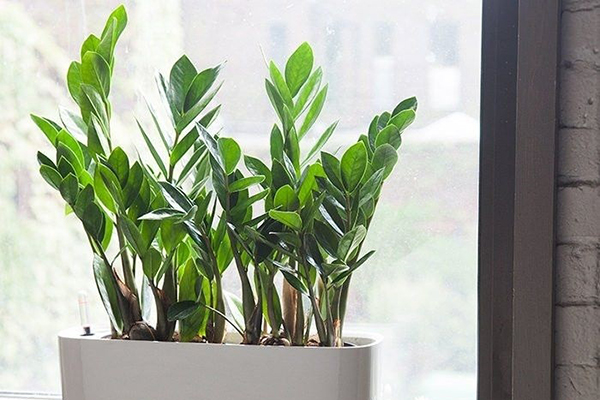
Zamioculcas (Dollar Tree) has feathery, shiny, dark green leaves that are able to “store” moisture in case of possible drought - a beautiful and unpretentious plant for busy or simply forgetful gardeners.
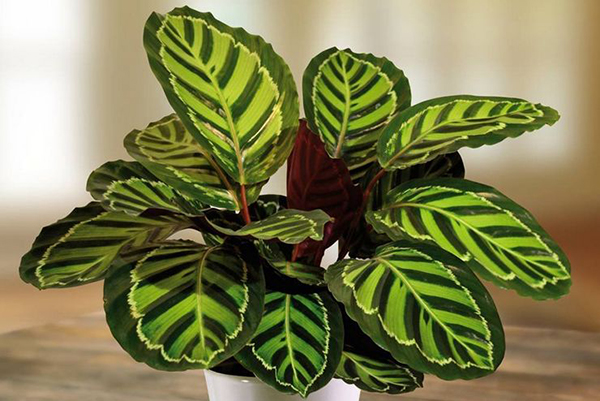
Calathea, in addition to the beautiful variegated leaves with a variety of patterns, has another interesting feature. In the evening, the calathea lifts its leaves up, showing the lower part, like hands raised in greeting, and in the morning it lowers them down again. It seems that the plant is moving.
The most beautiful indoor palm trees

Areca (Chrysalidocarpus) is an exotic plant that creates an atmosphere of real tropics in the room. Beautiful lanceolate glossy leaves and unpretentiousness make areca very attractive for growing at home.

Monstera is not actually a palm tree, but a vine. This plant became famous for its large, bizarrely shaped leaves, which is why it got its name. Nature came up with slits on monstera leaves so that during a tropical downpour, water would not accumulate on the leaf and break the stems. In addition, monstera is an excellent air ionizer.
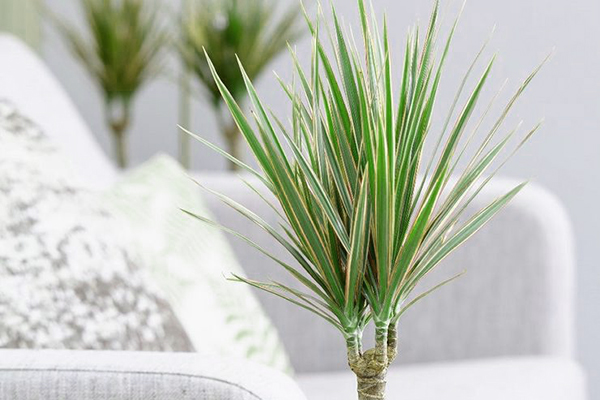
Dracaena is a popular resident of many apartments and offices. There are many varieties of dracaena, differing in shape, leaf color and size. This is a beautiful and unpretentious plant.
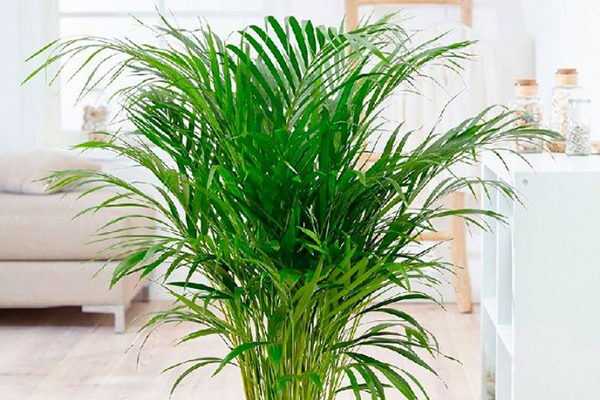
Howea with openwork feathery leaves and many flexible trunks is an elegant element of phytodesign for an apartment or office. Like all tropical beauties, it loves warmth and moisture.
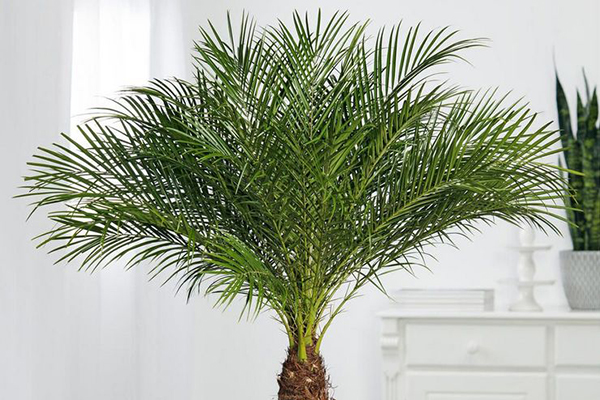
The date palm will brighten up your space with its long, narrow, deep green leaves. In nature, the date palm is called the queen of oases, because it provides shade and prevents water bodies from drying out, as well as fruits - sweet and healthy dates. The most hardy and pest-resistant plant.
Succulents and cacti
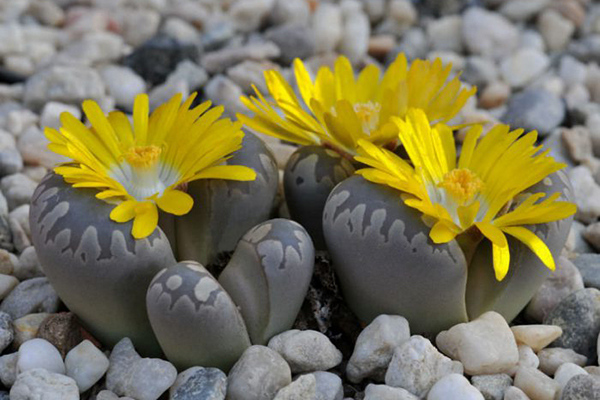
We cannot neglect succulents and cacti - this is a whole world of beautiful, unusual plants, the forms of which sometimes raise doubts about their earthly origin. Take, for example, lithops (living stones) - this is something completely cosmic!
Summary
It is very difficult to limit each group of indoor flora to a few representatives. There are a lot of indoor plants and each is beautiful in its own way. Choose plants that you and your household like personally - and your home or office will become a real oasis of natural beauty in the middle of the concrete jungle!