Professional care for elderly people after stroke
Stroke is a serious condition that radically changes the life of an elderly person and their loved ones. After the acute phase, long-term rehabilitation under the supervision of specialists is required. Professional care for elderly people after stroke helps restore daily living skills, motor functions, speech and psychological well-being, improving the patient’s quality of life.
Why care after stroke is so important in old age
Elderly people find it particularly difficult to recover from a stroke on their own. The body is weakened, regeneration processes are slow, complications and comorbid diseases occur. The main difficulties faced by relatives include:
- Paralysis or partial impairment of motor functions;
- Speech problems and insufficient oxygen supply to the body;
- Memory decline, behavioral changes, depressive states;
- Difficulties with eating and swallowing;
- Impaired coordination and the need for constant assistance;
- Risk of pressure sores and trophic disorders during prolonged bed rest.
To avoid serious complications and ensure faster recovery, comprehensive care along with proper physical and psychological support is essential.
Who is recommended professional care
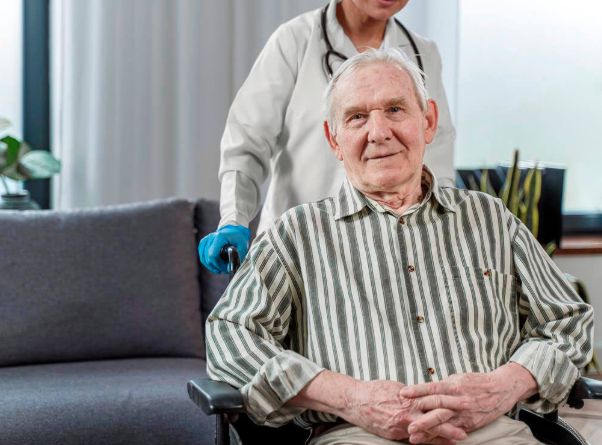
Specialized assistance is especially important in several cases:
- Complete or partial paralysis. Independent care becomes impossible, and relatives are not always able to provide round-the-clock supervision.
- Speech and cognitive impairments. The patient requires sessions with a speech therapist and psychologist, as well as care that takes into account increased risks of forgetting to take medication and maintain hygiene.
- Prolonged bedridden condition. Care is necessary to prevent pressure sores, infections, muscle atrophy, digestive problems and respiratory complications.
- Emotional and psychological difficulties. After a stroke, elderly people often experience anxiety, fear and despair — they need regular emotional and psychological support.
Stages of professional care for elderly people after stroke
A professional approach includes:
- Organization of daily life and safety. Arrangement of space: ramps, non-slip surfaces, special beds.
- Control of medication therapy and nutrition. Strict adherence to doctors’ prescriptions and an individual diet.
- Daily hygiene. Assistance with washing, changing linen and prevention of pressure sores.
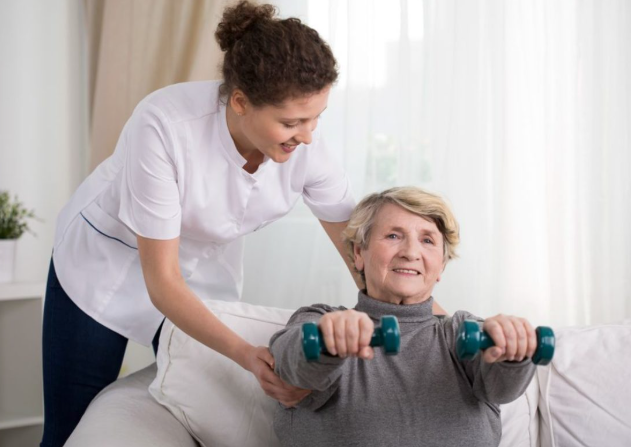
- Physiotherapy and therapeutic exercises. Physical therapy, massages and basic motor activity help restore self-care skills.
- Speech therapy and psychological rehabilitation. Exercises aimed at restoring speech, memory and cognitive functions.
Specifics of care in a nursing home: advantages and opportunities
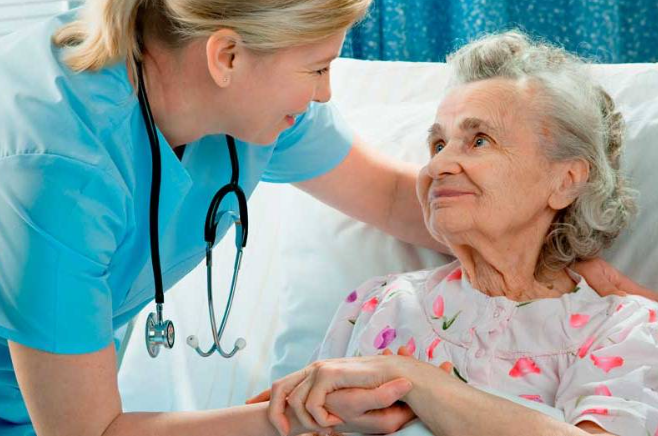
- Staff with medical education and specialization in neurology, gerontology and rehabilitation;
- Regular monitoring of health conditions and rapid response to changes;
- Availability of specialized equipment for lifting, transportation and rehabilitation;
- Individual nutrition plans considering dietary needs and tolerances;
- Organization of leisure activities, adaptive art therapy and social interaction support;
- Comfortable and safe living conditions for recovery.
Thanks to a comprehensive approach, many elderly patients regain independence and even their previous level of activity.
Common mistakes in caring for elderly people after stroke
- Leaving the patient unattended for long periods;
- Lack of a comprehensive approach to nutrition, treatment and rehabilitation;
- Ignoring emotional and psychological conditions;
- Independently changing prescribed medication regimens;
- Neglecting the organization of a safe environment.
A professional nursing home eliminates these risks thanks to experience, discipline and attentive care for each patient.
What distinguishes a good nursing home for stroke recovery
- Transparent operating system and the ability to receive consultation before admission;
- Flexibility — individualized rehabilitation programs;
- Focus not only on physical but also on psycho-emotional recovery;
- Availability of specialists: rehabilitation therapists, speech therapists, massage therapists;
- Constant communication with the patient’s relatives and reporting on recovery progress.
Conclusion
Rehabilitation care for elderly people after stroke is a complex, multi-level process in which every detail matters — from physical rehabilitation to psychological support. A professional nursing home helps avoid common mistakes, preserve health and independence, and gives families confidence in the future. Care will be truly effective when entrusted to experienced specialists who create not only comfort but also conditions for elderly people to return to a full and dignified life.