Classification of indoor plants by species

Perhaps, it is rare to meet a person who would not like indoor plants. They decorate the interior, purify the air, please the eye, gratefully respond to our care with growth and flowering. And every gardener wants his pet not to get sick and to feel as comfortable as possible.
It is impossible to prescribe the same care algorithm for all plants - they have different needs for lighting, moisture, air temperature. But it is also very difficult to study the advice for each individual plant.

This is what plant classification is for. Representatives of one group need similar care conditions. If you can determine which group your green pet belongs to, it will be easy to provide it with comfortable conditions for growth and flowering.
Classification of indoor plants
Indoor plants are classified according to several characteristics, which allows you to better understand their needs and characteristics.
By appearance and shape:
- Woody: plants with a pronounced trunk and crown (for example, ficus, dracaena).
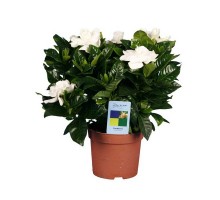
- Shrub: plants with several trunks starting from the base (for example, hibiscus, gardenia).
- Herbaceous: plants with soft, non-woody stems (for example, violet, begonia).
- Ampelous: plants with hanging or creeping shoots (for example, ivy, tradescantia).
- Succulents: plants with fleshy leaves or stems that can accumulate water (e.g. cacti, aloe).
By care needs:
- Light-loving: need bright light (e.g. cacti, citrus).
- Shade-tolerant: can grow in partial shade or in diffused light (e.g. ferns, sansevieria).
- Moisture-loving: need regular watering (e.g. azalea, hydrangea).
- Drought-resistant: do not require frequent watering (e.g. succulents, cacti).
By decorative qualities:
- Flowering: grown for their beautiful flowers (e.g. orchids, roses).
- Decorative foliage: valued for their beautiful leaves (e.g. ficus, monstera).
- Fruit: grown for their fruit (e.g. lemon, tangerine).
By origin:
- Tropical: come from tropical regions (e.g. orchids, bromeliads).
- Subtropical: come from subtropical regions (e.g. citrus fruits, camellias).
- Desert: come from desert regions (e.g. cacti, aloe).
By difficulty of cultivation:
- Easy to care for: do not require special skills and conditions (e.g. sansevieria, chlorophytum).
- Medium difficulty: require certain knowledge and care (e.g. ficus, dracaena).
- Difficult to care for: need special conditions and attention (for example, orchids, azaleas).
Tree-like indoor plants

Tree-like indoor plants are plants that are grown indoors and have the shape of a tree or shrub. They come in a variety of sizes and shapes, and many can flower or bear fruit.
Here are some examples of popular indoor tree plants:
- Ficus benjamina is a popular indoor plant with small leaves and thin branches.
- Schefflera is a plant with large, palmate leaves.
- Yucca is a plant with long, pointed leaves.
Flowering indoor plants

Flowering indoor plants are one of the most popular species, and it is not surprising. The variety of shapes and colors is impressive, bright colors relieve stress and improve mood in the cold season, bring a drop of spring to our home.
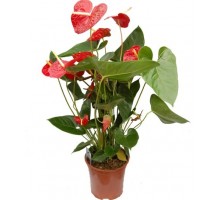
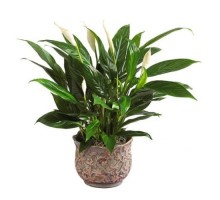
There are quite unpretentious flowering plants, capable of delighting with flowering all year round. These include Saintpaulia, spathiphyllum, anthurium, hibiscus,kalanchoe.
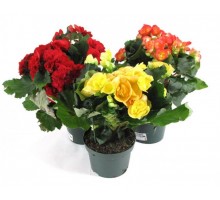
The beautiful azaleas or begonias are quite capricious, but your efforts will be rewarded with their gorgeous, beautiful flowers.
Ampelous indoor plants

Ampelous indoor plants are plants that are grown in hanging pots, planters or baskets. They are distinguished by long, hanging or climbing shoots, which makes them ideal for decorating the interior, especially where there is little space on windowsills or shelves.
Examples of popular indoor hanging plants:
- Ivy (Hedera): An evergreen plant with a variety of shapes and shades of leaves. Ivy is unpretentious and has the ability to purify the air.
- Tradescantia (Tradescantia): Known for its bright leaves with purple or pink stripes. Tradescantia grows quickly and is easy to propagate.
- Chlorophytum (Chlorophytum): Often called a "spider plant" because of its long shoots with rosettes. Chlorophytum is also known for its ability to purify the air.
Deciduous (ornamental foliage plants)

The value of this species is in beautiful leaves.
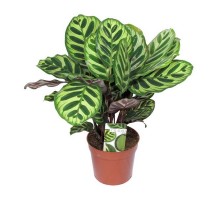
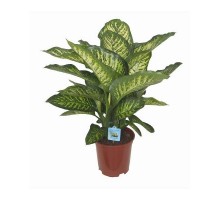
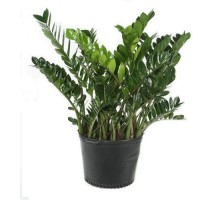
Deciduous indoor plants do not lose their attractive appearance throughout the entire time, unlike flowering plants, which are not very decorative during the dormant period. Caring for many deciduous plants is quite simple - aglaonema and dieffenbachia, zamioculcas will delight the eye with beautiful green leaves all year round.
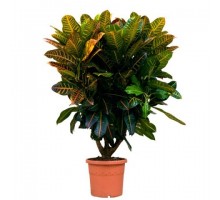
If the leaves of your plant can boast a variegated beautiful pattern (calathea, croton) - try to provide them with sufficient light, otherwise the pattern may disappear and the leaves will become monochromatic.
Tropical indoor plants
Tropical indoor plants are plants that originate from tropical regions of the world and are grown indoors. They come in a variety of shapes, sizes and colours, but generally require special care, including maintaining a certain temperature, humidity and lighting.
Examples of tropical indoor plants:
- Orchids are known for their beautiful and exotic flowers.
- Monstera is a large plant with large leaves, often grown as an ornamental.
- Ficus includes many species, from small shrubs to large trees.
- Many types of palm trees can be grown indoors, giving the interior a tropical look.
Palms

Palm trees are frequent residents of apartments and offices. Their graceful trunks and lush leaves decorate the lobbies of hotels, business centers, and executive offices.
Palms mostly come from the tropics, so try to create conditions for them that are close to their natural environment - heat, light and humidity.
dracaena and yucca are quite unpretentious.
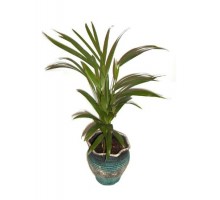
Areca and howea will thank you for regular spraying with settled warm water.
But in general, caring for palms is not difficult, the main thing is that the room is spacious enough to accommodate a large plants.
Liana

Liana can decorate not only a window sill or a corner in a room - but even walls and ceilings. Place supports in the places where you want to direct the stems of the vines - and soon your room will look like a tropical forest!
Vineyards can hide unattractive areas of the wall or shade a window.
They look great in vertical flower arrangements when landscaped interiors.
Such types of vines as philodendron and syngonium are quite popular.
By the way, do you know,that monstera is also a liana?
Orchids

It is not by chance that the orchid is called the queen of flowers. Exotic and exquisite, diverse and beautiful - a source of pride for any gardener.
There is an opinion that orchids are very demanding in terms of care.
But this is not always the case. Many varieties of orchids that can be purchased in flower shops today are specially developed by breeders and adapted for growing at home.
The Phalaenopsis orchid is very popular for its variety of shades and unpretentiousness, and its miniature species will decorate the windowsill of even the smallest apartment.
The luxurious Vanda orchid will emphasize your status or become a prestigious gift for a person who has “everything there is".
Cacti and succulents

Even novice or very forgetful gardeners can handle caring for these desert dwellers. They easily tolerate temperature changes and do not mind moderate watering.
This is perhaps the only type of plant that can tolerate direct sunlight even in the hottest weather.
Cacti are used to create beautiful flower arrangements, placing them in special florariums, they add an exotic and sometimes simply fantastic twist to your interior.
Many cacti surprise with amazing flowers.
Such succulents as money tree, Kalanchoe, sansevieria are very popular, aloe.
Fruit indoor plants

Of course, you won't be able to collect a bountiful harvest from your windowsill. The fruits of exotic indoor plants, such as calamondin (mandarin) or lemon are more of a decorative value.
But imagine how festive and elegant a cute tree with bright sunny fruits will look!
Fruit indoor plants also include coffee tree – a very cozy touch in the interior of your kitchen!
Each type requires certain care, but representatives of all species can become part of your home garden and delight you all year round with beautiful juicy leaves and luxurious flowers.Our next article is about the classification of plants by care conditions.