Classification of plants by care conditions

In nature, each plant has its own habitat and its own weather conditions.
Plants adapt to a certain level of humidity, air temperature, lighting, but this evolution can last for centuries.
Everyone knows that cedars do not grow in the tropics, and palm trees cannot survive in the taiga.
Therefore, when caring for a houseplant, you should take into account its natural growing conditions.

Of course, indoor plants are less susceptible to external influences and temperature changes, they are not afraid of wind, frost or pouring rain. But the conditions for keeping plants in apartments also have their own nuances - for example, during the heating season, the air in the room becomes too dry.
According to the requirements for the basic rules of care, indoor plants can be divided into:
- Heat-loving and cool-loving
- Light-loving and shade-tolerant
- Moisture-loving and drought-resistant
Heat-loving indoor plants

Heat-loving indoor plants are plants that prefer warm conditions and do not tolerate cold. They come from tropical or subtropical regions where the air temperature is usually high and stable.
Features of caring for heat-loving plants
- The optimal temperature for most heat-loving plants is +22-28 degrees Celsius. It is necessary to avoid drafts and sudden changes in temperature. At16°C such plants slow down in development, stop blooming, and at a constant temperature not higher than10°C they may even die.
- Heat-loving plants need bright but diffused light. Direct sunlight can cause burns on the leaves.
- Watering should be regular and moderate. It is necessary to ensure that the soil is always slightly moist, but not wet. Excess moisture can lead to root rot.
- Most heat-loving plants prefer high humidity. To do this, you can use a humidifier or spray the plants with warm water.
- Feeding: during the period of active growth, heat-loving plants need regular feeding. For this, you can use special fertilizers for indoor plants.
- Most of all, heat-loving indoor plants are afraid of temperature changes and drafts. Therefore, in winter, they should be removed from cold windowsills to a more comfortable place.
- In summer, most heat-loving plants are best placed outside or on an open balcony - there they will receive maximum air and light. Just protect the delicate leaves from direct sunlight.
List of heat-loving indoor plants:
- Adiantum;
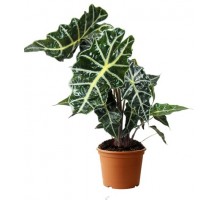
- Alocasia;
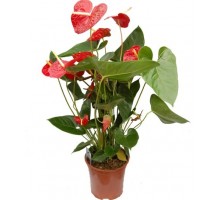
- Anthurium;
- Aphelandra;
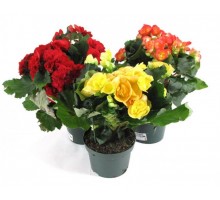
- Begonia;
- Bromeliad;
- Bougainvillea;
- Gardenia;
- Heliconia;
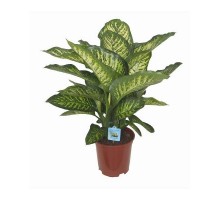
- Dieffenbachia;
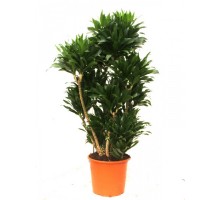
- Dracaena;
- Jasmine;
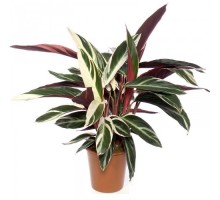
- Calathea;
- Codium (Croton);
- Mango;
- Maranta;
- Monstera;
- Orchid;
- Palm;
- Fern;
- Poinsettia;
- Strelitzia;
- Ficus;
- Philodendron;
- Chlorophytum;
- Schefflera;
- Aeschynanthus.
When caring for heat-loving plants, it is necessary to carefully monitor their condition and take timely measures to solve emerging problems.
Houseplants that prefer coolness

Cool-tolerant houseplants are plants that grow and thrive best in cooler temperatures than most regular houseplants. They may come from temperate or mountainous regions where cool temperatures are the norm.
Cool-Tolerant Plant Care Tips
- These plants feel most comfortable when the thermometer does not exceed 16°C, and some can even tolerate frost. In such Spartan conditions, they grow, form new leaves, and set buds.
- Some indoor flowers simply need cold to bloom.
- For example, Dendrobium orchid to form buds, a cold and dry period is needed with temperature differences of 6-7 ° C with a night temperature of 5-10 ° C, otherwise the orchid will not bloom.
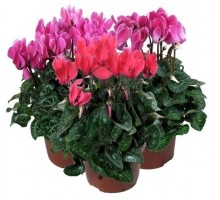
- Another lover of freezing is cyclamen. The ideal temperature is 10-15 ° C, its increase weakens the plant and shortens the flowering period.
- Azalea does not like heat either - at a constant temperature above 18 ° C this capricious beauty can shed buds and leaves.
K Cold-resistant indoor plants also include:
- Sansevieria
- Kalanchoe
- Zamioculcas
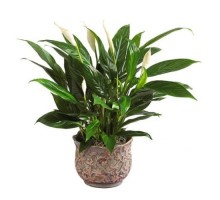
- Spathiphyllum
- Crassula
- Chlorophytum
- Epipremnum
- Azalea
- Camellia
- Cyclamen
- Primrose
- Araucaria
- Pomegranate
- Rosemary
It is worth noting that most plants feel comfortable at a moderate temperature of 21 - 26 ° C during the day and 15 - 20 ° C at night. Rare extreme plants can tolerate frost or extreme heat.
Specific care conditions may vary depending on the plant species. Therefore, before getting such a plant, it is recommended to study its individual characteristics.
Light-loving indoor plants
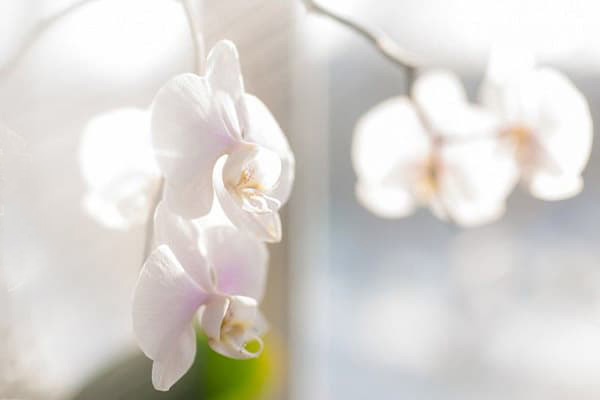
Light-loving indoor plants are plants that need a lot of light for normal growth and development. They are ideal for placement on windows, balconies or terraces where they can receive enough sunlight.
Examples of light-loving indoor plants
Flowering:
- Hibiscus
- Geranium
- Bougainvillea
- Jasmine
- Orchids (phalaenopsis, dendrobium)
- Anthurium
- Spathiphyllum
- Kalanchoe
- Begonias
- Saintpaulia
Decorative foliage:
- Ficus benjamina
- Ficus lyre-shaped
- Monstera
- Dracaena
- Yucca
- Agave
- Aloe
- Cacti and succulents
Palms:
- Chamaedorea
- Date palm
- Washingtonia
Features of caring for light-loving plants
Plants need light for flowering and growth. But different species need different degrees of illumination. Some flowers do not have enough natural light, especially in winter, and they need additional illumination.
As a rule, flowering plants are especially light-loving.
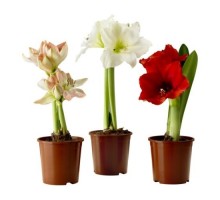
Saintpaulia, spathiphyllum, anthurium, hippeastrum prefer abundant lighting.
Phalaenopsis orchids also love light.
The money tree will also grow better on an eastern or southern window.
But remember - all plants in the summer need to be protected from direct sunlight.
Shade-tolerant indoor plants
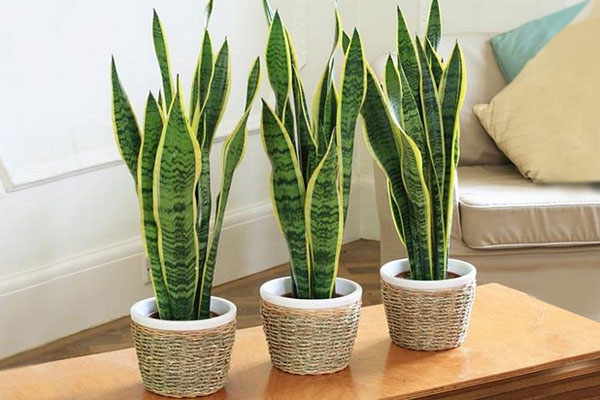
Shade-tolerant indoor plants are plants that can survive and grow in low light conditions. They are ideal for dark rooms, hallways or offices where there is little natural light.
Benefits of shade-tolerant plants:
- Air purification: Many shade-tolerant plants have the ability to purify the air from harmful substances, such as formaldehyde and benzene.
- Improving mood: Plants in the interior create a cozy and comfortable atmosphere, help reduce stress and improve mood.
- Decoration: Shade-tolerant plants can be a wonderful decoration for any room, adding greenery and life to it.
Lack of natural light is not a reason to refuse indoor plants.
Quite a lot of plants do not need abundant lighting, and these crops are usually very hardy and unpretentious in care, and therefore are popular.
Do not confuse the terms "shade-loving" and "shade-tolerant".
- Shade-loving plants cannot grow in bright light and prefer only moderate light.
- Shade-tolerant plants are universal, they feel comfortable both in the shade and in brighter light.
It should be remembered that no plant can do withoutfrom light. For the most shade-loving plants, the maximum distance from windows should not be more than 3 m.
Examples of shade-tolerant indoor plants:
- Aglaonema can grow and look gorgeous in low light. In the shade, it can partially lose its patterns without losing its decorative qualities.
- Alocasia has very low lighting requirements, but in return requires high humidity and strict temperature control.
- Soleirolia practically does not grow in the sun in nature, so it is perfectly adapted to indoor conditions of partial shade.
- Sansevieria, scindapsus, zamioculcas and other indoor flowers also do not need abundant lighting.
Moisture-loving indoor plants
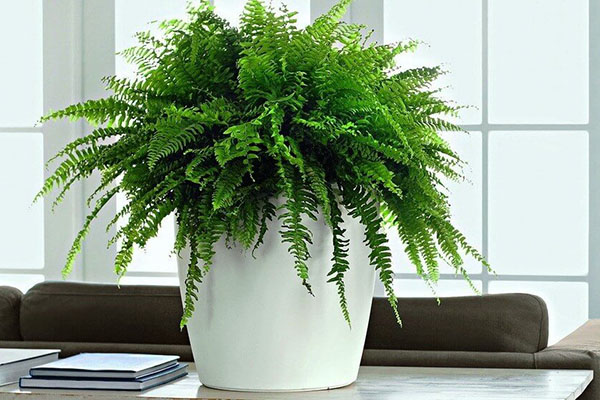
Moisture-loving indoor plants are plants that need frequent and abundant watering, as well as high humidity. They come from tropical and subtropical regions, where the climate is characterized by abundant rainfall and high humidity.
Features of caring for moisture-loving plants
- The soil should always be moist, but not wet. Excess water can lead to root rot. These plants need not only abundant watering, but also regular spraying. As a rule, they do not tolerate even short-term drought.
- Regular spraying of the leaves will help maintain the necessary air humidity.
- Most moisture-loving plants prefer bright but diffused light. Direct sunlight can burn the leaves.
- The optimum temperature for most moisture-loving plants is 20-25 degrees Celsius.
Despite the fact that you will have to take more careful care of such plants, growing them in an apartment is very useful.
Moisture-loving flowers humidify and purify the air, creating a microclimate favorable for humans.
Examples of moisture-loving plants:
- Azalea, balsam, passionflower and gardenia love moisture the most.
- Deciduous moisture lovers are monstera, tradescantia, ivy and ferns.
Drought-resistant indoor plants
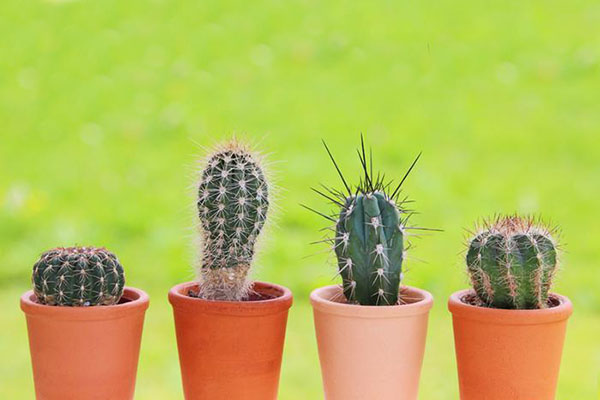
Drought-resistant indoor plants are plants that can survive and maintain their decorative properties in conditions of insufficient moisture. They are ideal for people who often forget to water the plants or go on vacation. A logical choice for rooms with excessively dry air or for those who constantly forget about timely watering.
The list of drought-resistant Spartans is headed by cacti - this is natural, because in nature they have to store water in case of drought.
- Succulents: This is the largest group of drought-resistant plants. These include cacti, aloe, agave, money tree, echeveria and many others.
- Zamioculcas: This plant is also called the "dollar tree". It is distinguished by its thick leaves and the ability to store water in its rhizomes.
- Sansevieria: This plant is known for its unpretentiousness and ability to purify the air.
- Dracaena: Some types of dracaena, such as Dracaena marginata, are also drought-resistant.
- Ficus: Some types of ficus, such as Ficus elastica, can tolerate short-term drought.
Features of caring for drought-resistant plants
Drought-resistant plants, or xerophytes, have the ability to survive and thrive in conditions of limited moisture. This makes them an ideal choice for those who often forget to water their plants or go on vacation. However, despite their unpretentiousness, proper care will help them maintain health and decorativeness.
Different types of drought-resistant plants may have their own care features.
Pay attention to the appearance of the plants and their reaction to the conditions of maintenance. If you are not sure about something, do not be afraid to experiment. The main thing is to do it carefully and observe the reaction of the plant.
Different types of indoor plants require different care.
By type of care, plants can be divided into thermophilic and cool-loving, light-loving and shade-tolerant, moisture-loving and drought-resistant.
Choose your plant according to the conditions of the room in which it will live and your ability to devote more or less time to care.
Among the many varieties of plants, you will definitely find what suits you, will decorate the interior and please the eye with growth and lush flowering!