General recommendations for choosing and caring for plants
 When choosing plants, pay attention to the type of plant and how to care for them.
For offices, we recommend plants that are not afraid of drying out of the earthen coma, drafts and darkening.
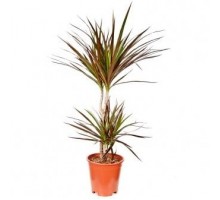
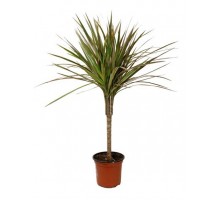
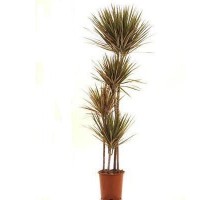
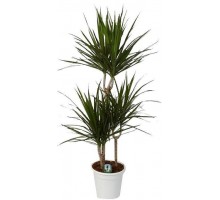
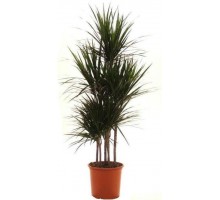
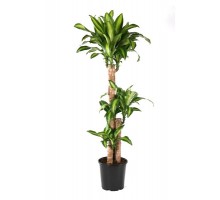
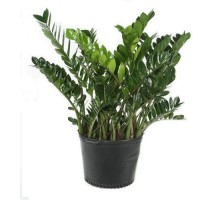
Plants such as Dracaena marginata, Dracaena massangiana, Zamioculcas, Monstera, Spathiphyllum feel great in partial shade. They also do not require frequent watering.
If the plant has been flooded, we advise you to read further.
Watering. Water is vital for all indoor plants; you just need to learn to understand when and how much to water them. If the soil dries out and begins to lag behind the pot, the water will not stay in it. If the water is not absorbed, it means the soil is completely dry.
The soil in pots should be moistened as needed more often in summer, less often in winter, but it is best to look at the natural habitat of the flower.
When a plant has a growth period and needs more water, pay attention to this, since after reading the instructions for caring for a plant, they most often take care of a young flower in the same way.
But watering the plants every day is a mistake that many people make. Excessive watering can lead to acidification of the soil and rotting of the roots. Of course, it is possible to save such a plant, unless it has been in such soil for too long.
You need to remove the plant from the pot and blot the soil with sheets of newspaper. Dry the roots of the plant a little, and then place it in a pot in fresh soil. Do not water for a week; after replanting, the plant needs enough moisture from fresh soil. Soil acidification can be avoided by adding two cm of drainage pebbles (expanded clay) to the bottom of the pot when replanting. Water the plant with settled, soft water. For some plants, even slightly warm temperatures are beneficial.
For the healthy growth of your pets, it is necessary to change their habitat from time to time, replant the plants in fresh soil and in a larger pot, but only a quarter larger than the previous one.
The choice of pot is yours, whether it will be clay or plastic. Each of them has its own advantages. Clay, for example, is heavy, holds tall plants well, is porous, and these pots look more aesthetically pleasing and natural and have a huge selection of shapes and colors. Plastic, in turn, is lightweight, unbreakable, and waterproof, which means you can water it less often.
Every plant needs nutrition for the plant's strength and growth. Thanks to nutrition, the plant blooms profusely and delights with healthy, beautiful leaves and crowns. Immediately after transplantation, fertilizing is not needed for some time.
Fertilizer composition:
Basically, all fertilizers consist of macroelements: nitrogen (N), phosphorus (P), potassium (K) and trace elements. For good growth and development, your plant needs nutrition with all the specified components.
Fertilizing is combined with watering. Universal fertilizers are a complex of all necessary components that meet the needs of most types of plants. Some special fertilizers are used to care for orchids, violets, and cacti.
The frequency of fertilizing at different stages of plant growth is different. Some plants need feeding all year round, while others only during the period of active growth. Feeding methods are distinguished: leaf and root. Foliar (foliar) feeding is good for plants after stress caused by lack of food or water.
You can double the collection of your favorite plants by planting cuttings of their leaves in special compost. You should only use clean materials, fresh soil and clean tools.