
Lemon at home on the windowsill: how to plant, grow and care for a harvest
Why is it worth growing lemon at home?
Growing a lemon tree at home is not only an exciting hobby, but also an opportunity to enjoy fresh, environmentally friendly fruits right on your windowsill. A lemon tree is not just a beautiful plant that will decorate your interior, but also a source of vitamins, aroma and positive energy.
Imagine: you wake up in the morning, brew tea and add a slice of lemon that you grew yourself. Isn't that a pleasure? In addition, a lemon tree purifies the air, fills the house with a fresh citrus aroma and creates a cozy atmosphere.
Growing a lemon at home is easier than it seems. Even if you have never done gardening, with the help of simple tips and recommendations you can grow a healthy tree that will delight you with its fruits. In this article, we will tell you how to choose a variety, plant a lemon correctly, care for it and avoid common mistakes.
Are you ready to become a home gardener? Then let's get started!

Advantages of a lemon tree: more than just a plant
A lemon tree is a real gift for your home. It combines beauty, benefits and even a little magic. Here are some reasons why you should have this plant at home:
-
Aesthetics and comfort. A lemon tree with its glossy leaves and bright fruits will become a stylish element of decor. It will enliven the interior, add a touch of freshness and natural harmony to it.
-
Air purification. Lemon tree, like other plants, improves the indoor microclimate. It produces oxygen, absorbs carbon dioxide and even neutralizes unpleasant odors.
-
Aromatherapy. The light citrus aroma emitted by lemon leaves and flowers lifts the mood, relieves stress and creates a feeling of freshness in the house.
-
Health benefits. Lemon is a storehouse of vitamin C, antioxidants and other useful substances. It can be used to strengthen the immune system, make drinks, desserts and even homemade cosmetics.
-
A fascinating hobby. Caring for a lemon tree is a process that brings joy and satisfaction. Watching the plant grow, bloom and bear fruit is a real pleasure for any gardener, even a beginner.

Which varieties of lemons are suitable for home growing?
Not all lemons feel equally good in an apartment. For home growing, it is better to choose special varieties that are adapted to limited space, lack of natural light and indoor conditions. Here are some popular varieties that are ideal for growing on a windowsill:
Meyer Lemon (Chinese Dwarf)
- Features: A hybrid of lemon and orange, it is compact in size and highly productive.
- Fruits: Smaller than regular lemons, with thin skin and a sweetish taste.
- Advantages: Begins to bear fruit quickly, is easy to care for.
Pavlovsky Lemon
- Features: One of the most popular varieties for home growing in Russia.
- Fruits: Large, with a bright aroma and juicy pulp.
- Advantages: Tolerates shade well, is resistant to temperature changes.
Lemon Ponderosa
- Features: A hybrid of lemon and grapefruit, it has large fruits.
- Fruits: Very large, with a thick peel and sour taste.
- Advantages: Decorative appearance, abundant flowering.
Lemon Jubilee
- Features: A variety bred in Uzbekistan, well adapted to indoor conditions.
- Fruits: Large, with a thick peel and rich taste.
- Advantages: Unpretentious, grows and bears fruit quickly.
Lemon Lunario (Four-Season)
- Features: It got its name due to its ability to bloom and bear fruit all year round. year.
- Fruits: Medium-sized, with thin skin and sour taste.
- Advantages: Highly decorative and constant fruiting.
Novogruzinsky lemon
- Features: Tall variety, but with proper pruning suitable for an apartment.
- Fruits: Large, with a strong aroma and sour taste.
- Advantages: Abundant fruiting and resistance to diseases.
When choosing a variety, consider:
- Plant size (some lemons can grow up to 2 meters).
- Conditions in your apartment (lighting, humidity, temperature).
- Your goals (decorative or harvest).

How to grow a lemon from a seed: step-by-step instructions
Growing a lemon from a seed is a fascinating process that even a novice gardener can handle. Although this method requires more time and patience (you will have to wait 5-7 years for fruiting), it allows you to observe the growth of the plant from the very beginning. Here are detailed instructions on how to grow a lemon from a seed:
Step 1: Selecting and preparing the seed
- Choose a ripe lemon: It is better to take seeds for planting from ripe, juicy fruits.
- Remove the seeds: Carefully remove them from the lemon and rinse under running water to remove any residue pulp.
- Soak the seeds: To improve germination, soak the seeds in warm water for 8-12 hours. You can add a growth stimulator (for example, "Epin").
Step 2: Preparing the soil and pot
- Choose a pot: A small pot with drainage holes will do for a start.
- Prepare the soil: Lemon loves light, nutritious soil. Mix peat, humus and sand in a ratio of 2:1:1 or use ready-made soil for citrus fruits.
- Drainage: Pour a layer of expanded clay or small pebbles on the bottom of the pot to drain excess moisture.
Step 3: Planting the seed
- Plant the seed: Deepen the seed into the soil by 1.5–2 cm.
- Water: Moisten the soil, but do not flood it.
- Cover with film: Create a greenhouse effect by covering the pot with film or glass. This will help retain moisture and warmth.
Step 4: Caring for the seedlings
- Place in a warm place: The optimum temperature for germination is 22–25 °C.
- Ventilate: Remove the film daily for 10–15 minutes to avoid mold.
- Wait for seedlings: Sprouts will appear in 2–4 weeks. When they grow to 3-4 cm, the film can be removed.
Step 5: Caring for the young plant
- Lighting: Place the pot in a well-lit place, but avoid direct sunlight.
- Watering: Water the plant as the top layer of soil dries out.
- Feeding: After 2-3 months from the emergence of seedlings, begin feeding the lemon with citrus fertilizers.
Step 6: Transplanting
- When the plant grows and the roots fill the pot, transplant it into a larger container. Do this carefully so as not to damage the root system.

Soil and pot: creating ideal conditions for a lemon tree
In order for the lemon tree to feel comfortable and please you with its growth, it is important to choose the right soil and pot. These two elements play a key role in the development of the plant, because it depends on them how well the roots can breathe, receive nutrients and moisture.
- Soil for lemon. Lemon tree prefers light, breathable and nutritious soil. The soil should be neutral or slightly acidic (pH 6-7). The ideal mixture consists of several components: turf soil, humus, peat and sand. Turf soil provides nutrition, humus adds organic matter, peat makes the soil loose, and sand improves drainage. If you do not want to prepare the mixture yourself, you can use ready-made soil for citrus fruits, which is sold in garden stores. It already contains all the necessary components in the right proportions.
- Drainage. Lemon does not tolerate stagnant water, so drainage is a must when planting. A layer of expanded clay, small pebbles or broken brick 2-3 cm thick should be poured onto the bottom of the pot. This will allow excess water to drain freely and prevent root rot.
- Choosing a pot. A lemon pot should be not only beautiful, but also functional. At the initial stage, a small pot with a diameter of 15-20 cm will do. As the tree grows, it will need to be replanted into larger containers. The pot can be made of any material - plastic, ceramics or clay. However, remember that the soil dries out faster in clay pots, so watering will be required more often. Be sure to make sure that the bottom of the pot has drainage holes.
- Replanting. Young lemon trees are replanted annually, and adult ones - once every 2-3 years. It is better to replant in the spring, when the plant is actively growing. The new pot should be 3-5 cm wider than the previous one. When replanting, try not to damage the root system. If the roots have braided the earthen lump too tightly, carefully loosen them around the edges.
Advice: If you are just starting to grow a lemon, do not rush to plant it in a large pot right away. In a container that is too spacious, the soil may turn sour, which will negatively affect the plant. It is better to increase the size of the pot gradually, as the tree grows.

Features of lemon care at home: how to create ideal conditions
Lemon tree is a tropical plant that requires special attention and care. In order for it to feel comfortable at home, it is important to consider several key factors: lighting, temperature, humidity and protection from stress. Let's figure out how to create the ideal environment for lemon.
- Lighting. Lemon loves bright but diffused light. Direct sunlight can burn the leaves, so it is better to place the plant on the eastern or western windows. If the windows face south, use light tulle or curtains to soften the light. In winter, when daylight hours are short, you can use phytolamps for additional illumination. This is especially important if you want the lemon to continue to grow and bloom during the cold season.
- Temperature. The lemon tree prefers moderate temperatures. In summer, the optimal range is 20–25 °C, and in winter - 12–16 °C. Cool wintering helps the plant rest and gain strength before the new season. However, it is important to avoid sudden temperature changes and drafts, which can cause stress to the plant. Do not place the lemon near radiators or air conditioners.
- Air humidity. Humidity is one of the most important factors for lemon. In nature, it grows in conditions of high humidity, so dry air in apartments can be detrimental to it. Regularly spray the leaves with water at room temperature, especially in winter, when the air becomes dry due to heating. You can also place a humidifier or a tray with wet expanded clay next to the plant.
- Protection from stress. The lemon tree is very sensitive to changes in the environment. Rearranging the pot, sudden changes in temperature or lighting, drafts - all this can cause stress in the plant, which manifests itself in shedding leaves or slowing down growth. Try not to move the lemon unnecessarily and create stable conditions for it.
- Watering. Watering should be regular, but moderate. In summer, the lemon is watered more often, about 2-3 times a week, and in winter - less often, as the top layer of soil dries out. Use settled water at room temperature. It is important to prevent both the soil from drying out and water stagnation, which can lead to root rot.
Tip: To check if the plant needs watering, stick your finger into the soil to a depth of 2-3 cm. If the soil is dry, it is time to water.

How often to water a lemon: the secrets of proper moistening
Watering is one of the most important aspects of caring for a lemon tree. An incorrect moistening regime can lead to serious problems: from drying out the roots to rotting due to excess moisture. To ensure that your lemon feels comfortable and looks healthy, it is important to maintain a balance and take into account several key factors.
- The frequency of watering depends on the season, the room temperature, and the size of the plant. In the summer, during the period of active growth, the lemon is watered more often - about 2-3 times a week. In winter, when the plant is dormant, watering is reduced to once every 7-10 days. However, it is important to focus not on a strict schedule, but on the condition of the soil. The soil should be slightly moist, but not wet.
- To determine whether the plant needs watering, check the condition of the soil. Stick your finger into the soil to a depth of 2-3 cm. If it is dry, it is time to water. If it is wet, wait another day or two. You can also use a wooden stick: stick it into the soil and see if there are traces of moisture left on it.
- The lemon tree is very sensitive to water quality. Cold or hard tap water can harm the plant. Use settled water at room temperature. To do this, pour water into an open container and leave it for 24 hours. During this time, the chlorine will evaporate, and the salts will settle to the bottom. If possible, use filtered or rainwater.
- Water the lemon evenly so that the water is distributed over the entire surface of the soil. Do not allow water to stagnate in the tray - drain the excess 15-20 minutes after watering. This will help to avoid over-moistening the roots. If the soil in the pot is too dry and the water quickly drains into the tray, water the plant again after 10-15 minutes.
- Lemon likes not only watering under the root, but also spraying the leaves. This is especially important in hot weather or in winter, when the air in the apartment becomes dry. Use a spray bottle with a fine mist and mist the leaves in the morning or evening to avoid sunburn.
- If the lemon leaves turn yellow and fall off, this may be a sign of overwatering.. In this case, reduce watering and let the soil dry out. If the leaves dry out and curl up, the plant, on the contrary, lacks moisture. Increase the frequency of watering and check if there is enough humidity in the air.
How to feed a lemon tree: nutrition for growth and fruiting
A lemon tree, like any other plant, needs regular feeding. In the limited space of a pot, the soil quickly becomes depleted, and without additional nutrients, the plant may slow down its growth, stop flowering or bearing fruit. To keep your lemon healthy and please you with a harvest, it is important to choose the right fertilizers and follow the schedule for their application.
- Basic nutrients. A lemon tree needs three main elements: nitrogen, phosphorus and potassium. Nitrogen is responsible for the growth of leaves and shoots, phosphorus promotes the development of the root system and flowering, and potassium strengthens the immune system and improves the quality of fruits. In addition, lemon needs trace elements such as iron, magnesium, zinc and calcium. Their deficiency can lead to yellowing of leaves, slow growth and other problems.
- Types of fertilizers. Both organic and mineral fertilizers can be used to feed lemon. Organic fertilizers, such as humus, compost or mullein infusion, improve the structure of the soil and saturate it with nutrients. Mineral fertilizers, for example, complex compositions for citrus fruits, contain a balanced amount of macro- and microelements. They are easy to use and are quickly absorbed by the plant.
- Feeding schedule. In spring and summer, during the period of active growth, lemon is fed every 2-3 weeks. In autumn, the frequency of fertilizing is reduced to once a month, and in winter, if the plant is dormant, fertilizers are not applied. However, if the lemon continues to grow and bloom in winter, you can fertilize it once every 1.5–2 months, reducing the dosage by half.
- How to apply fertilizers. Fertilizers are applied to moist soil to avoid burning the roots. Liquid fertilizers are diluted in water according to the instructions and watered under the plant's roots. Dry fertilizers are evenly distributed over the soil surface, after which they are watered generously. It is important not to exceed the recommended dosage, since excess nutrients can harm the plant.
- Folk remedies for fertilizing. If you prefer natural fertilizers, you can use folk remedies. For example, an infusion of eggshells saturates the soil with calcium, and an ash solution - with potassium and phosphorus. A weak solution of potassium permanganate is also useful, which not only feeds the plant, but also disinfects the soil.
Signs of nutrient deficiency. If the lemon leaves turn yellow, and the veins remain green, this may be a sign of iron deficiency. Yellowing of the leaf tips indicates a potassium deficiency, and slow growth and pale leaves indicate a nitrogen deficiency. In such cases, it is important to apply appropriate fertilizers in a timely manner.
Do I need to trim an indoor lemon: crown formation and plant health
Pruning is an important stage of caring for a lemon tree, which helps not only to give the plant a beautiful shape, but also to improve its health and fruiting. A lemon tree growing indoors needs regular pruning to maintain a compact size, stimulate the growth of new shoots, and provide access of light to all parts of the crown.
- Why prune a lemon? Pruning performs several key functions. Firstly, it helps to form a neat crown, which is especially important for indoor plants. Secondly, removing old, weak, or damaged branches improves air circulation inside the crown, reducing the risk of disease. Thirdly, proper pruning stimulates the growth of new shoots, which will bear flowers and fruits in the future.
- When to prune? The best time to prune a lemon is late winter or early spring, when the plant comes out of dormancy and begins to grow actively. During this period, the lemon tolerates intervention more easily and recovers faster. However, if you notice dry or diseased branches, you can remove them at any time of the year to prevent the problem from spreading.
- How to prune a lemon tree correctly? You need to start pruning by removing dry, damaged or weak branches. Then you can begin to shape the crown. In young plants, the main trunk is cut at a height of 15-20 cm to stimulate the growth of lateral shoots. In adult trees, too long branches are shortened so that the crown remains compact and uniform. It is important to use a sharp and clean tool to avoid damage and infection.
- Shaping the crown. The ideal shape for an indoor lemon is a bush with several main branches evenly distributed around the trunk. This shape provides good lighting to all parts of the plant and promotes abundant fruiting. To achieve this, regRotate the lemon pot sharply with different sides facing the light so that the crown develops symmetrically.
- What to do after pruning? After pruning, the lemon may experience stress, so it is important to provide it with comfortable conditions. Place the plant in a well-lit place, but avoid direct sunlight. Water moderately and monitor the air humidity. After 1-2 weeks, you can add a weak fertilizer to support the plant.
Advice: Don't be afraid to prune the lemon. This plant tolerates pruning well and recovers quickly. The main thing is to do it carefully and not to remove too many branches at once.

Where should a lemon stand in an apartment: choosing the ideal place
The place where the lemon tree stands plays a huge role in its development and fruiting. Lemon is a light-loving plant, but at the same time it does not tolerate direct sunlight, drafts and sudden changes in temperature. In order for your lemon to feel comfortable and please you with its appearance, it is important to choose the right place for it in the apartment.
- Lighting. Lemon needs bright, but diffused light. The ideal place for it is an eastern or western window, where the plant will receive enough light, but will not suffer from the scorching sun. If the windows face south, be sure to shade the lemon at midday with a light curtain or blinds. In winter, when daylight hours are short, you can use phytolamps for additional illumination. This is especially important if you want the lemon to continue to grow and bloom during the cold season.
- Temperature. Lemon tree prefers moderate temperatures. In summer, the optimal range is 20-25 °C, and in winter - 12-16 °C. Cool wintering helps the plant rest and gain strength before the new season. However, it is important to avoid sudden temperature changes and drafts, which can cause stress to the plant. Do not place the lemon near batteries, air conditioners or open windows.
- Air humidity. Lemon loves high humidity, so dry air in apartments can be destructive for it. If you place the plant in a room with low humidity, regularly spray the leaves with water at room temperature. You can also place a humidifier or a tray with wet expanded clay next to the lemon. This is especially important in winter, when the air becomes dry due to heating.
Tip: If you want the crown of the lemon to develop evenly, periodically turn the pot with different sides to the light. This will help to avoid one-sided growth and maintain the beautiful shape of the plant.
How to deal with pests and diseases of indoor lemon: protection and prevention
Lemon tree, like any other plant, can become a victim of pests or diseases. In an apartment, the risk of infection increases due to dry air, lack of light or improper care. However, timely prevention and proper treatment will help maintain the health of your lemon and prevent serious problems.
- Common pests. Some of the most common "uninvited guests" on lemon are spider mites, scale insects and aphids. Spider mites appear as thin webs on the leaves and their yellowing. Scale insects look like small brown bumps on the stems and leaves, and aphids are small green or black insects that feed on the juice of the plant. All these pests weaken the lemon, slow down its growth and can lead to death if measures are not taken in time.
- Pest control methods. At the first signs of infestation, it is important to isolate the lemon from other plants to prevent the spread of pests. Spider mites can be removed by washing the leaves with warm water and adding laundry soap. Scale insects and aphids are removed manually using a cotton pad soaked in an alcohol solution. If there are too many pests, use insecticides, such as "Aktara" or "Fitoverm", strictly following the instructions.
- Common diseases. Lemon trees can suffer from fungal diseases such as powdery mildew or root rot. Powdery mildew is manifested by a white coating on the leaves, and root rot is manifested by yellowing and wilting of the leaves due to over-wetting of the soil. Lemon can also get chlorosis, which occurs due to a lack of iron and is manifested by yellowing of the leaves with green veins.
- Methods of disease control. To treat fungal diseases, it is important to remove the affected parts of the plant and treat it with fungicides, such as "Fundazol" or "Topaz". In case of root rot, it is necessary to transplant the lemon into fresh soil, having previously removed the damaged roots. To prevent chlorosis, use fertilizers containing iron, for example, iron chelate, and monitor the acidity of the soil.
- Prevention. The best way to avoid problems is regular prevention. Monitor air humidity, do not allow the soil to become over-watered, and regularly inspect the plant for pests. Periodically spray the leaves with water or a weak solution of potassium permanganate to strengthen the immune system. It is also important to maintain cleanliness: remove dry leaves and branches so that they do not become a source of infection.
Tip: If you notice signs of disease or pests, act quickly. The sooner you start treatment, the greater the chance of saving the plant.
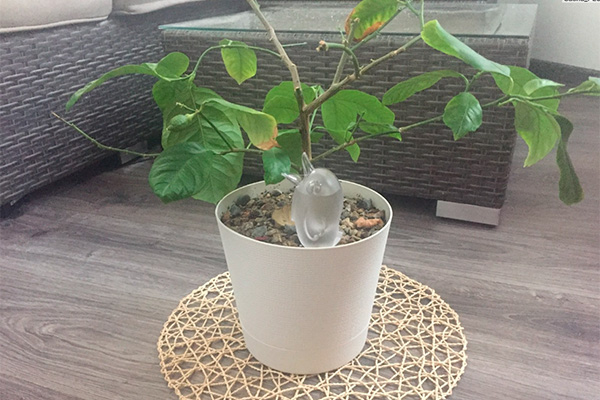
Problems and mistakes when growing lemon at home in a pot: how to avoid them
Growing lemon at home is a fascinating, but not always easy process. Even experienced gardeners can face difficulties, and beginners often make mistakes that can slow down the growth of the plant or even lead to its death. Let's figure out what problems most often arise when growing lemon and how to avoid them.
- Yellowing of leaves. One of the most common problems is yellowing of leaves. It can be caused by several reasons: lack of light, waterlogged soil, lack of nutrients or chlorosis (iron deficiency). To avoid this problem, provide the lemon with sufficient light, follow a watering regime and regularly fertilize the plant. If the leaves turn yellow with green veins, use iron chelate.
- Leaf drop. Lemon can shed leaves due to stress caused by a sudden change in conditions: rearranging the pot, drafts, temperature changes or lack of moisture. To prevent leaf drop, try not to move the plant unnecessarily, maintain a stable temperature and humidity, and regularly spray the leaves.
- Lack of flowering and fruiting. If the lemon does not bloom and bear fruit, this may be due to lack of light, improper fertilizing or lack of a dormant period. To stimulate flowering, provide the plant with bright, indirect light, use fertilizers with a high content of phosphorus and potassium, and in winter, let the lemon rest at a lower temperature (12-16 ° C).
- Root rot. Root rot usually occurs due to over-watering of the soil or poor drainage. To avoid this problem, always use pots with drainage holes and do not allow water to stagnate in the pan. If the roots have already begun to rot, replant the lemon in fresh soil, first removing the damaged areas.
- Dry leaf tips. Dry leaf tips are a sign of low air humidity. Lemon, as a tropical plant, needs high humidity. Spray the leaves regularly, use a humidifier, or place a tray of wet expanded clay next to the plant.
- Leaf curling. Leaf curling can be caused by a lack of moisture, an excess of fertilizers, or pest infestation. Check the soil: if it is dry, increase watering. If the problem is in the fertilizers, wash the soil with plenty of water. If you notice pests, treat the plant with insecticides.
Tip: If you encounter a problem, do not panic. Lemon is a hardy plant that can recover with proper care. The main thing is to identify the cause in time and take action.
Can you eat a lemon grown at home on a windowsill: safety and benefits
One of the most pleasant moments in growing a lemon at home is the opportunity to enjoy the fruits of your labor. But can you eat lemons grown on a windowsill? The answer is yes, but with some caveats. Let's figure out how to make sure that home-grown lemons are safe and healthy.
- Safety of home-grown lemons. Home-grown lemons are usually safe to eat, as long as you haven't used chemicals to control pests or diseases. Unlike store-bought fruits, which are often treated with pesticides and preservatives, home-grown lemons are completely natural. However, before eating, be sure to thoroughly wash the fruit to remove dust and possible contaminants.
- Taste and aroma. Home-grown lemons may differ in taste and aroma from store-bought ones. Their flavor is often richer, and the aroma is bright and fresh. However, the fruit may be smaller in size and the peel may be thicker, especially if the plant has not received enough light or nutrients. To improve the quality of the fruit, provide the lemon with proper care: regular watering, fertilizing and sufficient lighting.
- Health benefits. Home-grown lemon is a source of vitamin C, antioxidants and other useful substances. It can be used to strengthen the immune system, make drinks, dessertsand even homemade cosmetics. Eating home-grown lemons is not only delicious, but also healthy.
Advice: If you doubt the safety of the fruit, for example, because the plant has recently been treated with chemicals, it is better to wait a few weeks before eating. During this time, harmful substances will have time to neutralize.

Lemon tree - your green friend and source of inspiration
Growing lemon at home is not just an exciting hobby, but a real path to harmony with nature. This plant not only decorates the interior, but also brings practical benefits, delighting you with fresh fruits, fragrant flowers and positive energy. With each new leaf, flower or fruit, you will feel proud of your efforts and joy that you were able to create something beautiful with your own hands.
The lemon tree teaches us patience, care and attentiveness. It reminds us that even in a city apartment, you can create a corner of nature that will give freshness, comfort and inspiration. And most importantly, this plant is available to everyone, regardless of experience in gardening. Following simple care recommendations, you can grow a healthy and fruitful tree that will become your green friend for many years.
Don't be afraid to start! Even if the first attempts are not perfect, each mistake will become a valuable experience, and each success - a reason for joy. The lemon tree is not just a plant, it is a symbol of life, growth and fertility. Let it bring not only fresh lemons to your home, but also new bright emotions.
Thank you for going through this journey with us. Now, armed with knowledge, you are ready to become a real gardener and grow your own lemon tree. Good luck, and may your home always be filled with the aroma of citrus and the warmth of nature