Plants-repellents repelling flies and mosquitoes
What are repellent plants and how do they work
Repellent plants are natural helpers that can repel insects such as flies and mosquitoes due to their unique properties. Unlike chemicals, these plants act naturally and safely, releasing specific aromas or substances that are unpleasant for pests, but pleasant for humans.
How do repellent plants work
The main mechanism of repellent plants is the release of essential oils or other volatile compounds. These substances affect the olfactory receptors of insects, creating an unbearable environment for them. For example, mosquitoes avoid areas where citronella or lavender grow because their scent masks the human scent that attracts the insects.
In addition, some plants, such as mint or basil, contain components that can repel insects even when the leaves are lightly touched. This makes them not only effective, but also convenient to use.
Advantages of using plants instead of chemicals
Using repellent plants has many advantages:
-
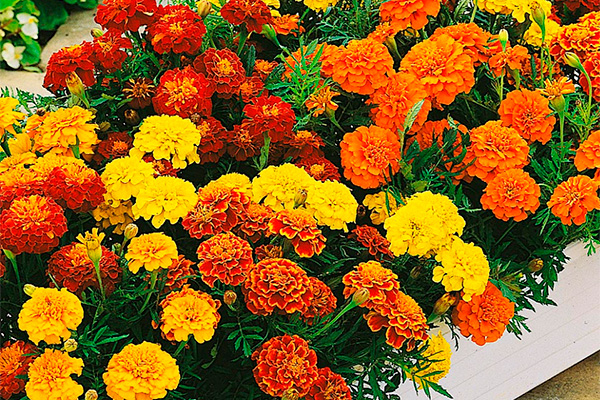
Environmentally friendly: they do not pollute the environment and are safe for people and pets.
-
Aesthetics: plants such as lavender or geranium not only repel insects, but also decorate your home or garden.
-
Durability: with proper care, plants can serve years, providing continuous protection.
-
Multifunctionality: many of them, such as basil or rosemary, can be used in cooking or for aromatherapy.
The Best Plants to Repel Fly and Mosquitoes
If you are looking for a natural way to get rid of flies and mosquitoes, pay attention to repellent plants. Not only do they effectively repel insects, but they also add coziness to your home or garden. Here is a list of the best plants that will help you cope with this task.
Basil - a fragrant protector from insects
Basil is not only a popular spice, but also a powerful remedy against mosquitoes and flies. Its rich aroma, which people love so much, is completely unbearable for insects. Grow basil in pots on a windowsill or in the garden, and it will become your reliable protector.
Lavender is a natural repellent with a calming aroma
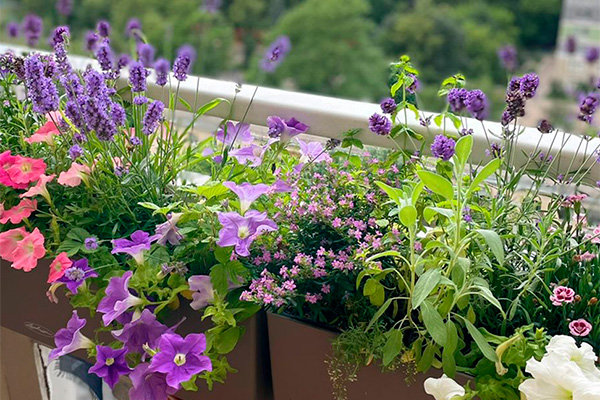
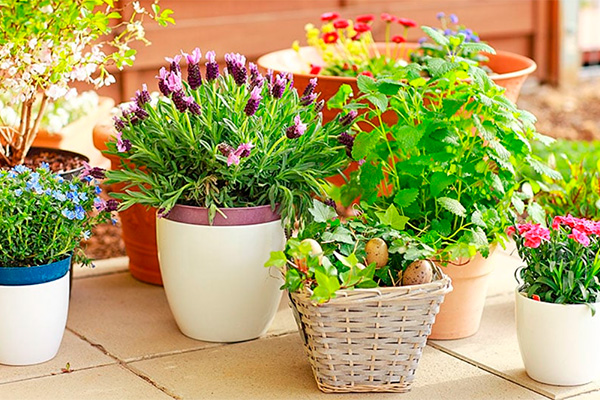
Lavender is known for its pleasant calming smell, which, however, repels mosquitoes and flies. This plant can be grown both in the garden and at home. Lavender will not only protect you from insects, but also create an atmosphere of relaxation.
Mint is a simple solution for repelling mosquitoes
Mint is one of the simplest and most accessible plants for fighting mosquitoes. Its fresh aroma is pleasant for humans, but unacceptable for insects. Mint grows quickly and does not require special care, which makes it an ideal choice for the home or garden.
Geranium is a beautiful and useful plant
Geranium is not only a bright decoration for your interior, but also an effective repellent. Its leaves emit an aroma that repels mosquitoes and flies. Geranium is easy to grow, and it feels great both indoors and outdoors.

Citronella is a powerful natural repellent
Citronella is one of the most famous plants for repelling mosquitoes. Its lemon-like scent masks the aromas that are attractive to insects. Citronella can be grown in pots or in the garden, and can also be used as an essential oil.
Rosemary - a spice and a protector in one plant
Rosemary is a versatile plant that can be used both in cooking and as a protection against insects. Its coniferous aroma repels mosquitoes and flies, and rosemary itself will be a beautiful decoration for your home or garden.
Eucalyptus - an effective insect repellent
Eucalyptus is known for its strong aroma, which repels not only mosquitoes, but also other insects. This plant can be grown indoors, but it requires more care and space. Eucalyptus is also used to make essential oils that enhance its repellent properties.
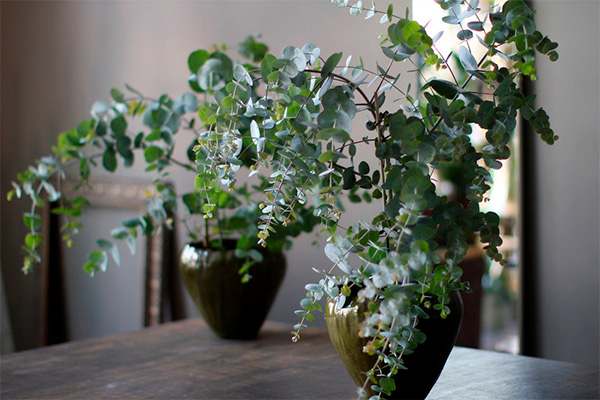
These plants will not only help you get rid of annoying insects, butand add beauty and freshness to your home or garden. Choose the ones you like best and enjoy comfort without chemicals!
What repellent plants can be grown at home
Growing repellent plants at home is a great way to protect your home from insects without resorting to chemicals. Many of these plants are not only effective, but also easy to care for, making them ideal for indoor growing.
Indoor Plant Growing Requirements
There are several factors to consider when successfully growing repellent plants at home:
-
Lighting: Most of these plants prefer bright but diffused light.
-
Watering: It is important not to overwater the soil, but also not to let it dry out.
-
Temperature: Room temperature (18-25°C) is suitable for most plants.
-
Soil: Use light, well-drained soil.
Basil and mint are ideal plants for the home
Basil and mint are some of the easiest plants to grow at home. They grow quickly, do not require complex care and feel great on the windowsill. Basil loves sunlight, and mint prefers partial shade. Both plants can be used not only to repel insects, but also in cooking.
Lavender and geranium - decoration and protection of your interior
Lavender and geranium are not only effective repellents, but also beautiful ornamental plants. Lavender requires bright light and moderate watering, and geranium grows well even in low light. Both plants will fill your home with a pleasant aroma and protect you from mosquitoes and flies.
Features of growing citronella and eucalyptus at home
Citronella and eucalyptus are more demanding plants, but they can also be grown at home. Citronella needs a lot of light and regular watering, and eucalyptus requires increased humidity and space to grow. These plants feel best in large pots and need occasional feeding.
Growing repellent plants at home is not only practical, but also fun. Choose the plants that are best suited to your conditions and enjoy their beauty and benefits!
Tips for caring for repellent plants
In order for repellent plants to effectively perform their task and delight you with their beauty, it is important to provide them with proper care. Here are some tips to help you maintain their health and active growth.
Watering and lighting for repellent plants
-
Watering: Most repellent plants prefer moderate watering. It is important not to allow the soil to become over-moistened, as this can lead to root rot. Check the top layer of soil - if it is dry to the touch, the plant needs watering.
-
Lighting: Almost all repellents like bright but diffused light. Place them on windowsills on the east or west side. If there is not enough light, use phytolamps for additional illumination.
How to use plants to repel insects
-
Placement: For maximum effect, place pots with plants near windows, doors or in places where insects often appear.
-
Aromatherapy: Periodically knead the leaves of the plants to increase the release of essential oils. This is especially useful for basil, mint, and lavender.
-
Drying and Using: Dried leaves or flowers can be used to create sachets or natural sprays. For example, lavender or eucalyptus can be placed in cabinets or used to scent rooms.
Repotting and Propagating Plants
-
Repotting: It is recommended to repot young plants once a year, and mature plants - every 2-3 years. Use pots with drainage holes and fresh soil.
-
Propagation: Many plants, such as mint, basil, and geranium, are easily propagated by cuttings. Simply cut off a healthy shoot, place it in water until roots appear, and then plant it in soil.
-
Pruning: Prune plants regularly to stimulate growth and maintain shape. Remove dry or damaged leaves.

Repellent plants are the perfect solution for those who want to protect their home or garden from annoying flies and mosquitoes without using chemicalsmeans. They not only effectively repel insects, but also bring aesthetic pleasure, filling the space with pleasant aromas. Basil, lavender, mint, geranium, citronella, rosemary and eucalyptus - each of these natural defenders has unique properties and will be a wonderful addition to your interior or garden.
Growing such plants at home is not only practical, but also exciting. With minimal care, you can create a comfortable and environmentally friendly environment free of insects. And thanks to their decorative qualities, your home will become even more cozy and beautiful.
Choose the plants you like, follow simple care tips, and enjoy their benefits and beauty all year round. Nature is always ready to help us, you just have to pay attention to it!