10 best plants for children's rooms

A children's room is a room that needs special landscaping, because the atmosphere of the nursery affects the emotional state, successful development and health of your child. Plants are not just beautiful and pleasing to the eye. They purify the air, fill it with phytoncides (plant antibiotics that destroy bacteria), regulate air humidity, and strengthen the immune system.
Properly selected plants can restore the body's defenses in just half an hour.
Of course, the plants must be safe for the baby. Spiny and poisonous plants should be placed in another room. Predatory plants can scare a child - after all, children have a very developed imagination. Large plants should also not be placed in the nursery - children may become interested in the contents of the flowerpot or knock over an unstable plant on themselves. Capricious plants that do not tolerate touching are also not suitable for a nursery (children usually strive to explore the world not only visually, but also by touch and taste) - You don’t want to constantly pull the child back, protecting the flower?
Taking these basic requirements into account, we have selected 10 of the most suitable plants for a child's room.
Chlorophytum

Chlorophytum is a record holder for phytoncidal activity. It perfectly purifies the air, one of the best green filters. Chlorophytum is easy to care for; its cheerful green leaves will decorate the room and improve your mood. Place the chlorophytum so that the baby, by pulling the hanging leaves, cannot tip the pot over.
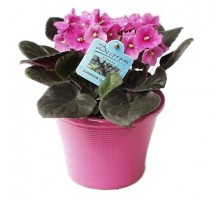
Saintpaulia (violet)

Touching Saintpaulia flowers instill a sense of beauty. Indoor violets will not only introduce your child to flowering crops that can gratefully respond to proper care with almost continuous flowering, but will also help develop tactile senses - touching the fluffy leaves evokes a lot of positive feelings! One of the best plants for growing yourself, a child will be interested in rooting a leaf and growing a blooming miracle while watching it grow. The variety of Saintpaulia flowers will create bright accents in the children's room.
Hibiscus
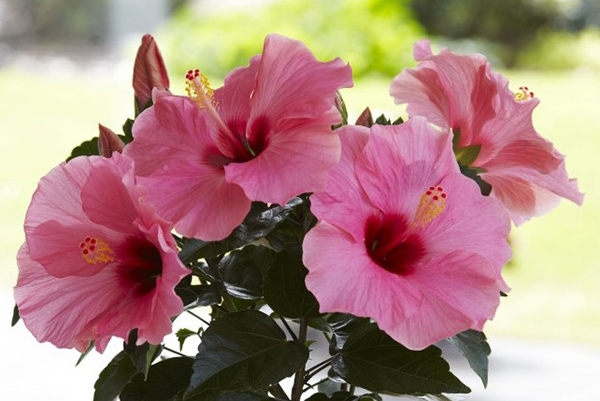
Hibiscus (Chinese rose) has an excellent effect on the composition of the air, characterized by soft lines, glossy leaves and amazingly beautiful flowers. Hibiscus is not capricious and is not afraid of touch or contact. Bright hibiscus flowers create a cheerful atmosphere and can decorate the interior of any children's room. Hibiscus will delight you with flowering from April to October, releasing festive flowers one at a time, similar to gramophones, and your child will look forward to the opening of each bud!
Mandarin (calamondin)
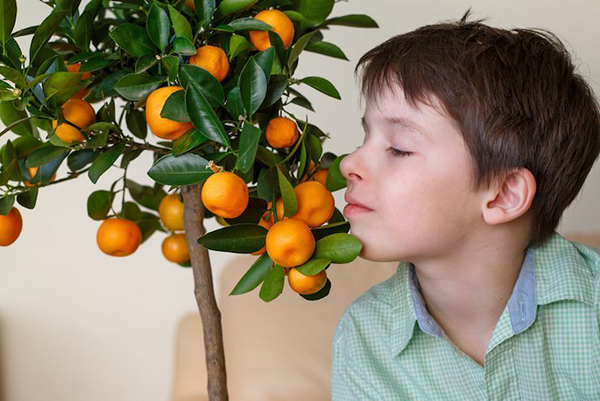
Citrus trees are an excellent plant option for a nursery. Indoor tangerine releases essential oils, which kill harmful microorganisms. A light and unobtrusive citrus aroma improves emotional well-being, calms, relieves irritability and relieves insomnia. Trying to grow a citrus tree from a seed can be an interesting and educational experiment for a child. Small citrus fruits create a warm and sunny atmosphere.
Kalanchoe
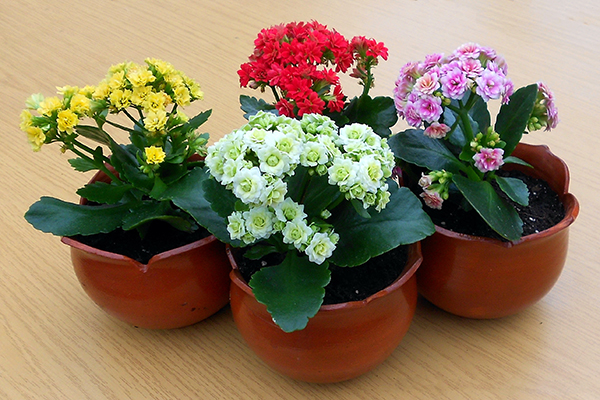
Kalanchoe is sometimes called the house doctor. This plant can reduce the number of harmful microorganisms in the air, and its juice has anti-inflammatory, hemostatic, and wound-healing effects. The abrasions and scratches that are inevitable when exploring the outside world will heal faster. Kalanchoe, like most succulents, is unpretentious in care and sensitive to touch. Kalanchoe blooms with beautiful pink, white, yellow, red or lilac flowers, which create a cozy atmosphere of harmony in the children's room.
Nephrolepis (fern)
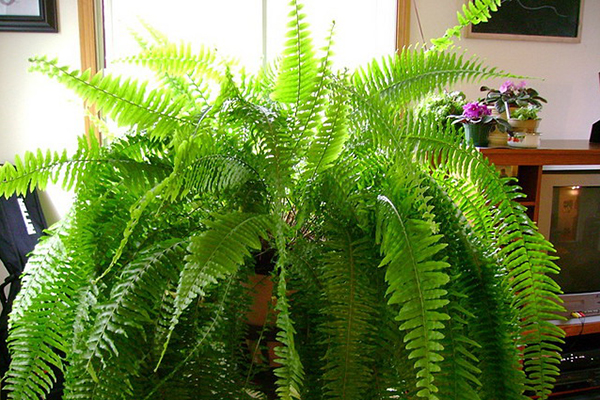
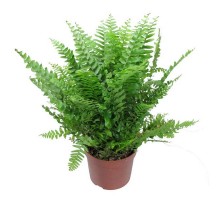
Nephrolepis is one of the most beautiful ferns; it is non-toxic and easy to care for. It is believed that nephrolepsis restores strength and helps fight stress, so this plant is perfect for landscaping a schoolchild’s room. Nephrolepis leaves and stems are flexible and delicate, their green color calms and improves mood.
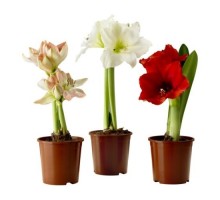
Hippeastrum

The hippeastrum flower is a wonderful plant for preschools and children's rooms. It enriches the air with substances that have a detrimental effect on bacteria and viruses. Hippeastrum contains alkaloids - beneficial substances that have a positive effect on the nervous system. Place a hippeastrum in the room of a hyperactive child - and his sleep will become sound and calm.
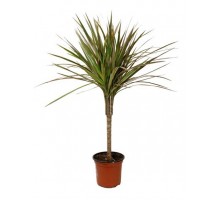
Dracaena

Dracaena is absolutely unpretentious and has a good ability to purify the air from harmful substances. A small palm tree in a children's room is a little adventure that is always nearby. Dracaena is absolutely non-toxic; it does not emit any harmful substances or toxins. Choose a small plant so that little explorers don’t look for treasure at the bottom of the pot or accidentally knock over the flowerpot.
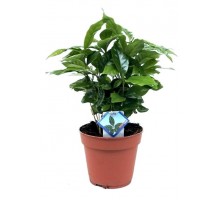
Coffee
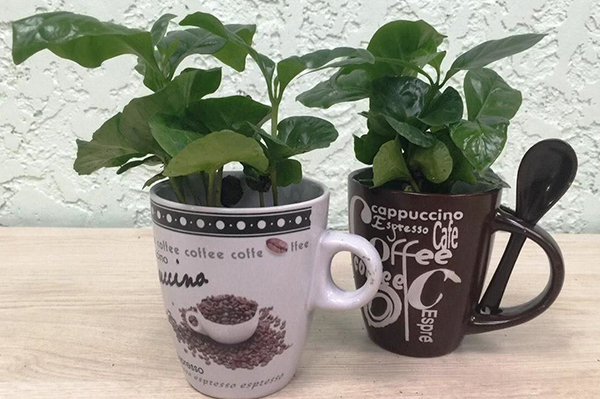
The coffee tree in the room looks very elegant and cozy. Green coffee leaves are champions of air purification and the release of pure oxygen. Fragrant flowers fill the room with a pleasant, unobtrusive aroma, which has a relaxing and relaxing effect.
Laurel
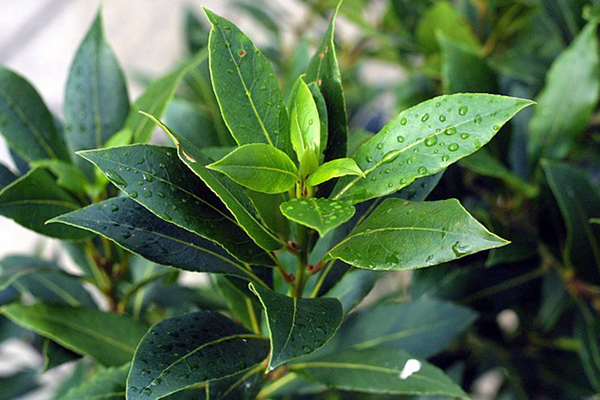
Laurel releases beneficial substances into the air that destroy bacteria. Laurel leaves, the aroma of which is known to everyone, treat sore throat and inflammation of the oral cavity, and have an antiseptic and bactericidal effect. Therefore, if your child picks and chews a laurel leaf, it will not only not harm, but will also be beneficial.
A few more recommendations. When choosing plants for a children's room, you need to take into account the age of the child and the size of the room.
Child's age
Until your child is six months old, you should avoid plants in the room, as they put an additional burden on the newborn baby’s immunity.
After six months, you can place indoor plants in the children's room, avoiding strong-smelling ones. The flowerpot with the plant should be placed in such a way that the baby can see the flower, but cannot reach it; children at that age want to taste everything.
At the age of about a year, when the child is already taking his first steps, it is better to place the plants higher - on high shelves or in hanging flowerpots.
After three years, when children grow up and begin to ask continuous questions, it’s time to tell them about the development of plants, introduce the child to caring for plants, instilling a love for all living things.
Plants help kids learn about the world around them.
Phytoncides – plant antibiotics
Plants with high phytoncidal properties are of particular value for your child’s room or for children’s institutions, kindergartens, and clinics. They help fight harmful microorganisms and bacteria, suppressing their development and protecting the child’s body from various diseases. It has been proven that in rooms with plants with high phytoncidal properties there are 50% fewer pathogenic organisms than in similar rooms without plants. Scientists have found that indoor plants such as chlorophytum, violets, dracaena, yucca, monstera, Kalanchoe, hibiscus, lemon and others have the highest phytoncidal activity.
Summary
Indoor plants are very important for landscaping the interior of a nursery. They purify the air, create a cheerful, cozy, harmonious atmosphere and a beneficial microclimate in the children's room.
Harmony, comfort to your home and health to you and your children!