7 basic principles of phytodesign
Golden ratio
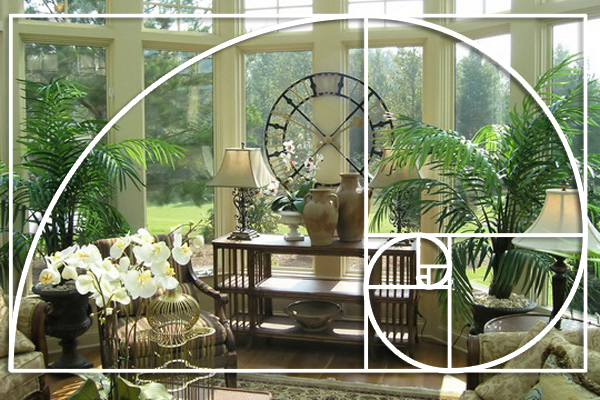
Phytodesign, like any other interior design, is primarily designed to create an environment in which a person will feel comfortable. The principle of the golden ratio has been used since ancient times. Ancient architects used these proportions when designing buildings.
The ratio of 1:1.618 underlies many proportions in the human body; accordingly, if the environment is maintained in compliance with these proportions, not only a visually pleasant effect is achieved, but also a feeling of convenience and comfort.
It turned out that many plants, trees, shells, flowers correspond to the principle of the golden ratio - this partly explains our desire to surround ourselves with plants.
In phytodesign, the golden ratio formula can be simplified. For example, when creating a phytowall, the area for its placement should be limited to a rectangle with an aspect ratio of 1:1.5. Or, placing plants of different heights nearby, it is desirable that one is one and a half times higher than the other - then such a neighborhood will please the eye and look harmonious.
However, the ideal balance of the golden ratio can give the interior excessive severity - do not overdo it.
Proportionality

When designing the decoration of a room with indoor plants, you need to take into account the combination of the size of the plant and its container with the size and shape of the room and its furniture. In a cramped hallway, a large plant will not only look out of place, but will also take up most of the space, creating inconvenience. And vice versa - small plants placed everywhere in a large room will simply fragment the space, disrupt its integrity and can ruin even the most carefully thought out interior.
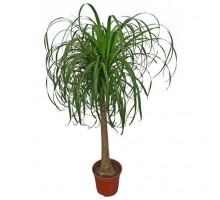
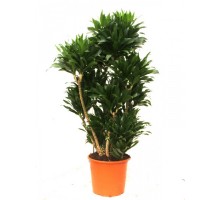
If the room is spacious, you should opt for large, tree-like plants with beautiful leaves - such as bocarnea or dracaena. Tall plants with a straight trunk can visually increase the height of the ceiling, while wide and short ones can, on the contrary, lower the ceiling.
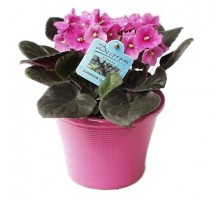
For a small room, it is better to choose plants that do not take up much space and are tolerant of touches - Saintpaulia, Crassula.
Unity
The various design elements of indoor plants should form a cohesive whole. The interior style, whether Provence or high-tech, should be harmoniously combined with the style of flowerpots and pots. For example, if you place a bright red blooming anthurium in a simple metal container opposite an empty white wall, it will create contrast, but at the same time there is a unity of modern shapes and surfaces.
If the interior of the room is in retro style, ceramic flowerpots or even wooden tubs will go with it. This style is designed to bring you closer to nature, emphasizing its simplicity and naturalness, therefore it is appropriate to use natural materials or their imitation.
Contrast
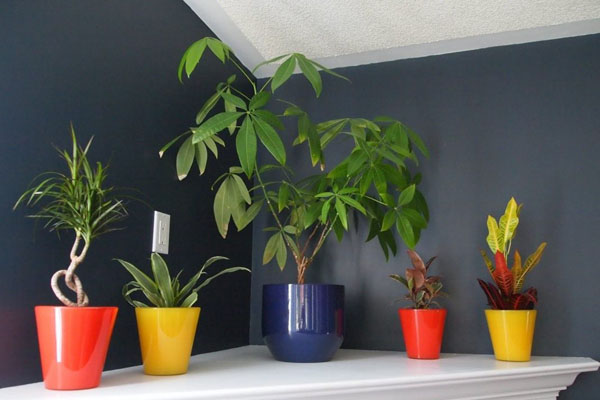
It seems to be a counterbalance to unity, but it is also one of the basic principles of phytodesign. If unity implies that the plant fits into the overall style of the room, then contrast will help emphasize individual details and place accents, or, conversely, distract attention from unsuccessful interior elements. A green plant in a green pot will blend into one spot and look boring. But a flowerpot that is too colorful will distract attention from the plant - so you need to observe moderation in everything, and it’s up to you to decide how to place accents.
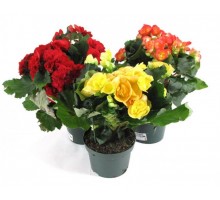
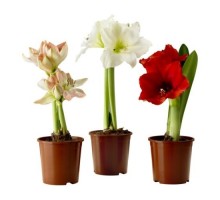
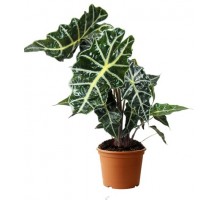
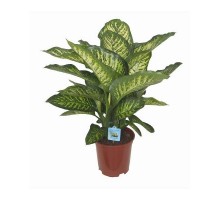
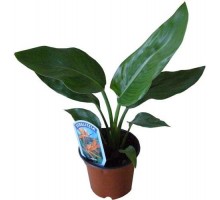
A prerequisite is that on a variegated multi-colored background it is better to place monochromatic plants in neutral-colored pots - radermacher, strelitzia, while flowering plants (begonia, hippeastrum) and plants with variegated leaves (alocasia, dieffenbachia) will sound brightly on a neutral background.
Balance
The composition of plants and pots should be balanced not only physically, but also visually. It is clear that the container with the plants must be stable enough to prevent the composition from tipping over. A visually unbalanced composition can be “balanced” by using plants with large dark leaves, such as monstera.
Two nearby objects may have different “weights” - imagine them on imaginary scales and you will immediately understand how to restore balance and make the visual interaction of these objects balanced.
Color spectrum
When choosing the color scheme of your interior, you need to take into account the functionality of the room. Remember that cool shades soothe, warm shades give energy and encourage action.
There are three main color schemes - monochrome, contrast and polychrome.
A monochrome scheme involves using one color and its shades. Orange and yellow, red and brown, gray and white, blue and cyan. If you want to stay within this scheme, use plants in monochromatic pots and monochromatic leaves.
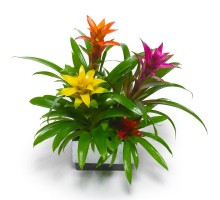
The contrast scheme allows you to use any colors, placing dark elements against a light background, colorful elements against a restrained monochromatic background. For example, colorful guzmania will look very beautiful on a light yellow background. The white background is neutral and goes with any colors.
The polychrome (multi-color) scheme allows you to use colors of flowers and leaves from different parts of the color wheel. But don't forget that too many different colors and shades can lead to overload and chaos.
Dynamics
Dynamism in interior design is determined by objects that force the eye to move from one detail to another. When you create a group flower arrangement, it is important to make sure that the focal points where the eye rests for a while are sufficiently separated. The flowers and leaves used should not create a smooth, uniform surface over a large area. If one plant dominates and distracts attention from the others, it is better to use such a plant in a single composition. It is better to entrust the creation of individual flower arrangements from different plants to a professional - he will take into account your wishes and make a custom-made composition to your taste that will fit perfectly into the interior.
Place the flower arrangement separately from other plants.
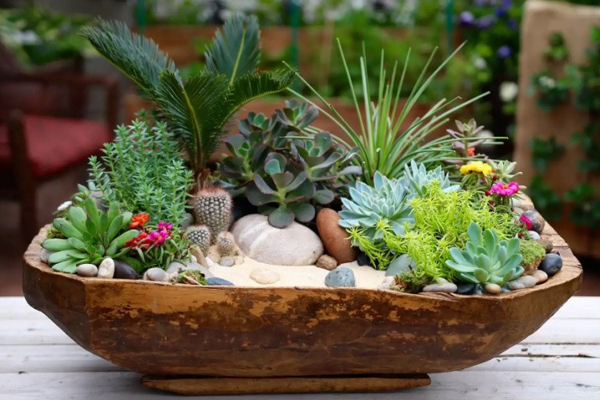
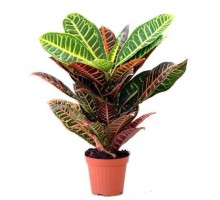
Indoor plants have unique decorative properties. When designing phytodesign, take into account the appearance of plant leaves, their shape, texture and pattern. The variety of plant leaf shapes is enormous - from huge (Monstera) to tiny (myrtle), from whole (Croton) to pinnate (Asparagus).
The variety of textures is also amazing - shiny and matte, smooth and prickly, velvety and even corrugated. And the patterns on the leaves are single-colored and variegated, multi-colored, with veins, etc. What can we say about flowering plants - here you will find such a huge selection of plants of any color and shape that you can get confused.
Take into account the above basic principles of phytodesign, and interior decoration with indoor plants will turn out beautiful and functional.