
Can You Dye and Curl Clip-In Hair: Heat Styling and Color Rules
What Hair Can Be Treated: Natural vs Synthetic
The first step is to determine the type of strands. Natural clip-in hair behaves like your own hair: it absorbs moisture, reacts to conditioner, and after drying has natural movement. Synthetic clip-in strands may have a “film-like” shine, absorb water poorly, and often deform after heating. If you are not sure, it is safer to stick to low temperatures and test on a separate thin strand from the lower row. Caring for clip-in hair always begins with gentle washing and drying, and only then — styling or coloring.
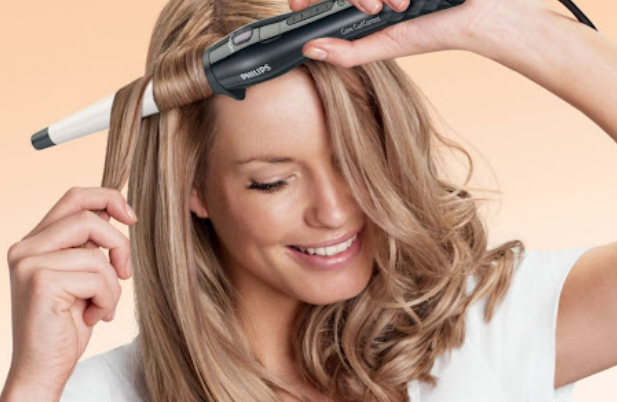
How to Curl Clip-In Hair Without Creases and Overdrying
To understand how to curl clip-in hair, imagine that it is “hair without nourishment from the scalp”: it does not restore itself, so overheating has a cumulative effect. Before styling, the strands must be completely dry; otherwise the moisture inside the fiber “evaporates” abruptly and makes the hair brittle. Use heat protection and work with short touches rather than long pressing. Moderate temperatures are suitable for curling irons and flat irons; on thin and light strands the setting should be even lower. After curling, let the curls cool in shape — this way they will hold longer without additional heat.
Follow a practical principle: it is better to do two light styling sessions than one “at maximum heat.”
- Divide clip-in strands into thin sections so the heat is quick and even.
- Do not clamp areas near the clips: the hair is gathered more densely there and overheats more easily.
- After styling, do not comb curls with a fine comb — separate them with your fingers or a brush with soft bristles.
- Store the strands dry and laid flat to prevent creases.
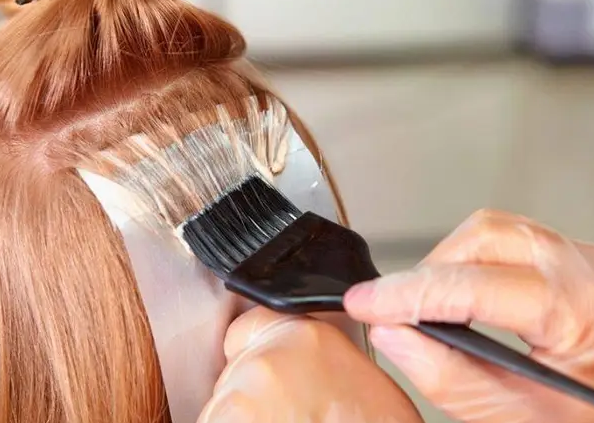
Coloring Clip-In Strands: What Is Realistic and What Is Risky
Coloring clip-in strands is possible only if it is truly natural clip-in hair and you are prepared for the shade to turn out differently than on “living” hair. The safest scenario is darkening or toning into a similar shade. Bleaching and aggressive pigment removal sharply increase the risk of dryness, especially if the strands have already been colored before. For a predictable result, perform a test on a small strand: you will see how quickly the hair absorbs pigment and whether the texture changes.
How to Maintain Quality After Heat and Coloring
After any procedure, the key rule is proper clip-in hair care. Wash them infrequently, only when necessary, using gentle products; apply conditioner along the length and rinse thoroughly. Use masks moderately so as not to overload the strands, and dry naturally or with a hairdryer on a medium setting. If you plan regular styling or tone correction, choose high-quality clip-in hair in the ZIRKOVA catalog — this reduces the risk that the hair will lose softness after the very first procedures.