Why plant leaves turn yellow: the most common causes and solutions
Why do leaves begin to turn yellow?
Leaves change color when photosynthesis processes are disrupted or the plant is experiencing stress. The problem can appear on both lower leaves and young shoots – and this often helps to understand the cause.
Sometimes yellowing occurs naturally, for example in autumn or during the renewal of old leaves. But if the problem appears during the period of active growth, this is a signal of a violation of growing conditions.
Lack of nutrients
Nitrogen deficiency
One of the most common causes of yellow leaves is a lack of nitrogen. In this case, the plant grows more slowly, and the lower leaves gradually become lighter and turn yellow.
Nitrogen is especially important for the formation of green mass, so its deficiency quickly becomes noticeable during the period of active crop development.
Lack of magnesium and iron
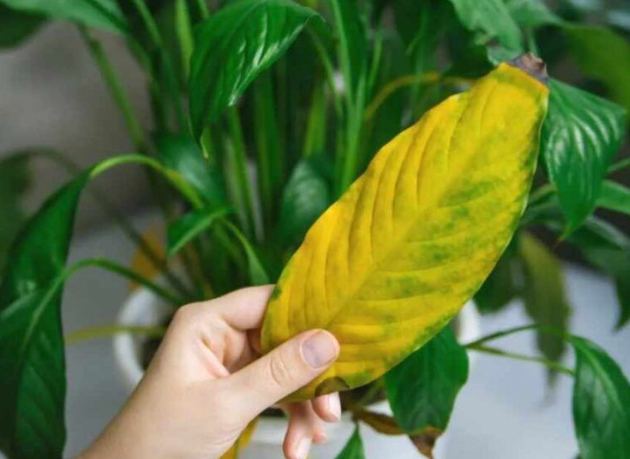
If the leaves turn yellow between the veins, the problem may be related to a lack of magnesium or iron.
With iron deficiency, young leaves are most often affected, while magnesium deficiency usually appears on older leaves. Such symptoms often occur on soils with improper pH levels.
Watering mistakes
Excess moisture
Many people think that yellowing leaves mean a lack of water, but excessive watering causes this problem just as often.
When the soil is constantly waterlogged, the roots begin to receive less oxygen. This disrupts the nutrition of the plant, and the leaves gradually turn yellow and wilt.
Stagnant water is especially dangerous for houseplants and crops in greenhouses.
Soil drying out
Prolonged lack of moisture also causes stress in plants. At first, the leaves may lose their firmness, and then turn yellow and dry out at the edges.
In hot periods, the problem manifests itself especially quickly in plants with a shallow root system.
Lighting problems
Light directly affects photosynthesis, so improper lighting often causes a change in leaf color.
Lack of sun
In low light, plants become elongated and weaker, and the leaves gradually turn pale. This often happens with houseplants or densely planted crops in a greenhouse.
Excess sun
Direct sunlight can also be a problem. In some plants, the leaves get burned, turn yellow in spots, or dry out at the edges.
Young seedlings and ornamental crops are especially sensitive to overheating.
Diseases and pests
Sometimes yellowing of leaves is not related to care, but to fungal diseases or pests.
Among the most common causes:
- spider mites;
- aphids;
- fungal infections;
- root rot;
- bacterial infections.
In such cases, yellowing is often accompanied by spots, coating, or deformation of the leaves.
Why is it important to consider the condition of the soil?
Even proper watering and fertilizing do not guarantee plant health if the soil is depleted or has an unsuitable pH.
For example, in overly acidic soil, some elements are less absorbed by the roots. Because of this, the plant may experience a lack of nutrients even with regular fertilization.
That is why periodic checking of soil condition helps to avoid many problems even before symptoms appear.
How to help plants recover?
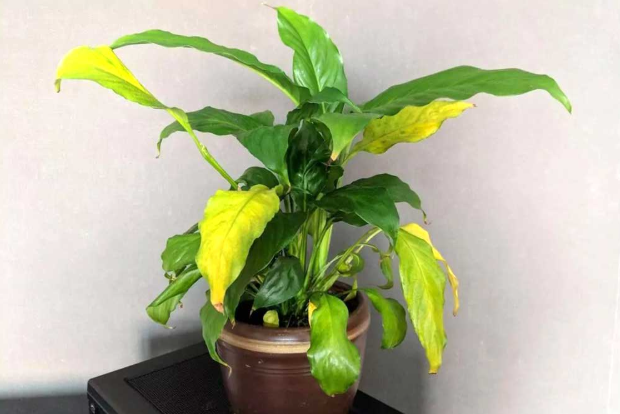
First of all, you should determine the cause of yellowing, rather than trying to immediately use all possible fertilizers or preparations.
In many cases, it is enough to:
- adjust watering;
- improve drainage;
- normalize lighting;
- apply moderate fertilizing;
- remove damaged leaves;
- check the plant for pests.
An integrated approach usually gives a much better result than the chaotic use of various products.
Yellowing of leaves is not a separate problem, but a signal that the plant lacks comfortable conditions for growth. The sooner you manage to find the cause, the easier it is to restore normal crop development and avoid crop loss. And you can find various types of fertilizers and components for the agricultural sector on the website of the online store Megachem.