
Where does musk for perfumes come from?
Sources and methods of obtaining musk in the modern industry
In a modern laboratory, a perfumer works with a whole range of substances that recreate the effect of “second skin”. To understand the specifics of the material, it is important to understand what musk is in perfumery today – it is primarily a synthetic or plant-based alternative that acts as a powerful fixative and gives the fragrance sensual depth. Modern raw materials lack the sharp animalic smell of the raw secretion; they smell of cleanliness, warmth, and powder.The perfume industry uses three main sources for obtaining musky notes:
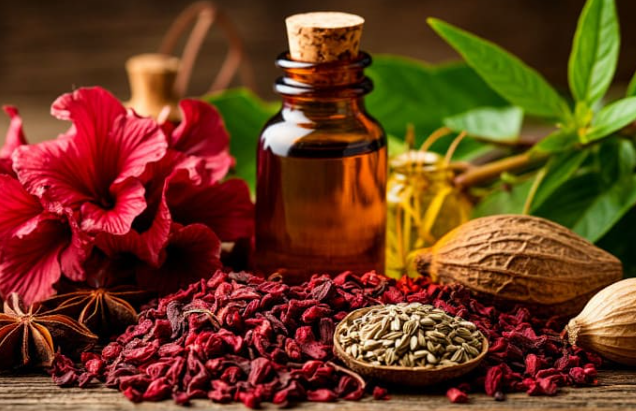
- Plant-based analogues (ambrette seeds, angelica root). These are the most expensive and noble sources. Ambrette seed extract gives a thin, slightly oily and nutty nuance that is very close to expensive animal musk, but is a completely ethical product.
- White musks (synthetic compounds). This is a whole group of molecules (e.g., galaxolide, habanolide) created in the labs of giants like Givaudan or Firmenich. They are responsible for the smell of “freshly laundered linen”, softness, and incredible longevity. Thanks to them, fragrances can last on clothes for weeks.
- Macrocyclic musks. Complex organic compounds considered the pinnacle of chemical synthesis. They have the ability to adapt to the chemistry of human skin, creating an individual and very intimate trail.

As wholesale perfume suppliers Opt Parfum say, fragrance masters value musk not so much for its technical functions in the pyramid. Its molecules are very heavy and large, so they evaporate the slowest. Being in the base, musk holds lighter floral and citrus notes, preventing them from dissipating too quickly.
Moreover, this ingredient has a unique property of “rounding out” the composition. If the formula has sharp edges, pungent spices, or overly harsh flowers, the addition of musk instantly makes the fragrance smooth, velvety, and harmonious. Today, it is a universal component used both in heavy oriental niches and in the lightest aquatic colognes, providing them with the necessary molecular weight and appeal.