A lesson in the history of houseplants. Interesting facts about the history of indoor plants
The history of indoor plants goes back to ancient times. The temples of Hellas were decorated with various wildly flowering flowerpots, lush palm trees and vines. Of course, we will not know who was the first to throw grain into the pot, but there are many interesting facts and references about indoor floriculture.
In the northern countries of the late 17th - early 18th centuries, strange and exotic plants caused a storm of emotions and admiration, but not many could afford such luxury.
Bonsai were brought from Japan,
India was rich in spices
America with orchids and cacti,
Indochina - citrus fruits, but not many plants survived in the harsh climate.

Cold winter 1240 XIII century, the Dutch King William arrives in Cologne, a magnificent reception takes place in incredibly beautiful winter gardens, decorated with shrubs and trees in full bloom.
This is precisely the first mention of the successful cultivation of plants indoors. The experiment in creating winter gardens turned out to be so successful that very soon European monarchs, in an attempt to outdo each other, forced their gardeners to erect special rooms and grow strange plants in them.
Peter I could not resist the temptation; they built a small winter garden for him and kept citrus fruits, which were located in the fresh air in the summer.

To expand the range of greenhouses, it was necessary to experiment a lot; collectors wanted something special. The capricious tropical plants were lost along the way, as they were delivered on sailing ships over many weeks. The scorching sun, splashes of salty sea water, long droughts, the plants dried out without ever seeing their new home.
Although the most unpretentious ones, such as succulents, bulbous and tuberous plants, still reached the shores of Europe. Botanists had many difficulties with cultivation, because the homeland of the plants was approximately known, but through trial and error, scientific discoveries were made.
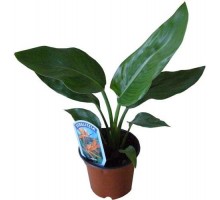
For example, in St. Petersburg, E.L. Regel (director of the Imperial Botanical Garden) grew a marvelous tropical plant from imported seeds and named it Strelitzia nicolai in honor of Nicholas II.

In the mid-19th century, there lived a man named Nathaniel Bagshaw Ward in London. Mr. Ward was madly in love with his tropical plants and devoted all his free time to them. His collection included a huge number of exotic plants brought from different parts of the world; they grew and bloomed beautifully.
But in those distant times, the air in London was filled with smoke, because Londoners burned fireplaces and stoves with coal. Mixing with the fog of the English capital, the greasy soot settled on the walls of houses, on the clothes of passers-by and, much to Mr. Ward’s chagrin, on the leaves of his favorite plants.
He tried to clean them and soon found an ingenious solution to this problem by covering the plants with a small glass flask. It turned out that in addition to protecting against soot, the device helps maintain a stable temperature inside, as well as high air humidity.
The creator named the invention a terrarium.
The British cream of society were very excited about the opening. It is becoming fashionable to place Ward Boxes indoors for keeping exotic plants.
In 1834, Nathaniel Ward designed a “Plant Suitcase” that could even be installed on the deck of a ship. The device protected from direct sunlight and splashes, and the plants needed less watering.
A wide variety of plants began to be brought to Europe, even the most delicate ones: bromeliads, ferns and orchids.
And something incredible began in England! The mass passion for orchids took the form of a real mania; crazy amounts of money were paid at auctions for new species, and both kings and artisans bought them.
Labor is in demand; entire expeditions are sent to the areas where they grow (South America). New species were described in dozens and hundreds, new genera and families were identified.
European powers very soon realized that houseplants were a great wealth, and introduced export bans in their colonies, but plants were not only exported. First they were studied, then many of them were transported to colonies in other parts of the world.
After the conclusion of the Peace of Urecht between Holland and France, King Louis XIV received a truly royal gift - a cutting of a coffee tree from Amsterdam. He became the founder of all French colonial coffee plantations. Rubber and clove trees, vanilla, black pepper and other plants began their victorious march through tropical countries through European greenhouses, i.e. managed to become indoor plants.
So, the modern assortment of indoor plants has evolved over two centuries.
At the end of the twentieth century, cacti and orchids can rightfully be called trendsetters in floriculture.