Light and plants

What is the light for plants?
All living things need food and water. For plants, light is food. They use it in a vital process known as photosynthesis, where the light energy is captured by chloroplasts, causing numerous metabolic reactions - one of them creates glucose (food) for plants. Glucose promotes plant growth, so the more light a plant receives, the more energy it will generate and the faster it will grow.
The word photosynthesis consists of two parts: photo - “light” and synthesis - “connection”, “creation”. If we approach the definition in a simplified manner, then photosynthesis is the conversion of light energy into energy of complex chemical bonds of organic substances with the participation of photosynthetic pigments.
The characteristics of light can be divided into qualitative and quantitative.
Quality of light
Quality depends on the color and type of light. Light is energy that comes with different wavelengths, each with its own color. The colors that we see with our own eyes can be useless for plants, because they “see” the light differently than we do. Plants appear green because they reflect green light, so green light is useless for plants. Instead, plants need light that they can absorb and use, such as yellow, orange, red, blue, and violet, as well as invisible light such as ultraviolet light from the sun and some infrared light.
Amount of light
The amount of light depends on the intensity or brightness of the light that reaches the leaves. The more light photons hit the sheet, the more energy is captured and the faster it grows. For example, begonia depends on intense light to maintain rapid growth. The ability of a plant to bloom and bear fruit also depends on intense light. Some plants have mechanisms of self-regulation and even refuse to bloom or drop buds in the middle of the process if they do not receive enough intense light.

Even on a cloudy day, the light on the street is brighter than the solar window in the room, because in the open air, even in the shade, light is reflected from all sides - from 360 degrees around and from 180 degrees of arc in the sky. When the plant is indoors, light usually comes from only one source, such as a solar window, significantly reducing the angles from which light is reflected.
What do the terms "bright light" and "weak light" mean?
- “Bright light” or “full sun” means that there is no obstacle between the plant and the light source (sun window) (curtains or blinds, a tall tree or a building that creates a shadow). Here your plant will receive the brightest or most direct light in the room. Aloe, succulents and palm trees are plants that worship the sun. They should receive direct sunshine at least 6 hours a day. Therefore, it is advisable to put them in the brightest place in the room.
- “Medium light” or “diffused sunlight” is the light that is distributed (transparent curtains) between the plant and the light source (solar window). Anything that partially obstructs the path between your plant and the light source creates this medium light. Ferns and aroid plants (Monstera and Aglaonema) evolved to live on forest litter, so they are used to being protected from the sun. They did not evolve to cope with the bright rays of direct sunlight, so they prefer the conditions of medium light.
- "Weak light" means that direct sunlight will not fall on your plant. It can be a few meters from your light source (sunny window) or in a room with artificial lighting. Low light means less energy and less food. Some plants can survive in low light conditions, such as Sansevieria.
Do not forget that, depending on the time of year and time of day, the sun changes its position, affecting how much light your plant will receive.
Plants have three main reactions or reactions to light. These are photosynthesis, phototropism and photoperiodism.
- Photosynthesis is a process in which organic matter is formed from carbon dioxide and water in the light, and all life on earth depends on it. The radiant energy of the sun is converted into chemical energy.
- Phototropism is the movement of a plant in response to light. We all saw indoor plants that lean toward the window. Growth hormones are produced that cause stem cells to grow more actively on the sunny side, causing the trunk to tilt. To solve this problem, turn the plant over to the other side every two weeks, or move it to the place where the lighting covers most of the plant.
Speaking of permutation. Not all plants like to move around. Rearrangement can temporarily damage the plant before it adapts to new lighting.
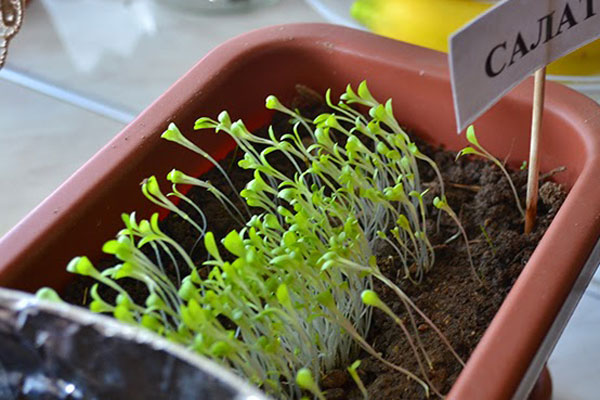
- The most interesting answer is photoperiodism. This is a plant response to darkness, which is controlled by the phytochrome pigment of the leaves. Reaction controlThere are several different plant reactions, including seed germination, stem lengthening, dormancy, and flowering in plants sensitive to day length.
How to determine if your plant has enough light?
Not enough light:
- Flowers don't bloom
- Weak, slow growth
- Yellowed leaves, leaf drop
- New leaves grow less than usual
- Decorative leaf lose their variegation of color
Oversupply
- Flowers dry and die quickly
- Leaves dry and fall
- Leaves are falling
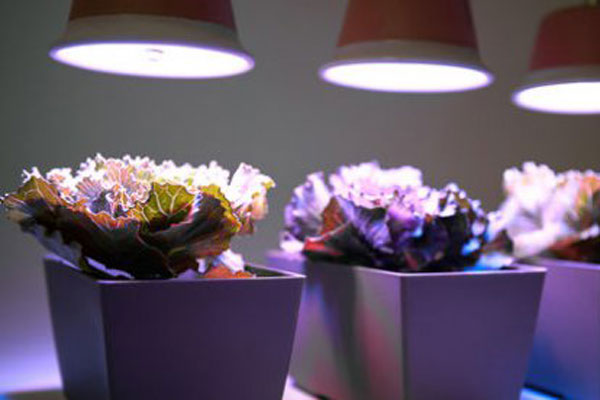
Some plants may need artificial lighting to grow well indoors. In winter, in a temperate climate, only 7 hours of daylight (not to mention sunlight), so you may need to provide artificial lighting, especially for those who need up to 12 hours a day. The use of artificial lighting is an ideal way to grow in a windowless room and for propagating plants.
Some types of orchids, hippeastrum, passiflora and other warm and photophilous plants often need additional lighting.
Plant arrangement
Arranging plants in groups is a way to offer each plant a different amount of light. A plant that needs more light than others can be placed in front, followed by plants that like to be in the shade. It is also a great opportunity to improve moisture levels thanks to water vapor from moist soil.
Rest period
Plants, like us, need a rest. Do not assume that lighting plants more than 12 hours a day will improve growth and will only benefit. In fact, an overabundance of light stimulation tires and drains the plant.
Remember, light is food for plants. Before choosing plants, make sure that you understand how much natural sunlight your plant needs and how much light your space can provide.
May your green friends always be flowering and healthy!