
Exotic Plants for Growing at Home on a Windowsill
There is a special kind of magic in growing rare and exotic plants on your own windowsill — those that are either impossible to find in an ordinary supermarket or are sold at prices that make you think twice. Imagine harvesting unusual fruits, herbs and vegetables that most people know only from stories or travel impressions.
This is not just an engaging hobby — it is a journey through plants without leaving your home. In this article, we have collected eight crops that require a certain level of skill but generously reward you with unique experiences and flavors from around the world.
1. Physalis (Strawberry Tomato)
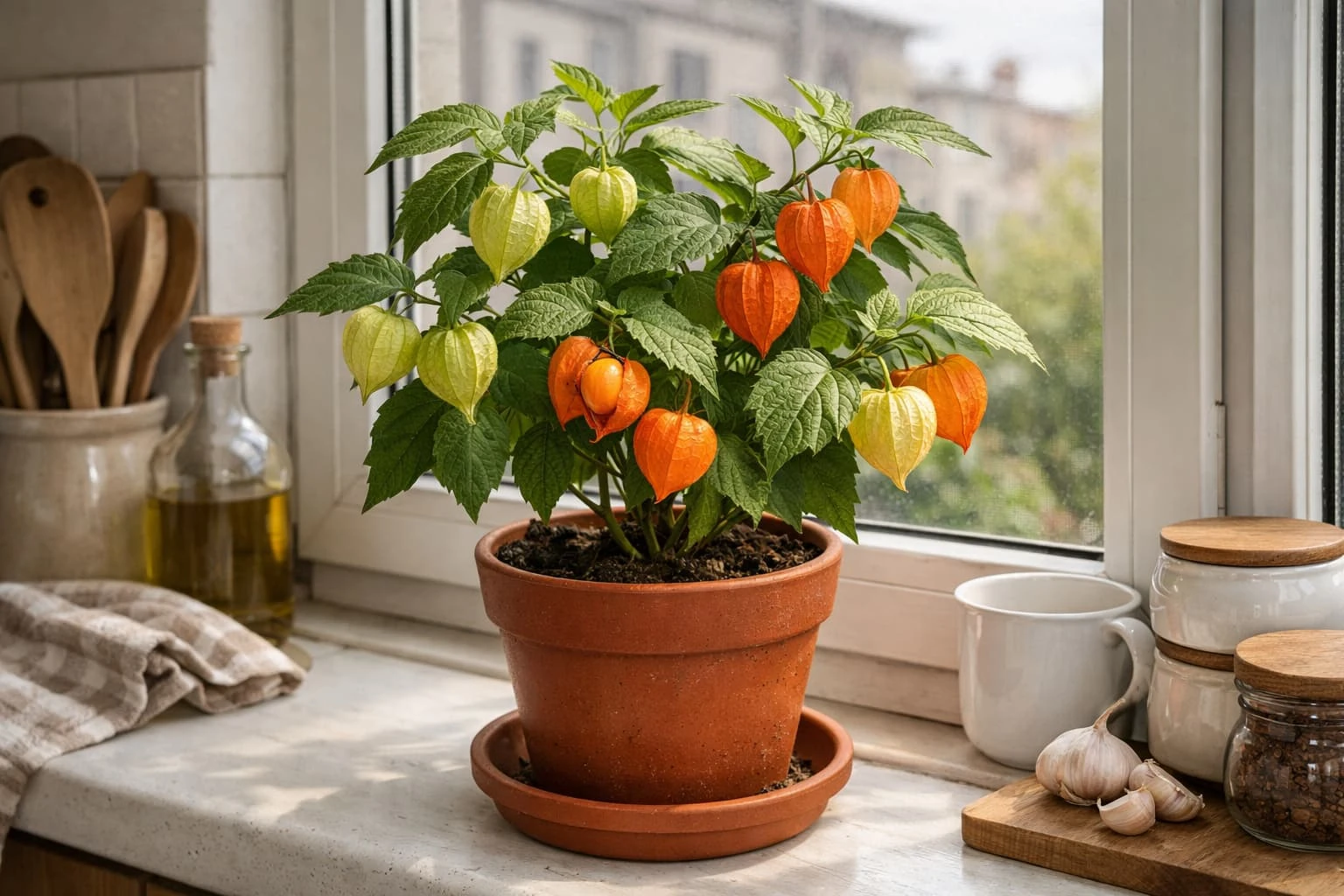
This unusual fruit with a delicate husk looks like a jewel hidden inside a paper lantern. Sweet, with a light tartness and a tropical aroma, physalis has remained a delicacy for gourmets and a curiosity for most people for decades. Growing it at home allows you to discover a flavor that is hard to forget.
Soil: 40% peat, 35% coconut fiber, 15% compost, 10% perlite. Add wood ash to increase the pH to 6.0–6.5.
Lighting: 14–16 hours at an intensity of 400+ µmol/(m²·s). Grow lights are mandatory — physalis is very light-loving.
Watering: moderate, allowing the soil to dry slightly between waterings. Excess moisture leads to root and fruit rot.
Pests and diseases: spider mites, whiteflies, aphids. At high humidity, late blight and gray mold may occur. Regular ventilation and inspections are essential.
2. Momordica (Bitter Melon, Balsam Pear)
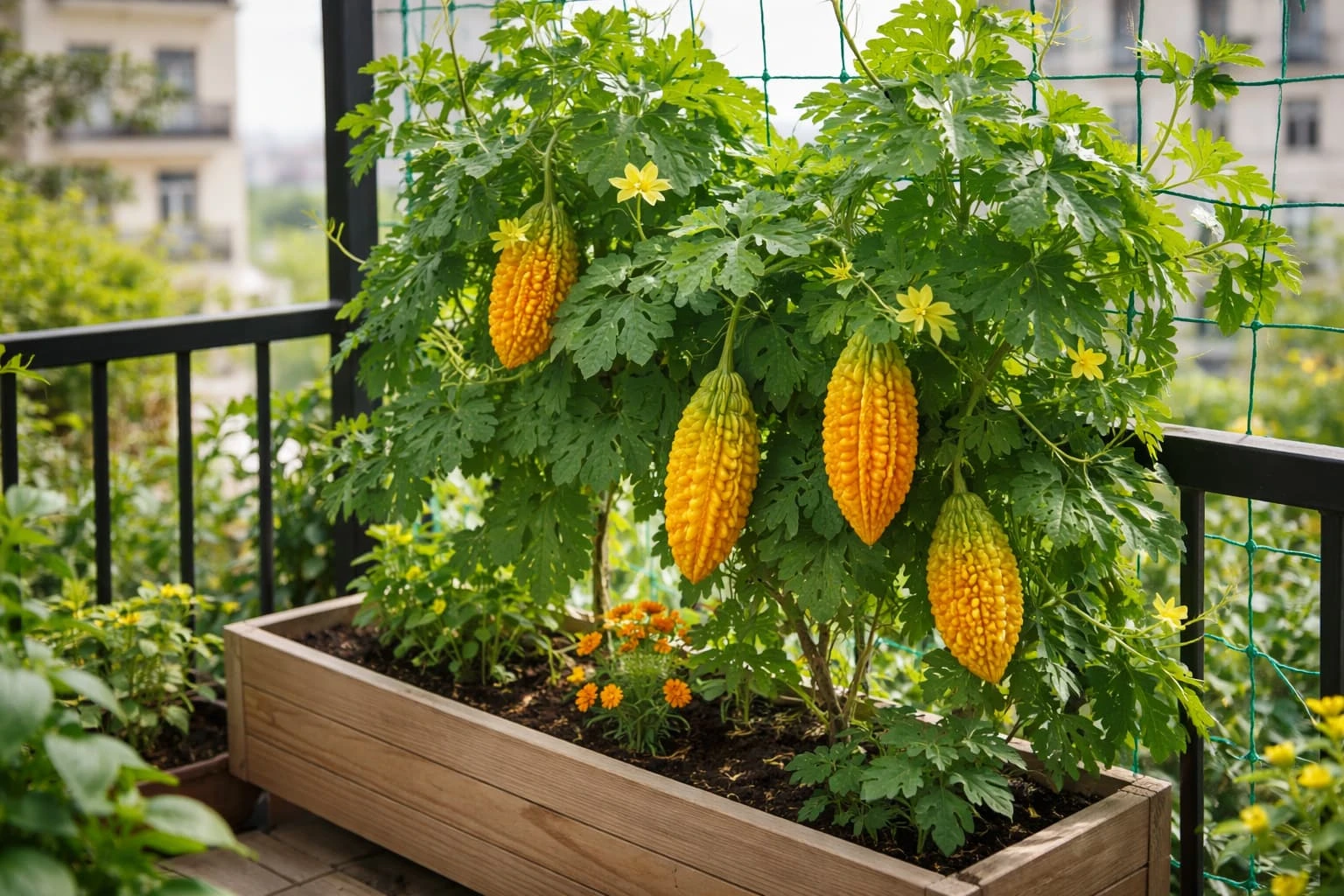
In Asian cuisine, this strange, bumpy vegetable is valued for its bitter taste and unusual texture. Momordica grows as a vine with bright orange fruits that look like works of art on their own. It is a true star of the home garden — exotic and striking.
Soil: 45% nutrient-rich soil, 30% coconut fiber, 15% compost, 10% perlite. Requires soil rich in organic matter.
Lighting: 14–16 hours at 450+ µmol/(m²·s). The vine needs support and good lighting.
Watering: abundant during the growing season; the soil should not dry out. Water must be at room temperature.
Pests and diseases: spider mites, aphids, whiteflies. Powdery mildew may occur with poor air circulation.
3. Kumquat (Dwarf Orange)
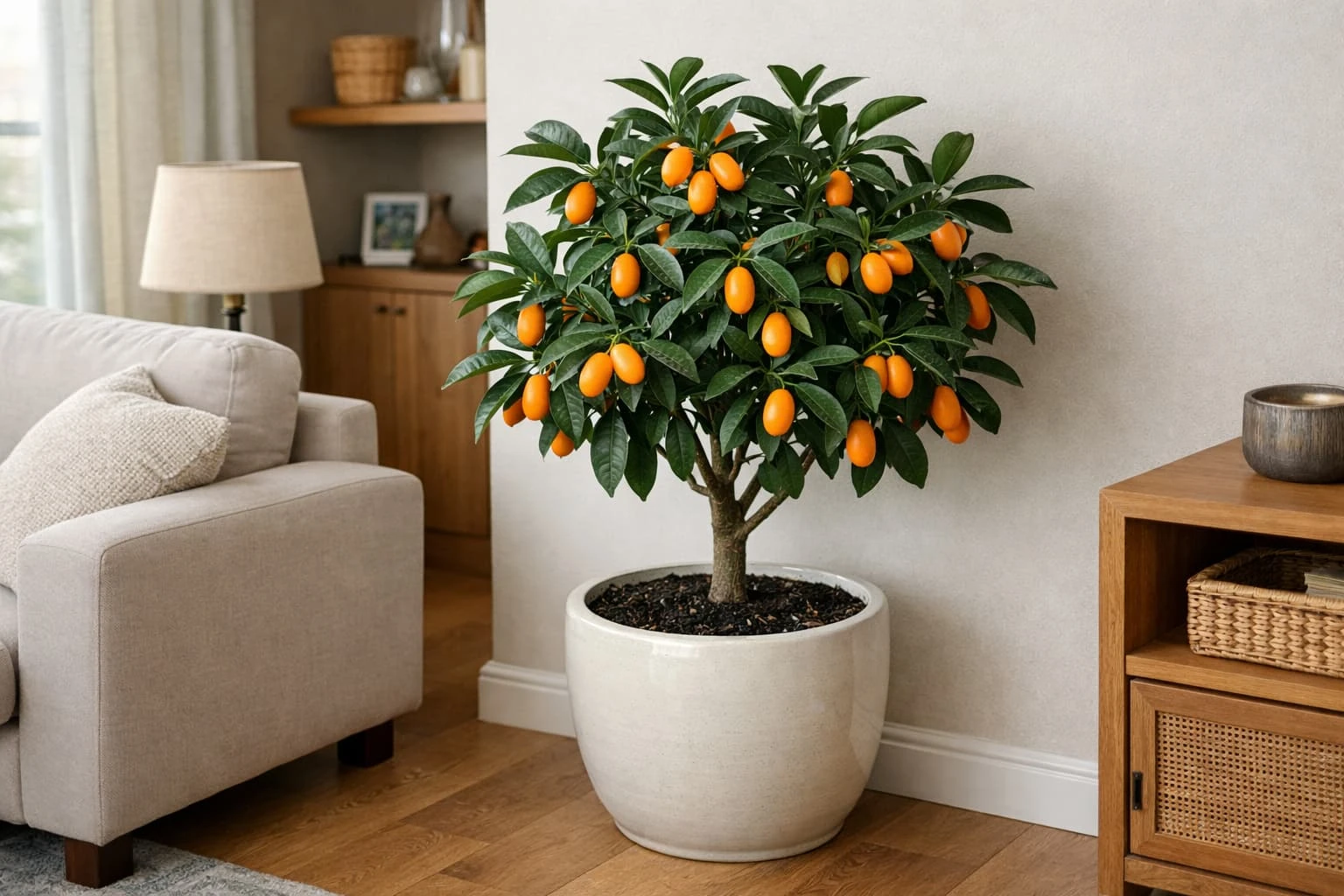
These small golden fruits are eaten whole — together with their sweet, aromatic peel. If you have dreamed of a home orange tree but are not ready for its size, kumquat is the perfect compromise. Even a few fruits per year fill the home with a true citrus aroma.
Soil: 40% universal potting soil, 30% coconut fiber, 15% perlite, 10% charcoal, 5% vermicompost. Good drainage is critical.
Lighting: 14–16 hours at 500+ µmol/(m²·s). Supplemental lighting is required in winter.
Watering: moderate, allowing the top 2–3 cm of soil to dry out. Sensitive to overwatering.
Pests and diseases: scale insects, mealybugs, spider mites. Excess moisture may cause late blight. Warm misting positively affects plant condition.
4. Lemongrass
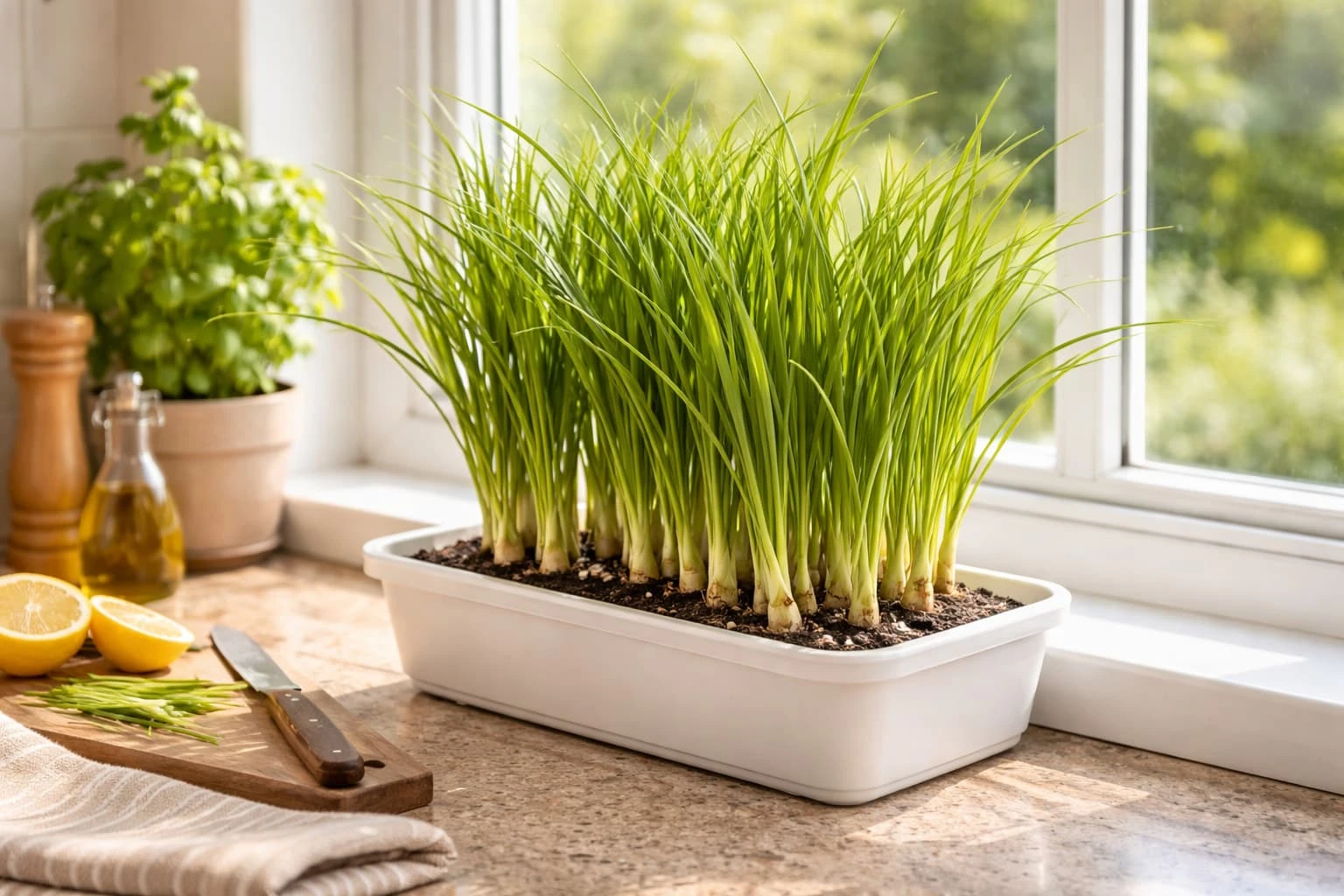
This is not just a herb — it is the soul of Thai and Vietnamese cuisine. Lemongrass has a complex aroma with notes of lemon, ginger and geranium. One cut is enough to fill the room with a scent that transports you to the streets of Bangkok. It is rarely found in stores, yet grows surprisingly well at home.
Soil: 40% universal soil, 30% coconut fiber, 20% compost, 10% perlite. Prefers slightly acidic soil (pH 6.0–6.5).
Lighting: 12–14 hours at 300+ µmol/(m²·s). Tolerates partial shade, but stronger light enhances aroma.
Watering: regular; the soil should remain moderately moist.
Pests and diseases: rarely affected indoors. The main danger is root rot from overwatering. Spider mites may appear in dry air.
5. Yuzu (Japanese Citrus)
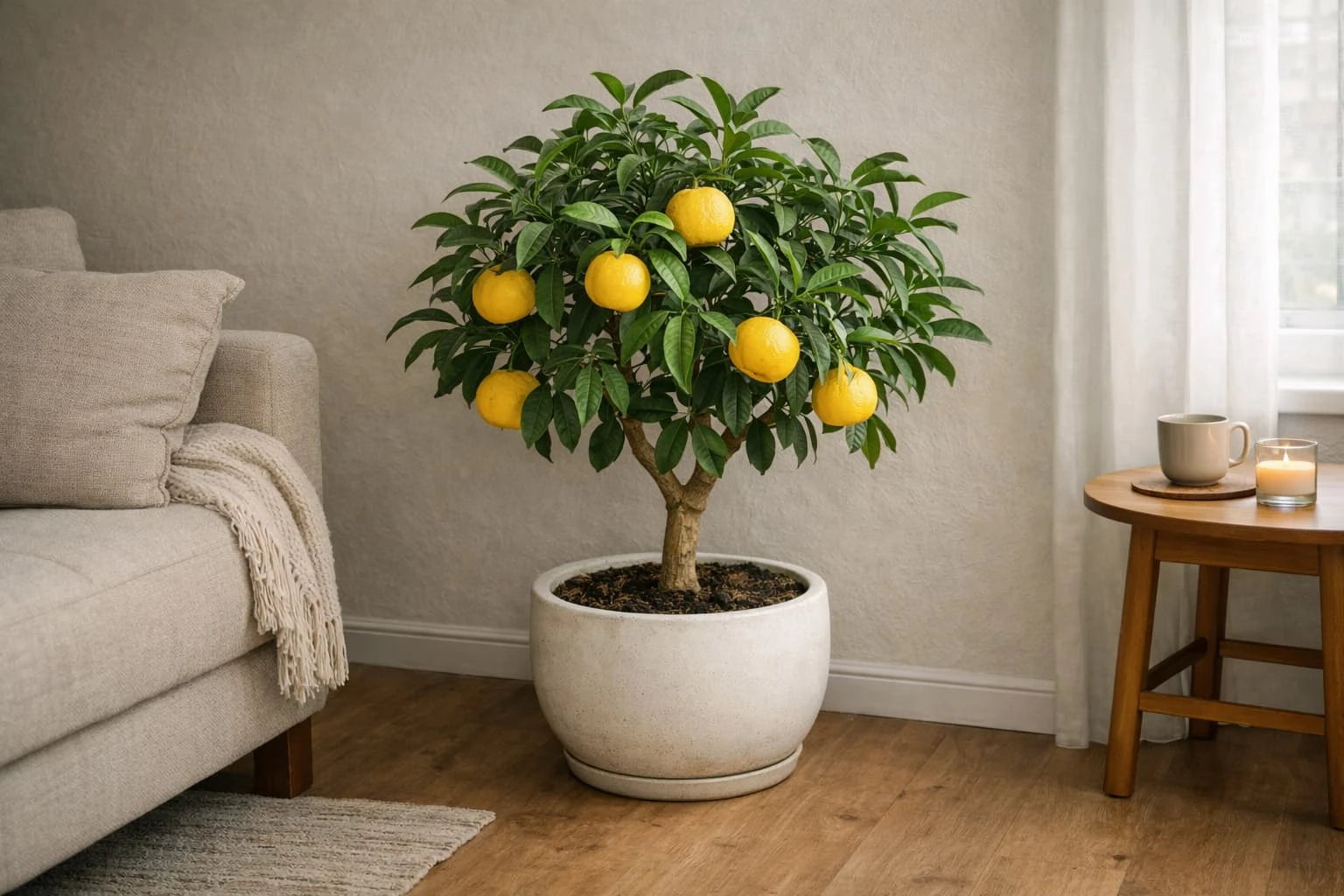
Yuzu has been beloved by the Japanese since childhood. This irregularly shaped citrus fruit with sour, intensely aromatic juice and thick fragrant peel holds a special place in Japanese culture and cuisine. In specialty stores, its price can be quite high, but growing yuzu at home is entirely possible — and very rewarding.
Soil: 40% universal soil, 25% coconut fiber, 15% perlite, 10% charcoal, 10% vermicompost. pH 6.0–7.0.
Lighting: 14–16 hours at 500+ µmol/(m²·s). Especially demanding of light during fruiting.
Watering: moderate, allowing soil to dry between waterings. More drought-tolerant than most citrus species.
Pests and diseases: scale insects, mealybugs, spider mites. Poor conditions may cause late blight and citrus bacterial canker.
6. Rosemary and Oregano (Demanding Herbs)
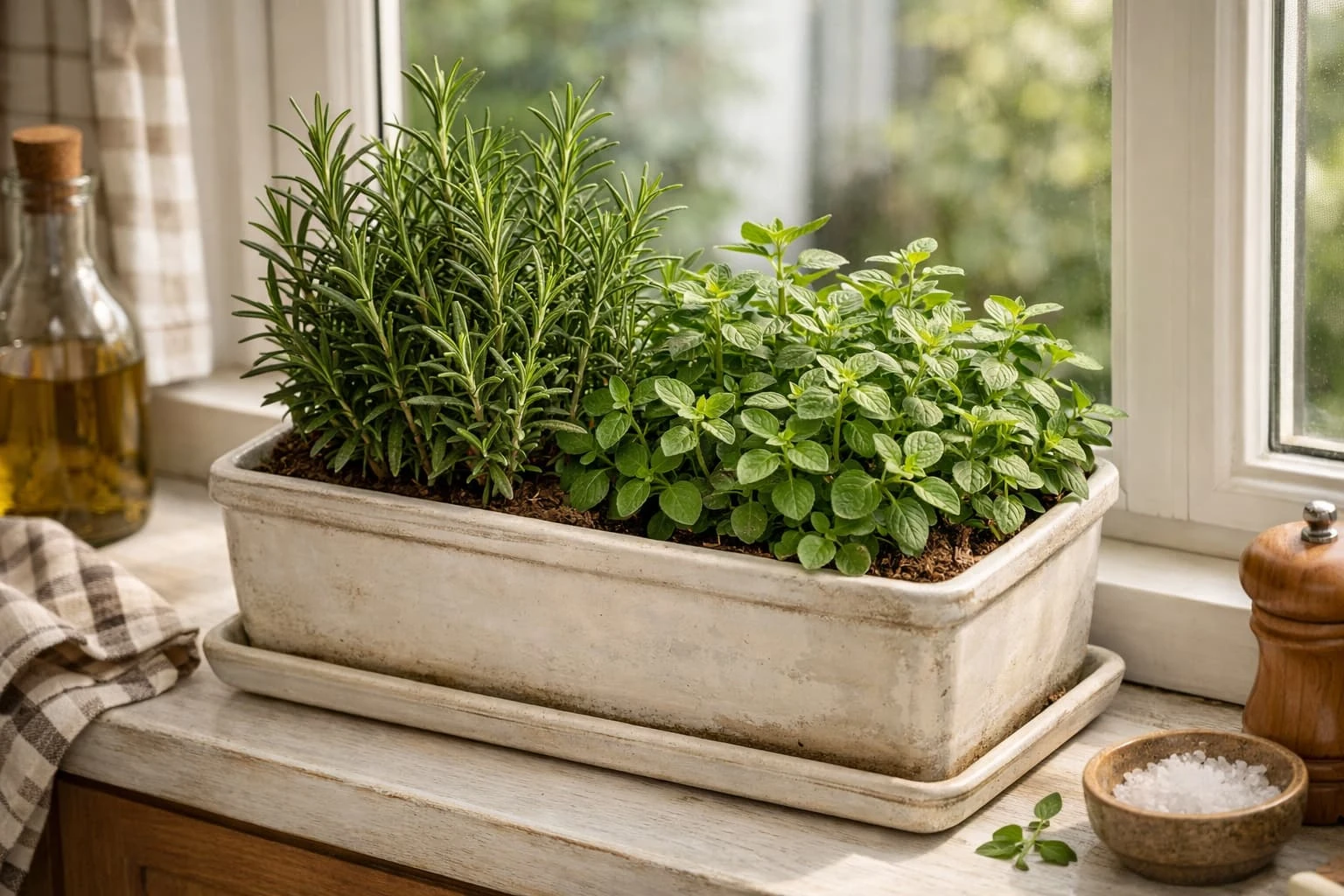
These aromatic Mediterranean herbs are not forgiving of mistakes. Rosemary and oregano value sun, air and moderation in everything. They dislike fuss and excessive care, but with the right approach they delight for years with rich aroma and flavor, turning even a simple dish into a culinary memory of a warm coastline.
Soil: 40% universal soil, 30% coconut fiber, 20% perlite, 10% limestone. Prefer alkaline soil (pH 7.0–8.0).
Lighting: 12–14 hours at 300+ µmol/(m²·s). Tolerate partial shade better than many other herbs.
Watering: minimal. The soil should dry out completely between waterings.
Pests and diseases: root rot from overwatering, powdery mildew due to stagnant air. The main rule is not to overwater.
7. Everbearing Strawberry
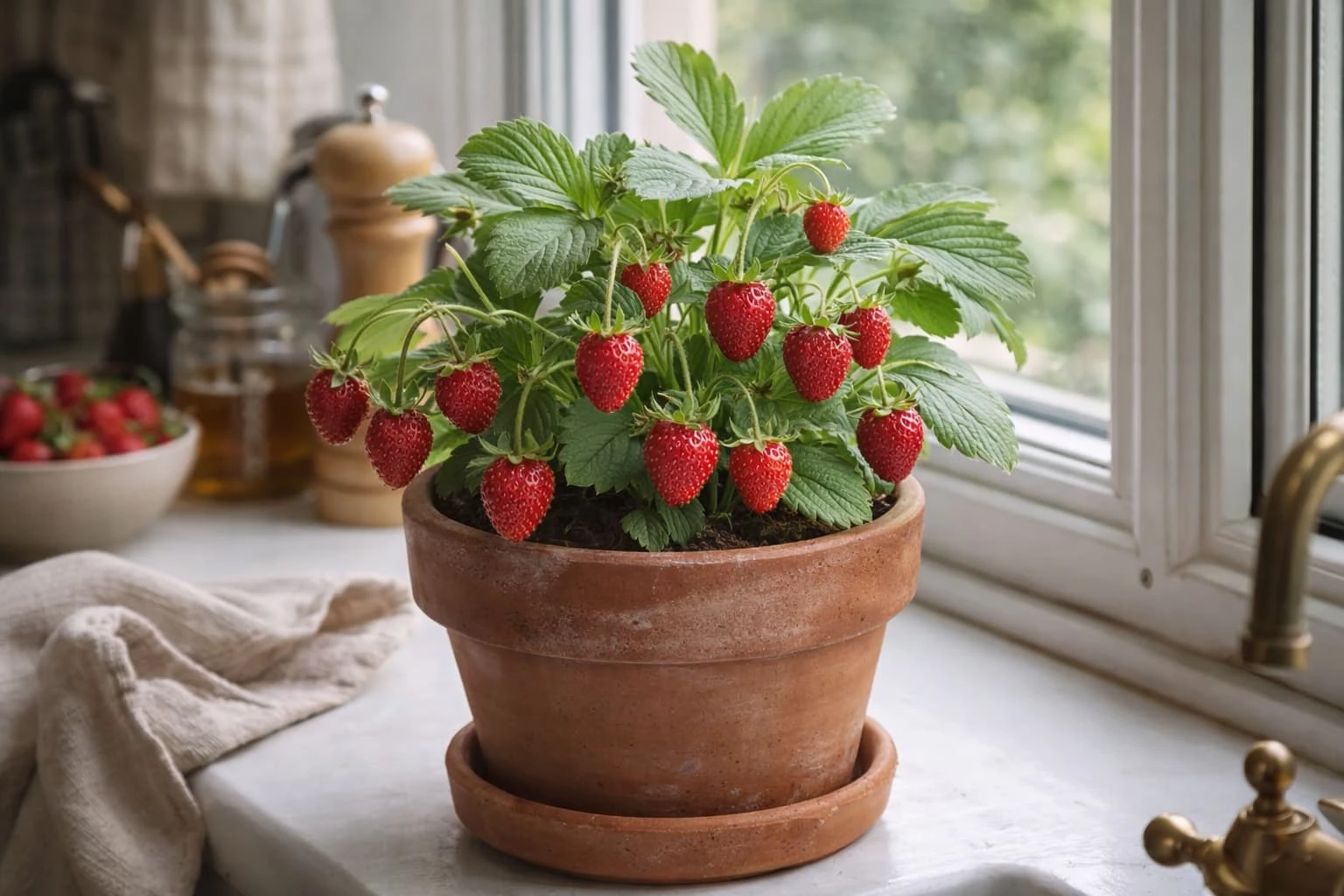
Home-grown strawberries are a small miracle that can delight with berries almost year-round. Everbearing varieties are especially generous but require care and attention. If you are ready to understand the plant’s rhythm and provide stable conditions, you will be rewarded with sweet, aromatic berries straight from the windowsill.
Soil: 40% peat, 30% coconut fiber, 20% compost, 10% perlite. Containers with drainage holes are mandatory.
Lighting: 12–14 hours at 300–400 µmol/(m²·s). Excessively bright light may burn leaves.
Watering: regular and even. Avoid water contact with leaves and flowers.
Pests and diseases: gray mold (Botrytis) is the main enemy. Spider mites and strawberry mites may also occur.
8. Mizuna and Other Japanese Salad Greens
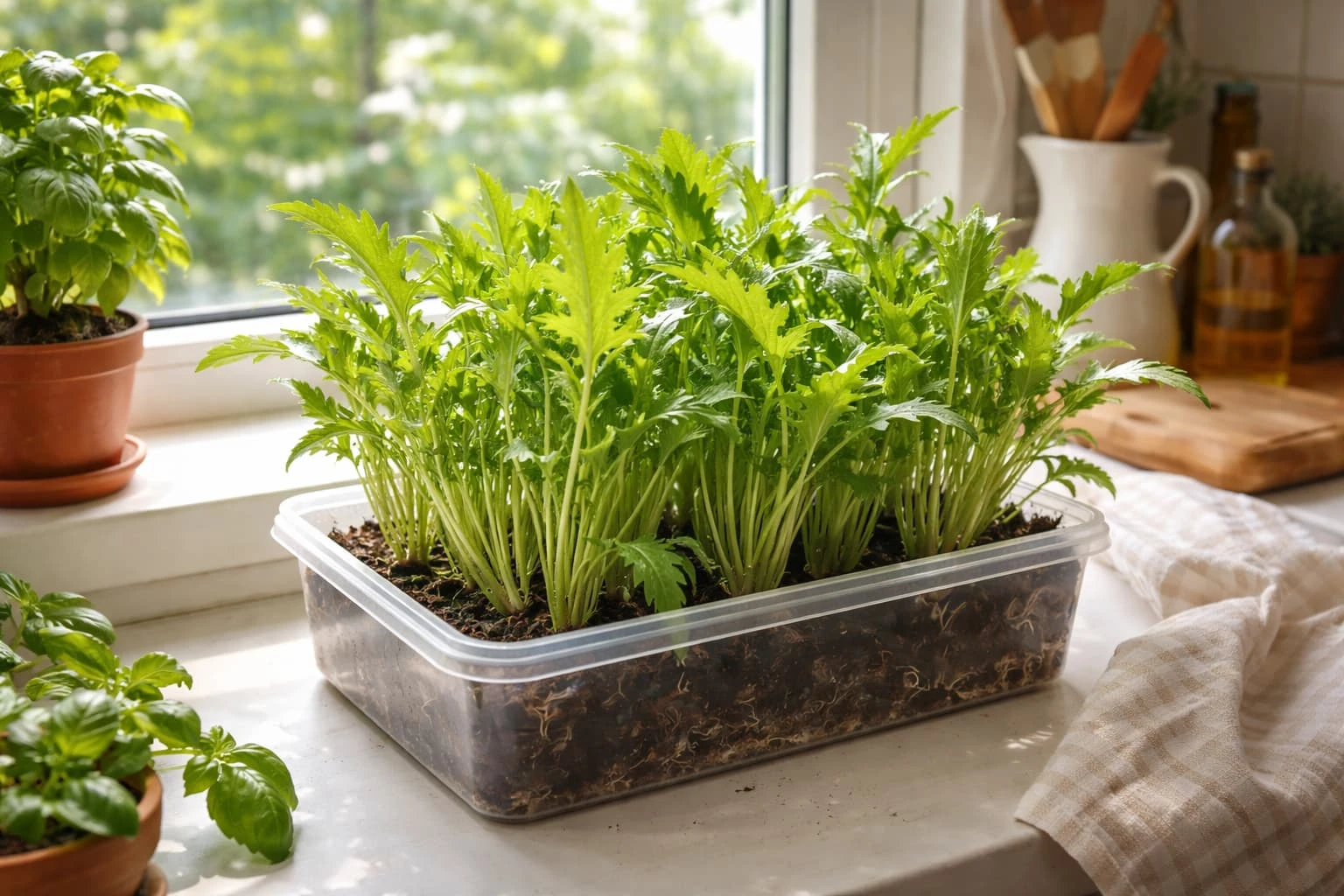
Japanese leafy greens represent tenderness, freshness and balance of flavor. Mizuna and its relatives grow quickly and look modest, but require slightly more attention than common salad crops. In return, they offer a crisp texture and refined taste that complements both Asian and European dishes.
Soil: 40% peat, 35% coconut fiber, 15% compost, 10% perlite. Require regular feeding.
Lighting: 12–14 hours at 250–300 µmol/(m²·s). Excess light may cause bitterness.
Watering: frequent and even. Drying out leads to premature bolting.
Pests and diseases: crucifer flea beetles (even indoors!), whiteflies, aphids. Downy mildew may occur at high humidity.
Growing these exotic crops requires knowledge of basic plant cultivation principles, careful control of conditions and readiness to respond quickly to problems. However, for an experienced gardener, such challenges become a source of inspiration, growth and truly unique flavor discoveries.
If you are just beginning your journey as a home gardener and want to start with simpler but reliable crops, we recommend reading the article “What Can Be Grown at Home on a Windowsill: 9 Easy-to-Grow Plants”. It contains proven options for beginners that will help you gain experience before moving on to more complex and exotic plants.