Flowering indoor plants

Flowering indoor plants are a source of admiration and pride for every gardener. Although many people believe that plants bloom solely for beauty, this is actually not entirely true.
Why do plants bloom?
Flowering for plants is a natural evolutionary process. The bright flowers and scents attract insects, which pollinate the plant by collecting nectar. This promotes the formation of seeds and allows the plant to form new forms, in a word - to reproduce.
Of course, representatives of home flora cannot hope to attract insects unless the flowerpots with plants are located outdoors. However, they continue to bloom and delight the eye.
Why do plants refuse to bloom?

We are all familiar with the situation - we purchased a gorgeous flowering plant at a flower shop, the decorative period has ended after a while, but it is not possible to achieve re-blooming.
The fact is that a plant reaches store shelves at the peak of its decorative potential - this shapes its attractiveness, and, accordingly, its cost. Who would want to buy a faded orchid when all its beauty is in its flowers? Faded plants are usually marked down or sent back to the warehouse until the next flowering.

Florists do everything possible to achieve the most magnificent flowering, in particular, they actively use growth stimulants. After a period of active flowering, especially with the use of artificial stimulants, the plant weakens and needs rest. If, after flowering ends, you immediately begin to re-stimulate it, the plant will not only refuse to bloom, but may even get sick.
Let's say you let the plant rest, but the buds still do not form. There may be several reasons.
Little light
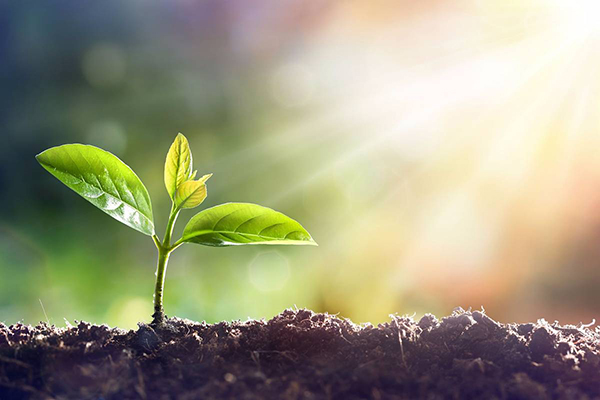
Most plants need good, bright light to bloom. Not necessarily natural - usually plants do not really welcome direct sunlight. Many plants bloom beautifully in artificial light. Therefore, if a plant does not bloom, then first you need to think about whether it has enough light. You should also take into account the length of daylight hours, usually it is at least 10-12 hours.
Nutrient deficiencies
Both deficiency and excess of any type of care directly or indirectly affects the flowering process. Often, beginning gardeners believe that the more you feed a plant, the better it will grow and bloom. This is perhaps one of the most common mistakes. For example, if you “feed” a plant abundantly with nitrogen fertilizers, but forget about potassium and phosphorus fertilizers, then one does not compensate for the other. Use ready-made fertilizer mixtures for a specific type of flower; as a rule, they have a balanced composition that is optimal for flowering. Do not exceed the recommended doses of use, do not increase the concentration.
The plant is dormant

Give your green friend a rest; don't go against nature and wake him up ahead of time. Most plants are in a dormant period during the cold season and do not form either buds or new shoots in winter - this is normal. The exception is some plants that bloom in winter - hippeastrum, cyclamen, azalea and others.
Improper watering
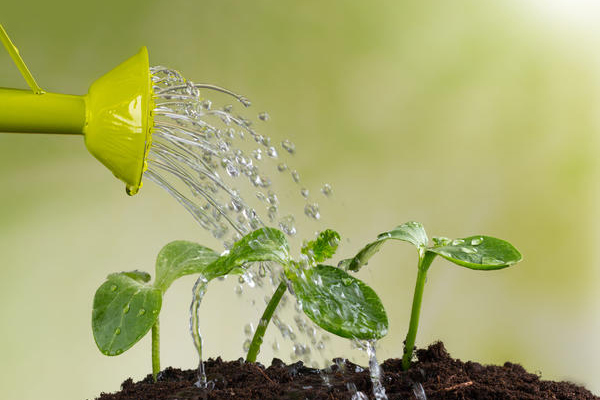
Even novice flower growers understand that if a plant is not watered enough, it will simply dry out, so what kind of flowering is there? If the air in the room is too dry, then frequent watering may not be enough; the plant needs to be sprayed or should be placed on a tray with water or wet pebbles. Spray the plant so that water does not get on the buds and in the axils of the leaves - it is better to spray water around the plant and not directly on it.
On the other hand, excess moisture can also damage the plant and lead to root rot and lack of flowering.
Plant after transplanting or pruning
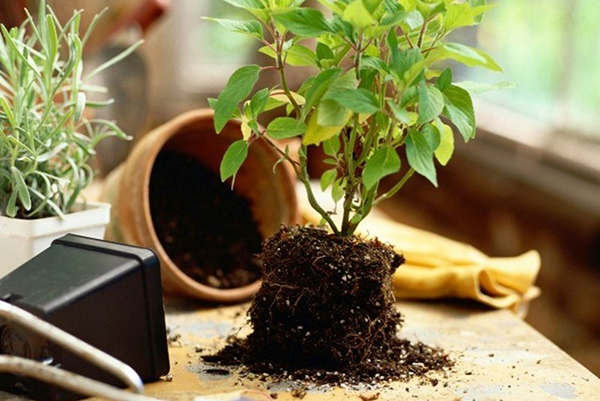
Despite the popular belief that after these procedures the plant needs a long period of adaptation, this is not always the case. For some plants, for example, phalaenopsis, replanting can just stimulate flowering.
If you strive to get the ideal crown shape and constantly prune the plant, then you deprive the plant of several areas where flowering could begin. So here you have to choose between abundant flowering and the formation of a bush.
Unsuitable substrate or pot

Each plant needs soil of a certain acidity. For example, among flowering plants, gardenia and camellia like acidic soil, slightly acidic soil - fuchsia, anthurium, jasmine, spathiphyllum, alkaline - adenium, neutral - aphelandra, pelargonium, rose and others. The soil changes its composition over time, so the substrate needs to be changed at least once every two years, but not too often - after all, replanting is always stressful for the plant.
The pot into which you will transplant the plant should be 3–5 cm larger in diameter than the previous one, the roots should fit freely. Do not forget about the holes at the bottom of the pot and good drainage - rotting roots and lack of oxygen access are unlikely to contribute to flowering.
The plant is sick
A plant affected by pests directs all its energy to fighting the disease, and not to forming buds. In this situation, the flower needs appropriate treatment, and in case of severe damage, also washing the roots and emergency replanting. But you will have to wait a while for flowering.
So, you did everything right, and your pet has finally released the long-awaited buds. And suddenly it drops them or already blossoming flowers. What's happened?
The reasons can be equally different - excessive or insufficient watering, watering with cold water, temperature fluctuations, drafts, moving the plant to a new place, improper replanting, excess fertilizer, attack by pests or disease.
Try to treat the plant with set buds especially carefully and carefully.
Most flower lovers enjoy seeing constant or frequent blooms, but there are those who are up for the challenge of getting plants that rarely bloom to bloom.
Rarely flowering houseplants
- Codiaum very rarely blooms at home; the flowers are not particularly decorative, but have an amazing aroma!
- Hamedorea very rarely surprises with small mimosa-like flowers.
- Sansevieria extremely rarely presents a surprise in the form of a flower, similar in appearance to hyacinth, on a long peduncle.
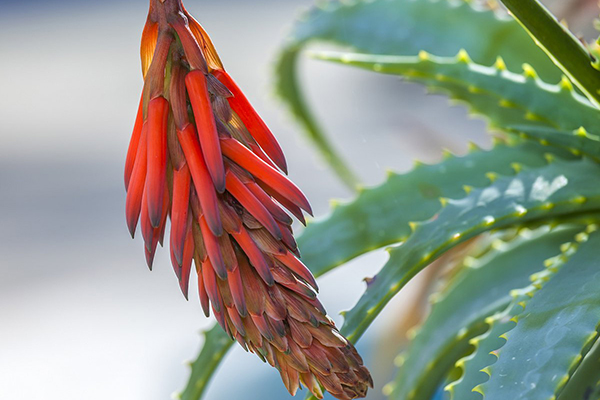
- It’s not for nothing that Aloe is called “agave” - they say that it blooms once every hundred years.
Frequently or constantly flowering houseplants

- Gardenia will delight you with gorgeous flowers from mid-May to early November, if you fulfill all the requirements of this whimsical beauty.
- Saintpaulia blooms long and generously, taking very long rest breaks.
- Cyclamen, changing flowers, can bloom non-stop for about six months. Different types of cyclamen have different flowering periods. So, by combining several different varieties, you will enjoy flowering continuously!
Pelargonium (geranium), balsam, fuchsia, spathiphyllum, hibiscus, anthurium and others will also delight you with long or frequent flowering.
Summary
Flowering for plants is a natural evolutionary process, and for the owner of a flowering plant it is a source of joy and aesthetic pleasure!
Flowering plants and a great mood to you!