Soil and plants

How to choose the best soil for indoor plants?
It would seem that choosing the right soil for your indoor plant is quite simple. Go to the garden center and choose a universal ready-made mixture, or is it even easier to take the outdoor soil from the nearest flowerbed?
It is not that simple. For the health, good growth and flowering of your green pets, you need to consider many factors. What types of plants do you grow? How much sun will they receive? How much water do they like? Do they need additional fertilizer? These are just a few of the questions you should think about before choosing a mix for your indoor plants.

Soil "from the street"
We’ll make a reservation right away - it’s strongly discouraged to take soil from the outside. In addition to the fact that the external soil will have problems with drainage when used indoors, it may contain bacteria that can be harmful to your plants if they enter an enclosed space. An outdoor garden is subject to more airflow in the soil and has better natural drainage than your potted plants. On top of that, the outer soil consists mainly of clay, sand and silt, which are not only quite heavy, but also prone to solidification and hardening when completely dry.
Therefore, only special potted soil is suitable for indoor plants.

Ready mixes
Knowing what should be in the package with potting soil and understanding all the possible ingredients will help you choose which soil is best for your indoor garden. Potted soil often contains peat moss, which retains moisture and can help retain nutrients. You can use peat moss on its own as a mixture for some types of plants, but it may be too acidic on its own for others.
Pine bark is often added to potted mixtures to provide some retention of moisture and nutrients and better drainage. Perlite or vermiculite can be added to retain moisture and increase aeration. Although these materials play a similar role, vermiculite will retain more moisture and perlite will provide excellent drainage.
Organic materials are essential for your plants to receive nutrients, so you often find compost or humus in the mix. Nutrient-rich, moisture-retaining and well-draining soil is usually the perfect mix for most plants. However, some plants require less drainage and more moisture than others, and vice versa.

What plants do you grow?
Different plants like different soils. Species that do not like a lot of water, such as cacti and succulents, will prefer rough soil, which contains a little sand, which provides maximum drainage. If their roots absorb too much moisture, this can lead to rotting of the roots and death of these plant species. You can purchase potted soil designed specifically for cacti and succulents.
Orchids love moisture, but they need a lot of air around the roots, otherwise they can rot. Soils containing a large amount of peat moss, perlite or fir bark will provide the necessary drainage. Some plants, like roses, prefer a slightly more acidic soil, so you should also monitor your pH, depending on how sensitive your plants are.
Sun-loving plants that receive a lot of direct, natural light will need heavier soil that holds a lot of moisture as they dry out faster. The opposite may be true for plants in low light, which spend most of their day hiding in the shade.
Sour or alkaline?
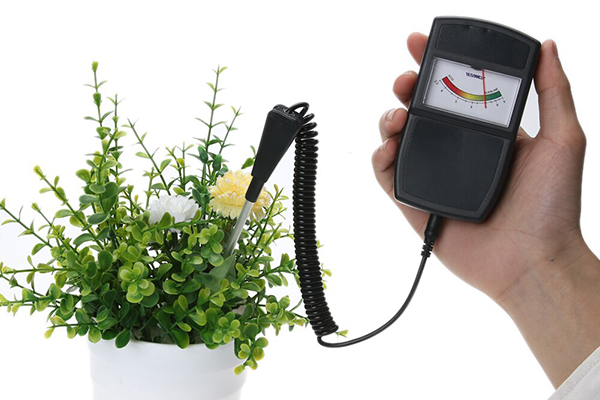
Acidity is a property of the soil due to the content of hydrogen ions in the soil solution. The soil reaction is crucial for plant growth. The reaction of the medium (it is determined by the pH value) is measured in units of 1 to 14.
- Strongly acidic soils - pH 3.5-4
- Very acidic soils - pH 4.1-4.5
- Sour - pH 4.6-5.3
- Weakly acid - 5.4-6.3
- Neutral - pH 6.4-7.3
- Weak alkaline - pH 7.4-8
- Alkaline - pH 8.1-8.5

Sour Soil Plants
Acid-loving plants prefer a soil pH of around 5.5. This pH allows plants to absorb the nutrients they need for growth and development.
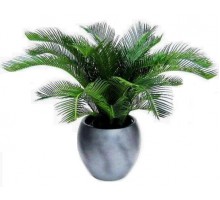
Popular acid-loving plants include azaleas, rhododendrons, gardenias, palm trees, fuchsia, cyclamen, Scheffler, ficus.
Plants that need acidic soil will benefit from mulch of needles, peat or shredded bark - these additives will help maintain a low soil pH.
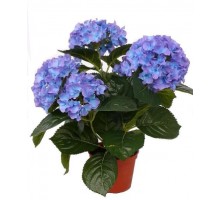
No list of acid-loving plants would be complete without hydrangea. Hydrangea is a true indicator of the pH of your soil. Without a sufficiently low pH, the bright blue flowers of this plant turn yellow-green.
Alkaline soil plants
Plants that prefer “sweet” alkaline soil need soil with a pH above 7. If you need to increase the pH of the soil (that is, the soil is not alkaline enough), add garden lime. If, on the other hand, your soil has too much alkalinity, you can lower the pH by applying a fertilizer containing sulfur / ammonium-N (the label “Ammonium sulfate” may be displayed on the label).
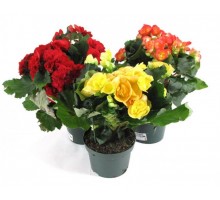
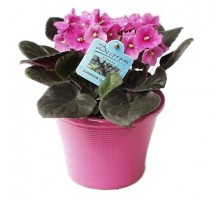
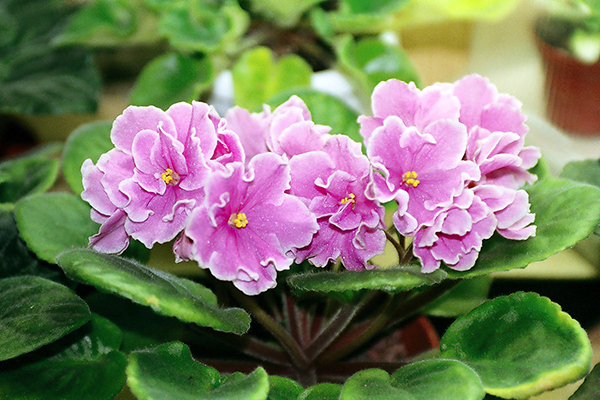
Here are some lovers of alkaline soil: anthurium, balsam, begonia, dieffenbachia, calathea, croton, senpolia, syngonium, spathiphyllium, scindapsus, tradescantia.
Summary
The abundance in the sale of finished substrates for different types of plants, it would seem, eliminates the need to make soil mixtures with your own hands. However, at home it is difficult to verify whether the necessary requirements for the soil are met: the percentage of components required by a particular plant, disinfection, acidity.
Therefore, experienced flower growers prefer to mix the substrate with their own hands, despite the fact that this process is quite time-consuming and time-consuming.
Understanding soils, potting mixtures and fertilizers at first may seem difficult. But as soon as you find out what your specific plants need and compare it with the right combination of soil and fertilizer, you can provide your indoor garden with everything you need so that it is healthy, flowering and bright.
As you become more familiar with the different materials and nutrients your plants need, you may even be inspired to create your own potted mixes.