Air temperature for indoor plants

Most plants grown indoors come from tropical or subtropical countries, where conditions are significantly and consistently warmer than most of our gardens. This makes the temperature in certain rooms in our homes the ideal combination for them to grow well.
What air temperature is optimal for plants?
Most indoor plants feel good at a temperature of 21 - 26 ° C during the day and 15 - 20 ° C at night. This is usually the temperature in our living spaces - apartments and offices.

Simply put, a room temperature that is comfortable for humans is usually suitable for the healthy growth of indoor plants. But this does not mean that you can bring a plant home without taking care of its needs for a special individual temperature regime, the difference in night and day temperatures and other factors necessary for growth and flowering.
Did you know that one of the main reasons why orchids grown as houseplants do not bloom is because they require a 12-degree difference between day and night temperatures? Now you know.
Just like outdoor plants, indoor plants need the proper conditions to thrive. Both humidity and temperature are important factors in the life of your houseplant, and unlike outdoors, only you can control these conditions.
Seasonality

Plants in nature bloom and grow more actively in the warm season. This rule also applies to caring for indoor plants. When a plant is growing, it needs more heat and light than during the dormant period.
In residential areas, the difference between summer and winter temperatures is not as great as outside. Of course, we cannot create conditions for the plant that are identical to growth in living nature, but it is still worth getting as close to them as possible.
Temperature for different types of plants
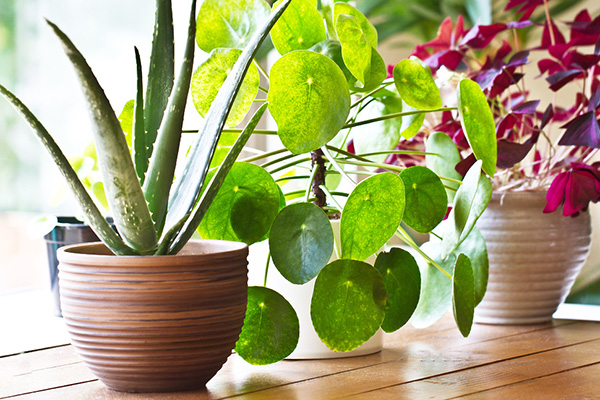
The temperature you should maintain indoors depends directly on the type of plant. There are heat-loving plants, for example, tropical indoor plants (such as hibiscus, anthurium or palm trees) prefer higher temperatures (up to 30 ° C).
By the way, in nature these plants grow at higher temperatures, but they do not tolerate temperatures above 30°C indoors. The main reason they do not tolerate higher indoor temperatures is that they do not have the same conditions, such as air humidity and sunlight, which promote growth without heat limitation.
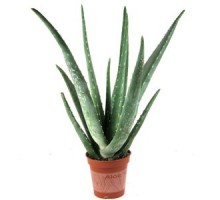
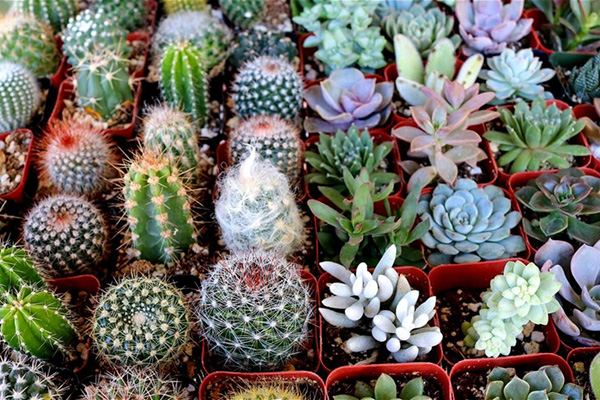
Cacti and succulents are also heat-loving - Crassula (money tree), aloe and others.
Cool season plants, such as poinsettias and azaleas, need cooler temperatures (around 50 degrees F) to bloom properly.
Meanwhile, popular houseplants such as philodendron and sansevieria will thrive in average houseplant temperatures (15°C to 23°C).
Temperature control for indoor plants
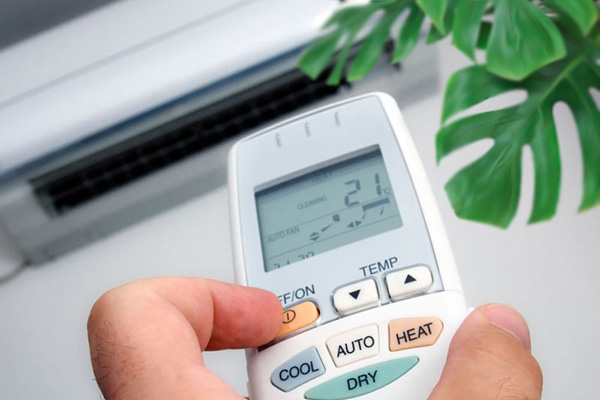
Even tropical plants like air cooler at night than during the day. As a result, healthier growth will occur if the temperature drops 3-5°C at night. Night temperatures naturally drop indoors, especially near windows. You can highlight the changes by turning off heating devices at night if they were turned on during the day. Cooler night temperatures are not only beneficial for house plants and people, but also for saving energy.
Long periods of intense heat can be harmful to houseplants. You can increase ventilation through screened windows or a fan. Air conditioning will also help bring temperatures down to a manageable level, but houseplants should not be placed directly in the path of cold drafts. Since humidity is removed from the air by air conditioning, some means of increasing the humidity may be required, especially in dry climates.
Temperature depending on plant location
Windowsill
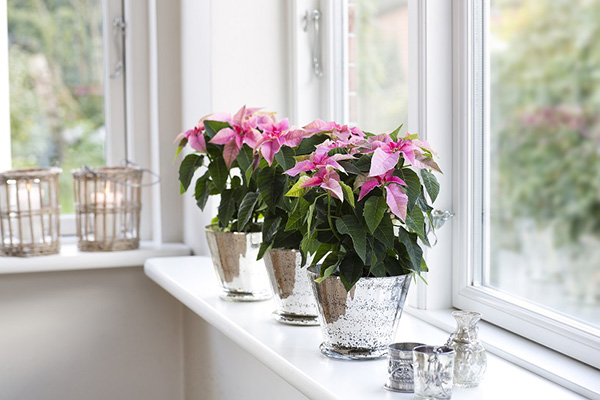
The most common place to place our green pets. But often we do not take into account many details - south or north window? Is there direct sunlight or is the glass covered with blinds? Does the glass fit tightly to the frames or is there a draft? Do the leaves of the plant directly touch the glass (especially in frosty weather or vice versa when the glass is heated by the sun)? See how many variables can affect the temperature in the window sill area?
On the floor
Do not place a floor planter near an outside door that opens frequently - many plants, such as gardenias, are very sensitive to drafts. In addition, the temperature will constantly fluctuate - no plant, except the most unpretentious, will like such fluctuations. Flowers will also not thank you for the proximity of heating devices, so do not place a floor flowerpot near the heating system.
On shelves or in hanging pots
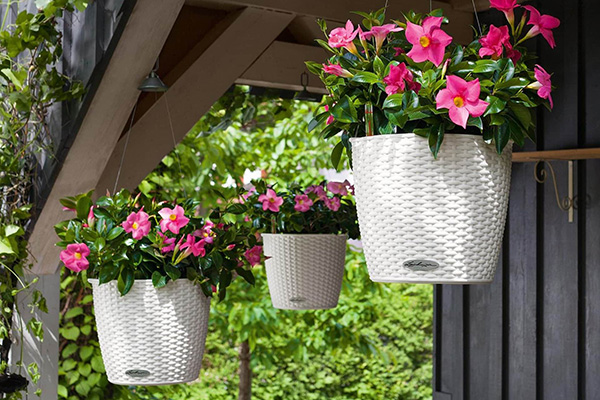
When placing plants on shelves, make sure that they are not exposed to hot or cold air from a stove or air conditioner.
How can you tell if a plant is cold or hot?
Luckily, your plants have ways of showing you that they are not comfortable in their environment. Here are some signs that your houseplant may need a temperature adjustment.
Yellowed leaves
Yellow leaves can be caused by a sudden drop in temperature (i.e. 10°C or more) or a cold draft. Play with your plant's location to see where it does best. Another possible cause of yellowing leaves is excessive moisture or rotting of the roots. Adjust your watering schedule according to the plant's needs and observe the changes.
Falling flowers or lack of flowering
Most likely, the plant does not have enough heat and light. For active growth and flowering, try moving the plant to warmer conditions.
Summary
The best way to create an optimal temperature for plants is to place them away from negative factors - heating devices, air conditioners, drafts. Plants are adaptive, and most of them are suitable for temperatures that are comfortable for humans. So indoor plants are the most loyal and pleasant apartment neighbors! :-)