The benefits and harms of indoor plants

Most of us have at least one houseplant, but we are not always fully
aware of their enormous health benefits. Everyone knows that plants
purify the air, but knowledge is usually limited to this. Indoor plants
are not just decoratively beautiful - they improve our physical and
psychological state.
The benefits of indoor plants
Natural healers
Many plants are real home doctors. For example, aloe vera has many medicinal properties, including the ability to purify air.
Aloe juice can help heal cuts, and is also very effective for burns, including sunburn. The ancient Egyptians recorded the use of this plant in the treatment of infections and parasites. Aloe helps relieve asthma symptoms by inhaling a pair of leaf decoction.
Fresh air
NASA conducted a study to determine which plants help cleanse the air of harmful toxins. Chlorophytum is one of the first plants on the list. Chlorophytum will clean the air in your home from benzene, formaldehyde, carbon monoxide and xylene. These volatile organic compounds are released into the air by household items such as furniture, carpets, and common household appliances.
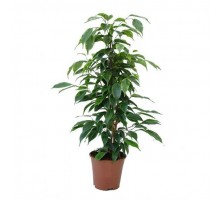
Rubber Ficus is another plant presented in NASA's Clean Air study. This is a popular ornamental plant with leathery shiny oval-shaped leaves.
Ficus is one of the first places on the list of indoor plants that remove toxins such as formaldehyde. Formaldehyde can be released into the air from furniture and flooring, as well as from household items that you did not even think about, such as air fresheners, hair products and nail polish.
Growing ficus over time becomes more and more effective in eliminating toxic compounds from the air.
Easy to breathe
We breathe oxygen, and plants absorb carbon dioxide and turn it into oxygen, which is necessary for our breathing. In most plants, this process occurs during the day, but Sansevieria (Mother-in-law's tongue, Pike tail) is one of the few indoor plants that produce oxygen at night. Place sansevieria in the breathing zone (about two square meters from where you sleep or stay for a long time) - and you will soon notice that you began to feel better and more alert as the amount of oxygen supplied to the blood increased.
Natural moisturizers
About 10% of the moisture from the air we breathe is released by plants. Palm Areca is a very popular home palm. Juicy green foliage releases moisture into the room, which is especially nice in the dry winter months. Plants such as cacti and succulents, on the other hand, retain water and therefore release very little moisture into the air.
Stop allergies!
Rooms with plants have less dust and mildew than rooms without plants. Leaves and other parts of plants act as natural filters to trap allergens and other particles in the air. Violets and other plants with textured leaves do an excellent job.
Natural Flavors
Instead of artificial air fresheners, which also destroy the ozone layer, use fragrant plants - cypress, myrtle, coffee tree. These plants are a great way to fill your home with a wonderful fresh smell that creates coziness.
Antistress
Studies have shown that having plants in your home or even your workplace has a positive effect on people, helping to reduce stress, fatigue and increase productivity.
Put home plants in the office and anywhere in your home where children study or do their homework. Bamboo palm or Ficus Benjamin will regulate humidity and reduce carbon emissions.
Good sleep
Sometimes it’s difficult to fall asleep after a dynamic and eventful day, the brain is busy with thoughts about what happened during the day and about everything that we do tomorrow.
Studies have shown that the aroma of some plants, in particular lavender and jasmine, perfectly relaxes and relieves stress. Keep lavender or jasmine by your bed. The smell of these plants causes a state of calm, which will help you prepare for a good sleep.
Good mood
Nothing is uplifting like bright flowers. Hospital patients who have flowers or plants in the room or those who can admire the garden from the window of their room often recover faster than those who do not have plants.
Plants help to increase the level of positivity and help us feel more secure and relaxed. They can also relieve loneliness and depression.
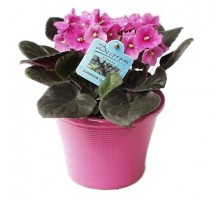
Caring for a living creature gives us purpose and benefits, especially when the plant that you lovingly looked after thanked you with lush flowering. Choose plants that are easy to care for, such as Saintpaulia (violet). They will delight you with flowering all year round.
Harmful plants
Although most indoor plants are safe, some are toxic to humans or pets. If small children or family live in the houseanimals, it is recommended to avoid plants that are even slightly toxic. Basically, these plants can be dangerous if their leaves or bulbs are eaten.
Dieffenbachia, if swallowed, may cause burning in the mouth and digestive tract. Skin juice can cause a rash and itching - it is better to take care of Dieffenbachia with gloves. Avoid contact with eyes.
Philodendron, like Dieffenbachia and many other plants, contains crystals of calcium oxalate, which in nature protect the plant from being eaten by animals. Philodendron is only slightly toxic and most people should eat a large amount of the plant before they develop symptoms. However, small children and pets are very sensitive to poisoning if they accidentally swallow a plant.
Spathiphyllum, like its relatives above, contains crystals of calcium oxalate and can cause unpleasant symptoms if it is accidentally swallowed or the liquid from the plant gets on the skin.
Hyacinth, daffodil, tulip and other bulbs accumulate calcium oxalate in the bulbs, poisoning can be obtained only by swallowing the bulb.
Lilies are an example of the different effects of plant poison on people and pets. All parts of lilies are non-toxic to humans, but deadly to cats. An unidentified chemical in a plant causes damage to the kidneys in cats, which often leads to death. Do not grow a lily in a house where there is a cat, even if the animal is not inclined to eat plants - the risk is too great.
And finally, about the dangers of cacti. These prickly plants can prick or injure with their thorns, cause irritation and itching. Again, they are dangerous only for children, as an adult will not touch the thorns, risking an injection.
Summary
As you can see, the benefit of indoor plants completely covers the minor damage that the plant can cause to health in case of inadequate actions. After all, no one will eat indoor flowers. Even if the plant is conditionally toxic, and there are small children in the house, it can be placed out of the reach of the child. Well, take care of cats from lilies!