Feeding indoor plants

All plants need certain macro- and microelements for full growth and flowering. Their deficiency can lead to a stop in growth and flowering, to diseases and even death of the plant.
In the natural environment, most plants can "extract" the necessary substances from the soil. But in nature, the soil is naturally enriched with them, which cannot be said about the soil in a pot with a houseplant.
That is why our green friends need additional nutrition.
What substances do houseplants need?

Macroelements
For the health and full development of the plant, the soil must contain three main macroelements:
Nitrogen. Necessary for plants for the healthy and proper development of the root system. Nitrogen plays an active role in the process of plant metabolism - all metabolic processes are activated by nitrogen.
Nitrogen deficiency can be determined even visually - the plant stops growing, the leaves turn pale.
Phosphorus. Plants need it primarily to stimulate flowering, as well as to increase resistance to diseases. Phosphorus has a beneficial effect on the endurance of plants, their ability to adapt to temperature changes, lack or excess of watering.
With a lack of phosphorus, the upper leaves of the plant darken, acquire a bluish tint, the lower ones turn brown and dry out.
Potassium. Stimulates the normal course of photosynthesis, increases endurance and resistance to pests. Positively affects the intensity of oxidation processes and the formation of organic acids in plants, participates in carbohydrate and nitrogen metabolism.
Potassium deficiency manifests itself in browning of the edges of the leaves, the appearance of spots, uneven growth.
Of the macronutrients, plants also need magnesium, calcium and sulfur.
Micronutrients

They are consumed by indoor plants in small doses, but their deficiency or excess can also significantly affect the appearance of the plant and its ability to fully develop and bloom.
The main microelements that should be present in the "diet" of the plant are iron, zinc, boron, molybdenum, manganese, cobalt and copper.
Types of fertilizers for feeding
Fertilizers for plants are divided into organic and mineral.
- Organic fertilizers are a derivative of natural components - plant compost, manure, chicken droppings.
- Mineral fertilizers - these are chemical compounds dissolved in water. They can be liquid concentrate, sticks, granules or powder.
How to feed indoor plants?

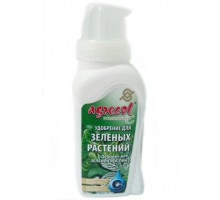
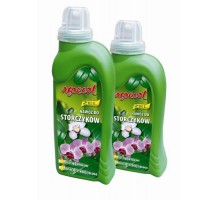
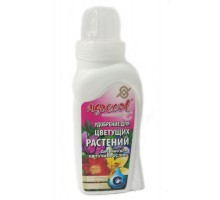
The most convenient and common method is liquid feeding. Ready-made concentrated mixtures can be purchased at flower shops. Dissolve the concentrate in the proportion indicated on the label.
Use the solution as a nutrient watering (root feeding) or for spraying leaves (foliar feeding).
Foliar feeding is best applied to plants that absorb moisture through their leaf blades. These include bromilial - tillandsia, guzmania.
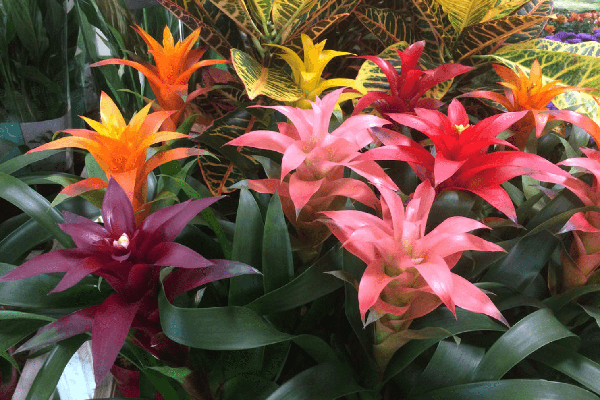
Orchids absorb moisture with aerial roots, so they will also be happy to be sprayed.
Foliar feeding is used for all plants that grow in high humidity in nature - areca and other palms, monstera and other vines.
Please note that the concentration ofThe amount of fertilizer for foliar feeding should be lower than for root feeding, so as not to cause leaf burn.
How much fertilizer do plants need?
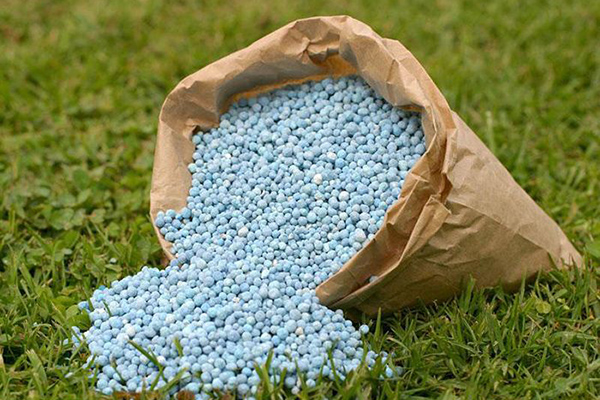
Excess of fertilizer can also negatively affect the condition of the plant, so it is important to observe the measure and adhere to a strict dosage.
Excess of one micro- or macroelement can inhibit the absorption of others and the plant stops receiving complex nutrition. As a result - brown and dying leaves, lack of flowering and other unpleasant consequences.
For each specific plant, depending on the type, age, season, the dosage of feeding is determined individually, but try not to overdo it.
Root feeding should not be carried out more often than once every 2-3 months, foliar feeding - no more than once a week.
When to start feeding plants?
Most plants need increased feeding during the period of active vegetation - that is, in the spring, during the flowering period or during the growth of young plants.
But keep in mind that some types of plants grow and bloom all year round - Saintpaulia, tradescantia, balsam and other indoor flowers.
Such plants need to be fertilized regularly throughout the year.

Other plants have a pronounced rest period - they stop growing, do not bloom and do not produce new leaves. This group includes hippeastrum, cyclamen, gloxinia, almost all cacti and orchids. During the dormant period, such plants do not need feeding.
You should also not fertilize the plant during illness - you will not wait for the expected effect. First, you need to find out and eliminate the cause of the disease, and only then include feeding in the diet.
Plants that you just brought from the store also do not need feeding. As a rule, florists generously fertilize the soil to maintain the marketable appearance of the plant. So, most likely, your new pet will have enough of all the necessary nutrients for the next six months.
Features of feeding flowering plants
Flowering plants need special care and nutrition to ensure abundant and long-lasting flowering.
- Phosphorus and potassium: Phosphorus and potassium are especially important for flowering plants, which contribute to the formation of buds and the development of flowers.
- Regularity: Flowering plants should be fed regularly, every 2-3 weeks, using special fertilizers for flowering plants.
- Avoid overfeeding: Excess fertilizer can lead to buds falling off and deterioration of flowering.
Foliar feeding
Foliar feeding is a method of applying fertilizers through the leaves of plants. This method is especially effective when plants cannot obtain nutrients from the soil, for example, due to root diseases.
- Spraying: For foliar feeding, use a weak fertilizer solution, which is sprayed on the leaves of plants.
- Time of application: It is best to carry out foliar feeding in the morning or evening, in cloudy weather, to avoid leaf burns.
Features of feeding at different times of the year
- Spring: In spring, plants are actively growing and need adequate nutrition. At this time, it is recommended to use complex fertilizers containing nitrogen, phosphorus and potassium.
- Summer: In summer, plants also need regular feeding, especially flowering and fruiting species.
- Autumn: In autumn, the number of feedings can be reduced to prepare the plants for the dormant period. At this time, you can use fertilizers with a high content of phosphorus and potassium, which will help the plants strengthen the root system.
- Winter: In winter, many plants are dormant and do not need feeding. However, some species, such as those that bloom in winter, may require additional nutrition.
Feed plants moderately so as not to harm them.
Use different types of fertilizers to provide plants with adequate nutrition.
Monitor the reaction of plants to fertilizers and adjust their amount if necessary.
Folk methods of feeding

There are many folk methods to fertilize plants with everything that is at hand. What do indoor gardening enthusiasts not feed their pets with - here are tea leaves, coffee grounds, milk, sugar, and even broth!
Here are several popular methods of feeding using improvised means:
- Yeast contains B vitamins, trace elements and other useful substances that stimulate plant growth and strengthen their immunity.
Recipe: Dissolve 10 g of fresh yeast or 1 teaspoon of dry yeast in 1 liter of warm water. Add 1 tablespoon of sugar and leave for 2-3 hours. Then dilute the resulting solution in 10 liters of water and water the plants at the roots. - Succinic acid is a natural plant growth stimulant, it improves metabolism and increases resistance to stressful conditions.
Recipe: Dissolve 1 tablet of succinic acid in 1 liter of water. Spray the plants with this solution or water at the roots. - Iodine in small quantities is good for plants, it strengthens their immunity and helps fight diseases.
Recipe: Dilute 1 drop of iodine in 1 liter of water. Use this solution to spray plants or water them at the roots. - Onion peel contains trace elements and antioxidants that are beneficial for plants.
Recipe: Pour 1 liter of boiling water over a handful of onion peel and let it brew for several hours. Then strain the infusion and use it to water plants. - Sugar is a source of glucose, which plants need for growth and development.
Recipe: Dilute 1 teaspoon of sugar in 1 liter of water. Use this solution to water plants. - Hydrogen peroxide has antiseptic properties, it helps fight plant diseases and improves their respiration.
Recipe: Dilute 1 tablespoon of hydrogen peroxide in 1 liter of water. Use this solution to spray plants or water them at the roots. - Bananas contain potassium, which is necessary for plants to bloom and bear fruit.
Recipe: Grind the banana peel and bury it in the ground next to the plants.
True, some products can really feed the plant a little or improve the condition of the soil. Eggshells, yeast, sugar sometimes give the desired result, but the effect is often unpredictable, so it is better not to take risks, but to use ready-made specially developed complex fertilizers.
All indoor plants need feeding, but require an individual approach. Focus not only on general rules and knowledge, but also on your own observations. A caring attitude towards the plant will definitely give results, and your green pets will delight you with a healthy and flourishing appearance.