Seasons and plants
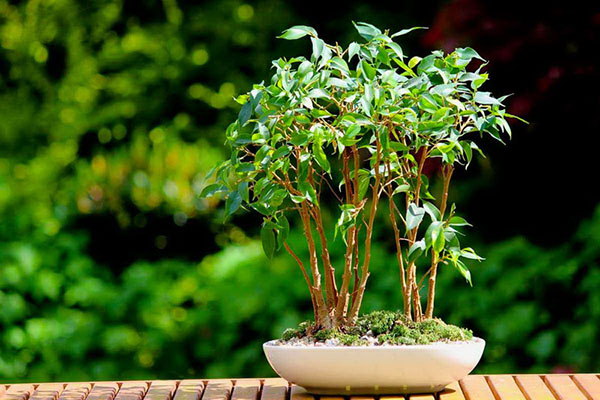
With the arrival of summer, our indoor friends change and require special care conditions. Even in an apartment, the climate changes seasonally - we turn on air conditioners or heaters, the length of daylight hours and air humidity change.
Therefore, it is important to take into account changes in temperature, lighting, air humidity in each season, so that your indoor plants feel comfortable.
Some plants tolerate temperature changes, while others, on the contrary, are sensitive to external changes in maintenance conditions. Some actively grow and bloom in the spring and summer, and in winter they "fall asleep", entering a dormant period, like street plants.

There are also other extreme plants that grow actively in the cold period, but do not tolerate heat well. To provide your green pets with the necessary care, let's figure out how seasonality affects the development of certain types of plants.
Which plants have clearly defined growth periods?
As a rule, most plants copy their "behavior" in their natural environment. That is, the periods of growth and dormancy will be clearly defined in indoor plants, which in the wild, in their natural habitat, are subject to seasonal climate changes.

These include orchids, begonias, gloxinia, caladium, cyclamen, pomegranate, poinsettia, laurel, myrtle, citrus, camellias, pelargoniums, fuchsias and others.
In nature, the period of active vegetation of these plants is associated with with the arrival of rain and warmth - they grow quickly, put out new shoots, bloom and go to "sleep".
During the dormant period, these plants stop growing, stop blooming, but do not shed their leaves.
Which indoor plants are not subject to seasonal fluctuations?
Slow-growing plants are generally less likely to change their leisurely growth rate during the dormant season. These include tillandsia, dracaena, aglaonema, cattleya.
Most plants are still subject to seasonal growth and developmental pause. As a rule, the active growing season lasts from spring to autumn, the dormant period - from late autumn to the new spring. This means that plants need special care in each season.
The substances and conditions that give the plant energy and vitality during the period of active growth can even harm it during the dormant period. The plant needs full rest, just like a person needs sleep.
If you continue to water abundantly and actively feed the plant during the dormant period, it will not get full rest, the plant will be weakened in the spring, flowering will be poor, or you will not see it at all.
Which plants bloom in different seasons of the year and what kind of care do they need
| Season | Popular Plants | Care Features |
|---|---|---|
| Spring | Tulips, daffodils, hyacinths, crocuses, violets, primroses | Bright lighting, moderate watering, fertilizing |
| Summer | Geranium, petunia, fuchsia, begonia, kalanchoe | Regularwatering, protection from direct sunlight, fertilizing |
| Autumn | Chrysanthemums, asters, cyclamens, poinsettia | Moderate watering, protection from cold, fertilizing |
| Winter | Orchids, azaleas, camellias, Decembrist | Limited watering, maintaining temperature, spraying |
Summer plants
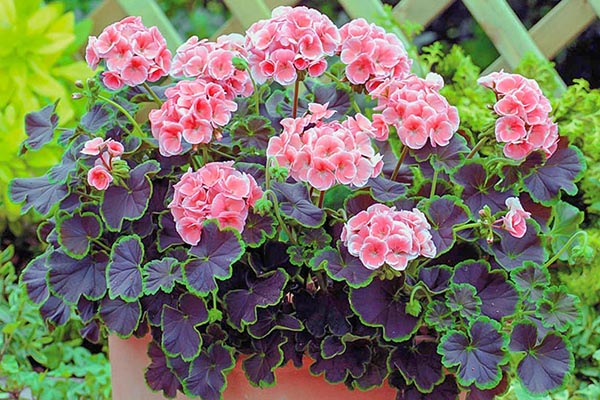
This is a wonderful time when plants receive maximum sunlight, heat, moisture and fresh air. In summer, plants actively develop and bloom. It is useful to take many indoor plants out into the fresh air, onto a terrace or an open balcony, if possible.
Sunlight, so necessary for plants, can also be harmful - protect your flowers from direct sunlight, especially in the midday heat. At this time, plants need to be shaded.
Plants that bloom all summer:
- Geranium is an unpretentious plant with bright flowers that can bloom all summer with proper care.
- Petunia is a popular flower with a variety of colors and shapes of buds, which also blooms throughout the summer.
- Fuchsia is an elegant plant with drooping flowers that blooms from early summer to autumn.
- Begonia is a plant with bright leaves and flowers that can bloom all summer with sufficient lighting and watering.
- Kalanchoe is a succulent with fleshy leaves and small flowers that blooms throughout the year, but especially abundantly in the summer.
Decorative and herbaceous plants for the home in summer:
- Hibiscus is a tropical plant with large, bright flowers that can become a real decoration for your home.
- Lavender is a fragrant plant with lilac flowers that will not only decorate your home, but also fill it with a pleasant aroma.
- Rosemary is a herbaceous plant with aromatic leaves that can be used in cooking and to decorate your home.
- Mint is another aromatic herbaceous plant that can be grown at home in the summer.
- Basil is a popular herbaceous plant that can be used in cooking and to decorate your home.
Caring for indoor plants and flowers in the summer:
- Lighting: In summer, plants need bright light, but avoid direct sunlight, which can cause leaf burns.
- Watering: In summer, plants need to be watered more often, than at other times of the year, as the soil dries out quickly. However, avoid overwatering, which can lead to root rot.
- Temperature: In summer, plants prefer warm air temperatures. The optimum temperature for them is 20-25 degrees Celsius.
- Feeding: During the period of active growth, summer plants need feeding. Use special fertilizers for indoor plants, which can be purchased at a flower shop.
- Spraying: In hot weather, it is useful to spray the leaves of plants with water to increase the air humidity.
- Protection from pests: In summer, plants can be susceptible to attack by pests such as aphids, spider mites and whiteflies. Inspect plants regularly and take measures to combat pests when they are found.
Autumn plants
With the onset of cool weather, flower pots are brought back indoors, to their permanent wintering place. To prevent plants from experiencing severe stress from a change in environment, it is better to transfer them gradually - first placing them in close proximity to an open window.
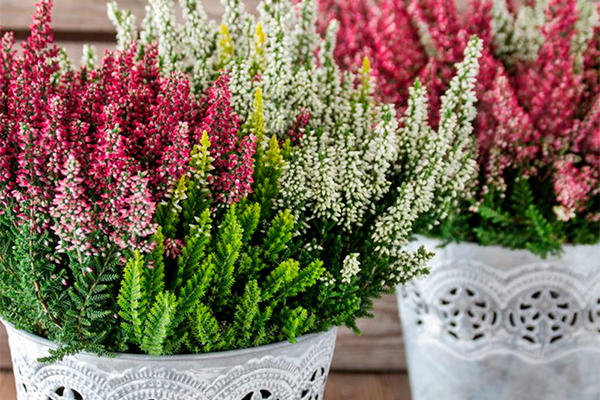
Plants that bloom in autumn:
- Chrysanthemums are one of the most popular autumn flowers, which are distinguished by a wide variety of shapes and colors.
- Asters are bright flowers that bloom from late summer to late autumn.
- Gladioli are tall flowers with large buds that can be of different shades.
- Dahlias are flowers with large double inflorescences that can be of different colors and sizes.
- Cyclamens – delicate flowers with heart-shaped leaves that bloom in autumn and winter.
Decorative plants for the home in autumn:
- Poinsettia – a plant with bright red leaves, which are often called the "Christmas star".
- Cyclamen – a tuberous plant with beautiful flowers of various colors.
- Begonia – a plant with decorative leaves and flowers that can bloom all year round.
- FuKsia is an elegant plant with drooping flowers that blooms from summer to autumn.
- Coleus is a plant with bright multi-colored leaves that does not bloom, but attracts attention with its decorative qualities.
Caring for indoor plants and flowers in autumn:
- Lighting: In autumn, daylight hours become shorter, so plants may need additional lighting. Use special phytolamps to illuminate plants.
- Watering: In autumn, watering of plants should be reduced, as the soil remains moist longer. Before watering, make sure that the top layer of soil is well dried.
- Temperature: In autumn, the air temperature in the room can drop, so make sure that the plants are not in a draft or near cold windows.
- Feeding: In autumn, plants slow down their growth, so feeding should be done less often than in summer. Use special fertilizers for indoor plants in the autumn-winter period.
- Transplantation: Autumn is not the best time to transplant plants, as they are dormant. It is better to postpone transplantation until spring.
- Preparation for winter: Some plants need special preparation for winter. For example, some species need to have their shoots trimmed, while others need to have less watering.
Winter plants
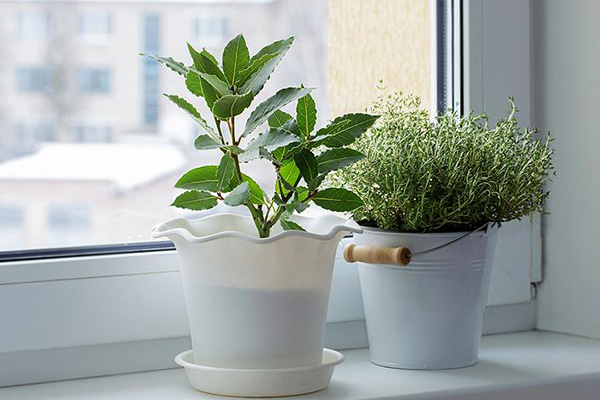
During the heating season, the main threat to indoor plants is too dry air. Do not place plants near heating appliances, heaters, batteries.
It is advisable to use humidifiers or place containers with water in close proximity to plants. Make sure that plants located on windowsills do not suffer from drafts or ice condensation on the glass. If the windows are cold, it is better to move the flowers to another place. In winter, plants are watered moderately, waiting for the substrate to dry out by 5 - 10 mm.
Outdoor plants in pots in winter. Not all outdoor plants can survive harsh winter conditions in pots. However, some species can overwinter outdoors if they are properly cared for. These plants include:
- Conifers: spruce, pine, juniper.
- Evergreen shrubs: cotoneaster, euonymus, holly.
- Some types of heather.
- These plants need to be insulated for the winter by wrapping the pots in insulating material. It is also important to monitor the soil moisture and water the plants during the thaw.
Houseplants that bloom in winter:
- Poinsettia (Christmas Star) is a bright plant with red bracts that are often mistaken for flowers.
- Decembrist (Schlumbergera) is a plant with unusual flowers that bloom in winter.
- Azalea is a beautiful flower that can bloom in winter with proper care.
- Orchid is an exquisite flower that can bloom at any time of the year, including winter.
- Cyclamen is a delicate flower with heart-shaped leaves that blooms in winter and spring.
Decorative plants for the home in winter:
- Ferns are plants with beautiful carved leaves that purify the air in indoors.
- Ivy is a climbing plant that can be used to create green compositions.
- Dracaena is a plant with long narrow leaves that can be of different colors.
- Ficus is a plant with large leaves that can be of different shapes and sizes.
- Succulents are plants with fleshy leaves that do not require frequent watering.
Caring for indoor plants and flowers in winter:
Caring for indoor plants in winter has its own characteristics. It is important to remember that at this time of year, plants are dormant and need special attention.
- Lighting: In winter, daylight hours are short, so plants may experience a lack of light. Special phytolamps can be used for illumination.
- Watering: In winter, watering of plants should be reduced, since the soil remains moist longer. Before watering, make sure the top layer of soil is well dried.
- Temperature: In winter, the air temperature in the room can drop, so make sure that the plants are not in a draft or near cold windows.
- Humidity: In winter, the air in the room becomes dry, which can negatively affect the plants. To increase humidity, you can use a humidifier or spray the plants with water.
- Feeding: In winter, plants slow down their growth, so feeding should be done less often than in summer. Use special fertilizers for indoor plants in the autumn-winter period.
Spring plants
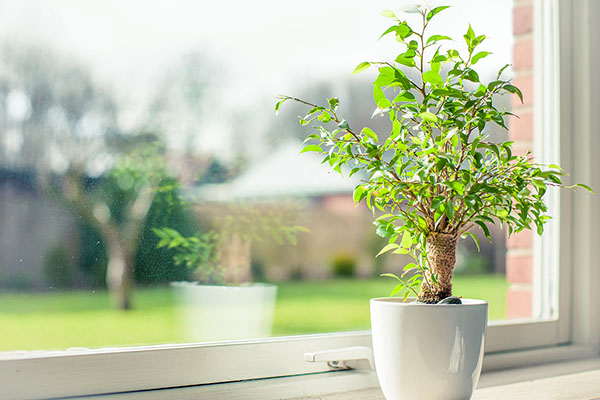
The time of awakening, the transition of plants from a period of rest to a period of active development. In the spring, fertilizing, replanting, and propagation of plants are carried out. Change the substrate, pots, remove dried leaves so that your green pet can grow and bloom without interference. The frequency and amount of watering increases from March to May - watch the weather and the rate of plant development. When it becomes warm enough outside, closer to the end of May, the plants can be taken out into the open air.
Early spring flowers:
- Snowdrops are delicate white flowers that appear first, as soon as the snow begins to melt.
- Crocuses are bright flowers of different shades that bloom after snowdrops.
- Hyacinths are fragrant flowers with dense inflorescences that can be of different colors.
- Daffodils are flowers with large buds that can be white, yellow or orange.
- Tulips are one of the most popular spring flowers, which are distinguished by a wide variety of shapes and colors.
Decorative spring plants for the home:
- Violets are small flowers with delicate petals that can be of different colors.
- Primroses are bright flowers with large inflorescences that can be of different shades.
- Azaleas are beautiful flowers with double petals that can be of different colors.
- Camellias are exquisite flowers similar to roses that can be white, pink or red.
- Orchids are exotic flowers with unusually shaped buds that can be of different colors and sizes.
Caring for spring houseplants and flowers:
- Lighting: Spring plants need bright but diffused lighting. Place them on a windowsill or near a window, but avoid direct sunlight, which can burn the leaves.
- Watering: Water the plants moderately, as the top layer of soil dries out. Avoid overwatering, which can lead to root rot.
- Temperature: Spring plants prefer cool air temperatures. The optimum temperature for them is 18-20 degrees Celsius.
- Feeding: During the period of active growth, spring plants need feeding. Use special fertilizers for indoor plants, which can be purchased at a flower shop.
- Replanting: If the plant has outgrown its pot, it must be replanted into a more spacious one. It is best to replant in the spring, after flowering.
Seasonality in the growth of indoor plants is just as important as for outdoor plants. Each season requires special care, watering conditions and feeding.
Listen to our simple recommendations, and your indoor flowers will delight the eye at any time of the year!