Growing Basil at Home: A Complete Guide for Beginners
Can basil be grown indoors?
Of course it is! Basil grows well on a windowsill if you create the right conditions for it. This is an unpretentious plant that pleases with fragrant greenery all year round - the main thing is to provide enough light and moderate watering.
Growing basil at home is even more convenient than in the garden:
-
No need to fight weeds and pests.
-
Fresh leaves are always at hand.
-
You can control the growing conditions (lighting, humidity, temperature).
Basil adapts well to indoor conditions, especially if you choose the right variety. The main thing is not to overwater it or put it in a dark corner. By following simple rules, even a beginner will get a harvest!

Choosing the right basil variety
For home growing, it is better to choose compact and unpretentious basil varieties that adapt well to indoor conditions. Different varieties differ not only in appearance, but also in taste, growth rate and care requirements.
The most popular varieties for the windowsill:
-
Purple basil- has a rich spicy aroma and a decorative appearance. Grows a little slower than green varieties.
-
Genoese (Italian)- classic green basil with large leaves, ideal for pesto and salads.
-
Lemon basil- has a citrus flavor, bushes well.
-
Small-leaved (Greek)- forms neat bushes, does not require much space.
When choosing, consider:
-
The size of an adult plant (low-growing varieties are better for a windowsill)
-
Aroma intensity
-
Growth rate (early varieties yield faster)

Types of basil propagation
Basil can be grown in two ways: from seeds or cuttings. Each method has its own advantages and is suitable for different situations.
Propagation by cuttings
This is the fastest way to get aromatic greens:
-
Take a sprig of basil 8-10 cm long from an adult plant or purchased in a store
-
Put in water, removing the lower leaves
-
Roots will appear in 7-10 days
-
When the roots reach 2-3 cm, transplant into the ground
Pros of the method:
-
Quick result (first harvest in 2-3 weeks)
-
All varietal qualities
-
Ease of implementation
Growing from seeds
A longer, but interesting process:
-
Seeds germinate in 7-14 days
-
A full-fledged bush is formed in 1.5-2 months
-
Makes it possible to grow rare varieties
For beginners, you can try both methods to compare the results. Cuttings are suitable if you need to quickly get greens, and seed propagation is for growing new varieties.
What is needed to plant basil?
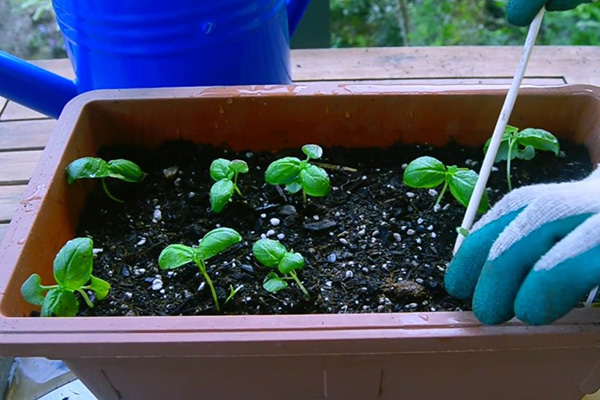
To successfully grow basil at home, you will need several mandatory components. Correctly selected materials will provide the plant with comfortable conditions for growth and development.
The main components for planting:
Soil:
- Light and loose substrate with neutral acidity
- A ready-made soil mixture for vegetables or greens will do
- You can mix garden soil with peat and sand (2:1:1)
Drainage:
- Expanded clay or small pebbles in a layer of 2-3 cm
- Required to prevent stagnation of water
- Place on the bottom of the pot before planting
Additional elements for care:
Fertilizers:
- Complex mineral fertilizers for greens
- Organic fertilizers (biohumus)
- Frequency of feeding - once every 2-3 weeks
Lighting:
- South or south-east windows
- Phytolamps if there is insufficient natural light
- Minimum daylight hours - 6-8 hours
For planting you will also need:
- Pots or containers with drainage holes
- Watering can with a narrow spout
- Sprayer to maintain humidity
- Wooden soil loosening sticks
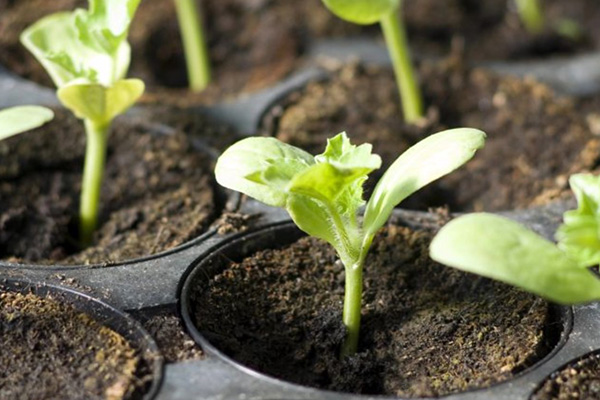
It is important to choose high-quality materials - this is the key to healthy plants and a good harvest. Pay special attention to drainage and soil composition, as basil is sensitive to stagnant moisture.
When is the best time to plant basil at home?
Basil can be grown all year round, but there are optimal periods for planting. The best time is from March to August, when there is enough natural light for active growth. During this period, the plant develops faster and requires less additional care.
Features of planting by season:
-
Spring (March-May) is the ideal time for sowing. Increasing daylight hours stimulate growth.
-
Summer (June-August)- is a good period, but protection from the scorching sun may be required.
-
Autumn-winter- planting is possible provided that additional lighting with phytolamps (12-14 hours a day).
If you start growing basil between September and February:
-
Use only southern windows
-
Be sure to use phytolamps
-
Be prepared for slower plant growth
-
Maintain a temperature not lower than +20°C
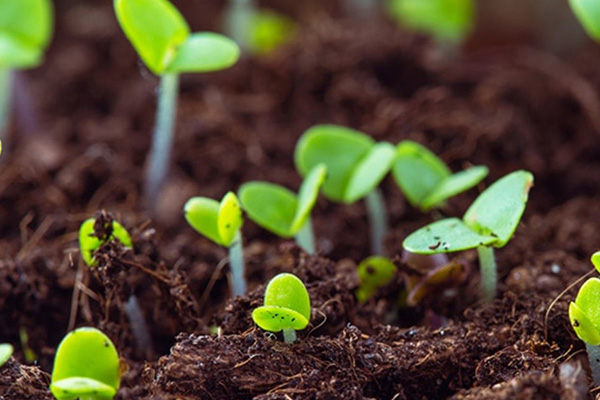
To get a continuous harvest, practice successive plantings at intervals of 2-3 weeks. This will provide you with fresh herbs without interruption.
Step-by-step instructions for sowing basil seeds
Correct planting of seeds is the key to obtaining strong plants and a rich harvest. Follow these instructions to avoid common mistakes made by newbies.
Preparing the seeds:
- Soak the seeds in warm water for 24 hours
- To speed up germination, you can add a growth stimulator
- Drain the water through a sieve before planting
Sowing:
- Fill the container with prepared soil, leaving 2 cm to the edge
- Moisten the soil with a spray bottle
- Evenly distribute the seeds over the surface (1 cm between seeds)
- Sprinkle with a thin layer of soil (0.5 cm)
- Lightly compact the surface with your palm
- Cover with film or glass to create a greenhouse effect
Primary care:
- Place the container in a warm place (+23...+25°C)
- Ventilate daily for 15-20 minutes
- Keep the soil moist
- After the seedlings appear (7-14 days), remove the cover
- Move to a well-lit place
Important nuances:
- Do not bury the seeds too deep - this will hinder germination
- Use wide but shallow containers
- When sowing in a common container, picking will be required later
- The optimal temperature for germination is not lower than +20°C

If these conditions are met, the first shoots will appear in a week. Further care consists of maintaining optimal humidity and good lighting.
Caring for basil shoots
After the first shoots appear, basil requires special attention. During this period, the root system is formed and the future yield of the plant is laid.
Basic care rules:
-
Watering– keep the soil moderately moist. Water under the root with warm, settled water when the top layer of soil dries out slightly. Avoid overwatering – this is the main reason for the death of sprouts.
-
Lighting– provide 12-14 hours of light daily. If there is insufficient natural light, use a phytolamp, placing it at a height of 15-20 cm above the plants.
-
Temperature– the optimal range is +20...+25°C. Avoid drafts and sudden changes in temperature.
Additional measures:
-
Thinning – when 2-3 true leaves appear, remove weak shoots, leaving 5-7 cm between plants.
-
Loosening – carefully loosen the top layer of soil with a toothpick after each watering to improve root aeration.
-
Feeding – 2 weeks after germination, apply a weak solution of complex fertilizer (the concentration is 2 times less than for adult plants).
Signs problems:
- Elongated pale stems – lack of light
- Yellowing leaves – overwatering or lack of nutrients
- Dry leaf edges – too dry air

With proper care, 3-4 weeks after germination, you will get strong bushes ready for the first cut. Remember – during this period, the plant is especially vulnerable, so it is important to follow all recommendations.
When to harvest basil?
You can start harvesting the first crop when the plant reaches a height of 15-20 cm and forms at least 6-8 true leaves. This usually happens 4-6 weeks after germination. It is important not to rush with the first cut - let the bush get stronger.
How to cut leaves correctly:
-
Start collecting from the top leaves, leaving the bottom pair for further growth
-
Use sharp scissors or gently pinch off the leaves with your fingers
-
Cut no more than 1/3 of the plant at a time
-
Make a cut above a pair of new buds (1-1.5 cm above the growth node)
Secrets of prolonging the life of the plant:
-
Regularly pinch off the tops - this stimulates tillering
-
Remove flower buds - flowering reduces the aroma of the leaves
-
After mass cutting, feed the plant with organic fertilizer
-
Harvesting in the morning - at this time the leaves are the juiciest
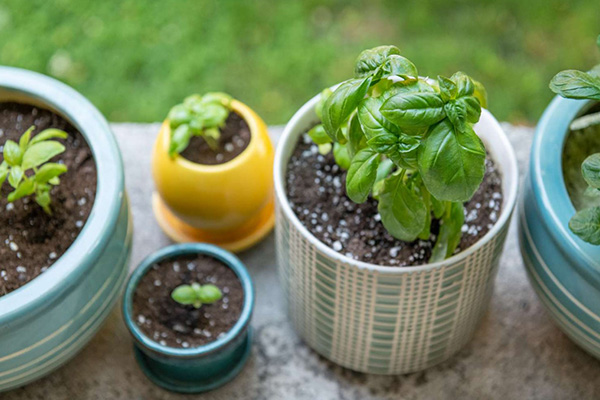
The optimal frequency of collection is 1-2 times a week, several leaves per bush. With this approach, one plant can bear fruit for 3-5 months. Remember: the more often you cut the leaves (without breaking the rules), the more lush the bush will be.
How to save the basil harvest
Fresh basil quickly loses its aroma, but there are several reliable ways to preserve the harvest for a long time. The method you choose depends on how soon you plan to use the greens.
Storage methods:
Short-term storage (3-5 days):
- Place stems in a glass of water like a bouquet
- Cover leaves with a damp paper towel
- Store in the vegetable drawer of the refrigerator
Long-term storage
Freezing:
- Spread whole leaves on a tray and freeze
- Chop with olive oil and pour into ice cube trays
Drying:
- Tie bundles and hang in a ventilated area
- Or use a dehydrator if 40°C
Preservation:
- Make pesto with olive oil
- Place leaves in jars with salt or vinegar
Tips for maximum flavor preservation:
- Wash herbs only before use
- Choose young leaves for freezing
- Dry away from sunlight
- Store dried basil in an airtight container
The best way to enjoy fresh basil all year round is to continue growing new plants on the windowsill using cuttings.
Typical mistakes beginners make when growing basil
Even with such an unpretentious plant as basil, novice gardeners often face problems. Most failures are associated with several common mistakes that are easy to avoid. Main mistakes and their consequences:
Overwatering
- Causes root rot
- Leaves turn yellow and fall off
- Mold appears on the surface of the soil
Solution: water only when the top layer of soil dries out
Lack of light
- Plants stretch out
- Leaves become smaller and pale
- Stems become thin and weak
Solution: use phytolamps in winter, choose southern windows
Dense planting
- Plants compete for light and nutrition
- Humidity and risk of diseases increase
- Air circulation is difficult
Solution: thin out seedlings, leaving 5-7 cm between plants
Other common problems:
- Using cold water for watering (causes stress)
- Lack of drainage in the pot (moisture stagnation)
- Neglecting fertilizers (soil depletion)
- Late removal of flower stalks (deterioration in the taste of the leaves)
How to avoid mistakes:
-
Start with small plantings
-
Follow the regime watering
-
Control the lighting
-
Inspect the plants regularly
-
Don't be afraid to experiment
Remember: basil quickly reacts to improper care, but just as quickly recovers when problems are eliminated. Observe your plants - they themselves will tell you what they don't like.
The Complete Guide to Growing Basil at Home
| Section | Key Points | Tips/Warnings |
|---|---|---|
| 1. Can Basil Be Growed Indoors? |
|
Avoid Dark Corners and Overwatering |
| 2. Choosing a variety |
|
Low-growing varieties are better for the windowsill |
| 3. Methods of propagation |
|
Take cuttings from healthy plants |
| 11. Conclusion |
|
Plants feel your care |
Grow basil with pleasure!
Now you know all the secrets of growing fragrant basil on the windowsill. Don't be afraid to start - even if your first attempts are not perfect, each new bush will give you invaluable experience. Remember that plants feel your care and will definitely thank you with juicy greens.
The main advantages of home basil:
-
Always fresh, environmentally friendly greens at hand
-
The ability to experiment with different varieties
-
Saving money on buying greens in the store
-
An exciting activity that relieves stress
Don't stop there! Try new varieties, combine basil with other herbs in one pot, share the harvest with friends. A home garden is a living creative process that brings joy and benefit every day. Let your windowsill always delight you with fragrant greenery!
FAQ on growing basil at home
- Can basil be grown on a windowsill?
Yes, basil grows well at home! The main thing is to give it enough light (southern or eastern window) and not to water it. Choose compact varieties, such as Genoese or Greek. - How to get a harvest faster - from seeds or cuttings?
Seedlings give greens after 2–3 weeks (put a sprig in water, and after the roots appear, transplant into the soil). Seeds germinate longer (1.5–2 months), but this is how you can grow rare varieties. - Why do basil leaves turn yellow?
Usually this is an overflow or lack of light. Check: The soil should dry out between waterings. If the stems are stretched out, additional lighting with a phytolamp is required. - When can you cut the first leaves?
When the bush grows to 15-20 cm and has 6-8 leaves. Cut the upper leaves, leaving the lower ones so that the plant continues to grow. - How to preserve the harvest for a long time?
Short-term: put the stems in water (like a bouquet) or wrap in a damp towel. Long-term: freeze the leaves (whole or in oil), dry them or make pesto.