Houseplants and animals

Love for nature is often shown by affection for representatives of both flora and fauna. But in practice, it can be very difficult to combine the maintenance of indoor flowers and pets.
Animals can knock over a flowerpot with a plant, cats and dogs often gnaw on the leaves and stems of plants. If the plant is large enough, the cat can dig holes in the ground or use the trunk to sharpen its claws.

Plants suffer from such an unceremonious attitude towards themselves, but animals can also be in danger from representatives of the flora - the stems, leaves and flowers of some indoor plants can contain substances that are poisonous to animals.
By the way, there is a completely erroneous opinion that an animal instinctively "knows" what it needs. And if a cat, say, gnaws at your ficus, it means it “lacks some vitamins.”
I don’t want to upset you, but no, she doesn’t know. The instincts of domestic animals are not nearly as finely honed as those of their relatives in the wild. The need to look for “useful grass” may have been preserved, but there is no experience in this matter. So they try to taste your azalea, risking their health and damaging the gorgeous flower.
But don’t be upset. Houseplants and pets can peacefully coexist in the same room, you just need to take some precautions to minimize the risks for both parties.
First of all, try to place plants in places that are difficult for animals to reach. For example, on high shelves or in hanging pots. Of course, this advice is relevant if your plants are small. Or if you have a dog. There are virtually no hard-to-reach places for a cat :-)
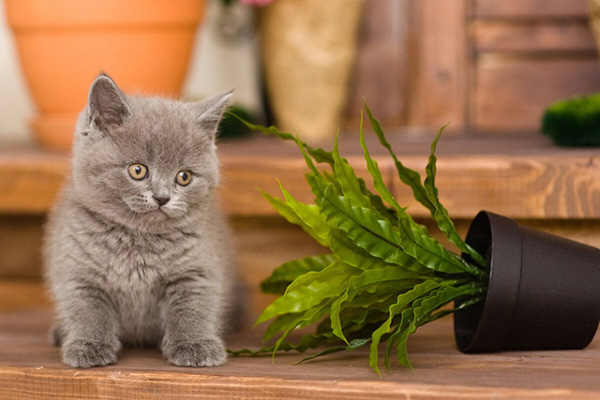
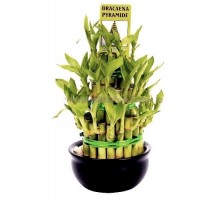
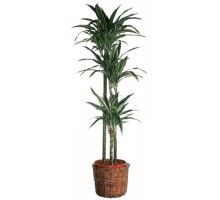
If you are the lucky owner of a large plant - say, you have a beautiful dracaena or monstera, repellent odors can protect the plant from cat curiosity. Special scent repellents can be purchased at pet stores, or you can use improvised means.
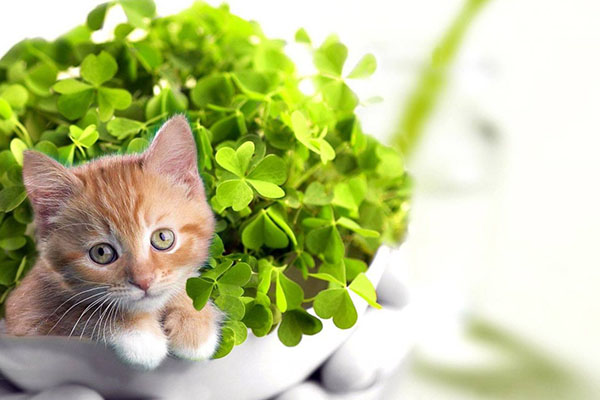
Cats cannot stand the smell of red pepper, citrus fruits or rubbing alcohol. Place pieces of cotton wool soaked in alcohol or citrus essential oil in close proximity to the plant - and the cat will avoid the area of these aromas like the plague.
By the way, you can also use the peel of fresh citrus fruits, although you will have to change it from time to time for fresh ones.
Remember that floor pots or stands with flowerpots must be firmly and securely fastened, otherwise not only the plant is at risk, which can be injured during the fall, but the animal itself can be injured by fragments of the pot.
What plants are dangerous for pets?
It is worth mentioning right away that plants can only be dangerous if the animal eats a lot of certain parts of a particular plant that contain toxins. After all, it is very unlikely that a cat will dig up a hippeastrum bulb and eat it all, isn't it?
But it is still worth being on the safe side.
So, the following are dangerous if ingested:
Spathiphyllum, anthurium, caladium, dieffenbachia, alocasia, epipremnum, scindapsus, philodendron, monstera, azalea, cyperus (the latter seems especially attractive to cats).
The leaves, stems, and roots of these plants contain cyanide compounds that can cause toxicity and poisoning.
The juice of some plants can cause burns and irritation if it gets on the skin. This list includes croton, ficus, and milkweed.
The following are dangerous for rodents: fatsia, haemanthus, clivia, and hedera. Don't let your hamsters chew on these plants!
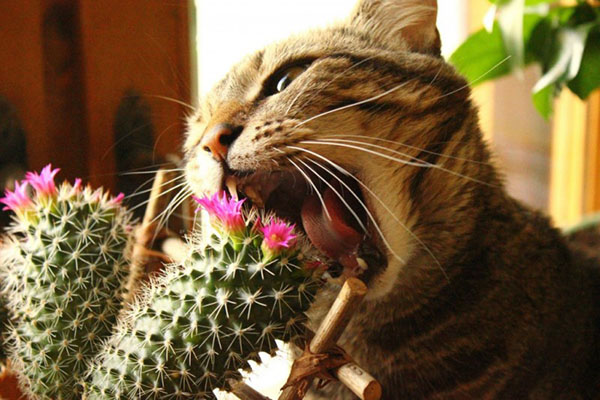
Prickly plants with sharp spines are also dangerous for animals (as well as for small children) - they can injure themselves.
Some indoor plants can be poisonous to cats and dogs:
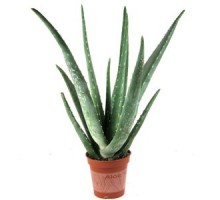
- Aloe vera - this plant can cause vomiting and diarrhea in animals.
- Dieffenbachia - this plant can cause swelling of the tongue and larynx in animals, which can lead todifficulty breathing.
- Ivy (Hedera) - this plant can cause irritation of the skin and mucous membranes in animals.
- Ficus (Ficus) - this plant can cause vomiting and diarrhea in animals.
- Cyclamen (Cyclamen) - this plant can cause vomiting, diarrhea and convulsions in animals.
What to do if pets are poisoned by plants?
Remove plant particles from the animal's fur and mucous membranes, rinse with plenty of water. If you suspect that part of the plant has already gotten inside, rinse the stomach, give an absorbent and contact a veterinarian. It is advisable to have a photo of the plant that served as "lunch" for your pet so that the doctor can prescribe the most effective treatment.
Safe plants for cats
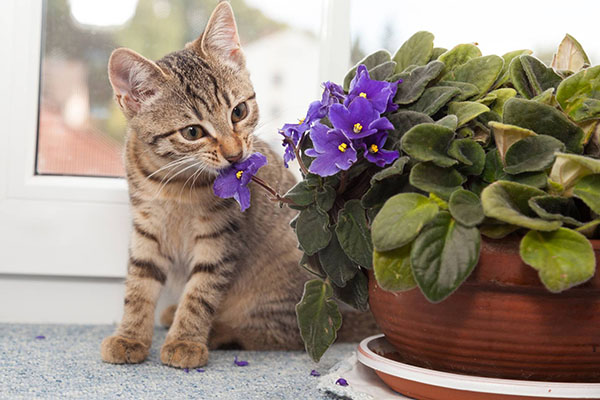
Not all plants are dangerous for pets. orchid, Saintpaulia, chlorophytum, nephrolepis, haworthia, gloxinia, areca and other plants.
Safe indoor plants for cats and dogs:
- Chlorophytum (Chlorophytum comosum) is one of the most popular and safe indoor plants. It not only purifies the air, but is also non-toxic to animals. Cats often like to play with its long leaves, but this will not harm them.
- Areca palm (Dypsis lutescens) is another safe and beautiful plant for a home where animals live.
- Orchids (Orchidaceae) - most types of orchids are safe for cats and dogs. They are not only beautiful, but also non-toxic.
- Balsam (Impatiens walleriana) is a bright and beautiful plant that is safe for animals.
- Violet (Saintpaulia) is another safe and popular indoor plant.
Useful plants for pets
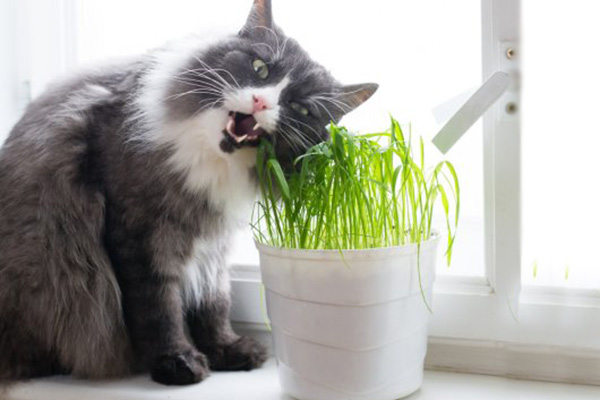
Try to switch your cat's gastronomic interest to special useful herbs that can be successfully grown on the windowsill. The whiskered ones especially like sprouted wheat, oats or barley. These plants should be placed in their permanent habitats and in an easily accessible place.
Cats eat sprouted grains, such as wheat, oats, or barley, for several reasons:
- Gastrocnemius. In the wild, cats often eat grass to clear their stomachs of indigestible food particles, such as fur or bones. Sprouted grains also help them in this process by acting as a natural emetic.
- Source of vitamins and minerals. Sprouted grains are rich in B vitamins, vitamin C, fiber, and other beneficial substances. These substances are important for maintaining the health and immunity of a cat.
- Improved digestion. The fiber contained in sprouted grains helps improve digestion and prevent constipation in cats.
- Treasure. For some cats, sprouted grains may simply be tasty and attractive to look at. They may enjoy chewing and eating these sprouts.
- It is important to note that not all cats are interested in sprouted grains. Some may prefer other types of plants or not eat grass at all. If your cat does not show interest in sprouted grains, this is not a cause for concern.
- If you want to offer your cat sprouted grains, it is important to make sure that they are grown from high-quality seeds that have not been treated with chemicals. It is also necessary to monitor the amount of sprouts eaten to avoid digestive problems in your cat.